
Plants
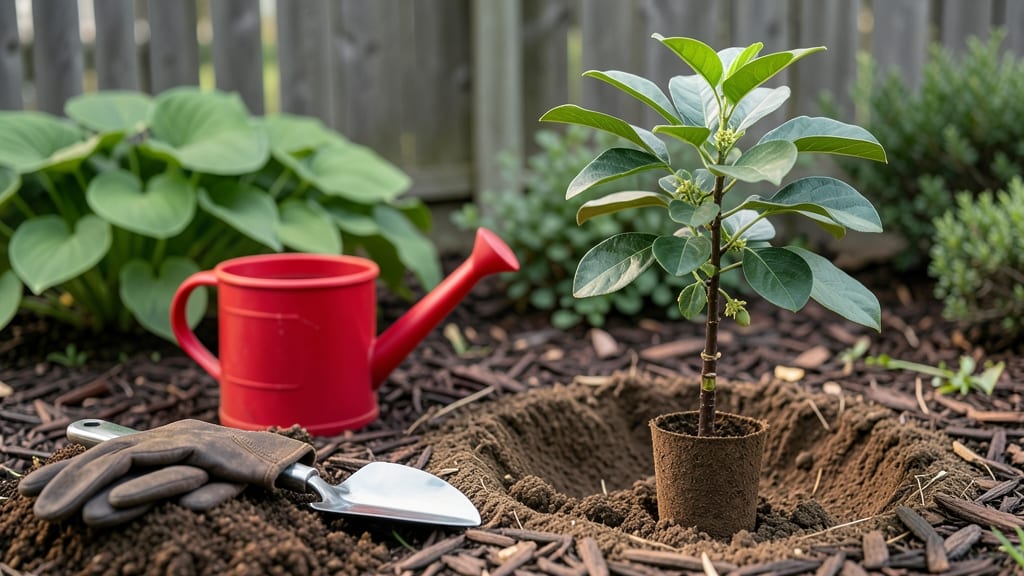
Planting an avocado at the wrong time in the soil could mean the difference between a thriving tree and a sad, stunted seedling.
The key isn't just waiting for spring—it's understanding your variety's chill-hour needs and local frost patterns, especially in USDA Zone 6 where cold snaps can sneak up fast.
Most gardeners assume "spring" means April, but avocados need 2-4 months of cooler temps (depending on the variety) to break dormancy before they'll germinate reliably.
Hass avocados, for example, require 300-400 chill hours, while Fuerte varieties need fewer—planting too early in Zone 6 risks frost damage, while waiting too long may delay fruit production by years.
In my experience, the sweet spot for Zone 6 is late April to early May, after the last frost (typically around April 15), when soil temps hit 60°F+. But here's the catch: container-grown seedlings can be planted 2 weeks earlier since pots warm faster than ground soil.
Ready to avoid the most common mistakes? I'll walk you through exactly how to time your planting—whether you're starting from seed or transplanting a nursery-grown sapling—so your avocado gets off to the right start and doesn't become another "what if?" in your garden.
Avocado chill-hour requirements by variety: when to plant for optimal germination
Planting avocados at the right time depends on your local climate and the chill-hour needs of your chosen variety. Avocados are tropical trees, but most varieties require a cool dormant period to break dormancy and flower properly. Understanding these chill-hour requirements ensures your seedling thrives when transplanted into soil.
Chill hours refer to the number of hours below 45°F (7°C) your avocado tree needs to experience during winter. Without enough chill hours, your tree may fail to flower or produce fruit.
For example, Hass avocados, the most popular variety, need 200–400 chill hours, while Fuerte avocados require 300–500 chill hours.
If you live in a warm climate (USDA Zones 10–11), you can plant avocado seeds year-round, but timing still matters. In cooler climates (USDA Zones 8–9), planting after the last frost—typically late spring (April–May)—gives seedlings enough time to establish roots before winter.
Here’s how to match your avocado variety to your climate zone for the best planting success:
For USDA Zones 10–11, where frost is rare, you can plant avocado seeds year-round, but the best time is during the warmest months (June–August) to avoid heat stress during germination. In cooler zones (8–9), wait until after the last frost—typically April–May—to plant seedlings outdoors.
If you’re growing avocados from seed, start indoors 6–8 months before your ideal outdoor planting date. This gives the seedling enough time to develop a strong root
Step-by-step guide: how to time your avocado seedling planting for best results
Timing your avocado planting isn't just about waiting for spring—it's about matching your seedling's readiness with soil warmth and chill-hour completion. I’ve planted avocados in USDA Zone 6 for years, and the difference between a thriving tree and a struggling one often comes down to these key steps.
First, track your local last frost date (usually April 15 in Zone 6). But don’t rush—wait until soil temperatures consistently stay above 60°F at a 4-inch depth. Use a soil thermometer for accuracy; I’ve seen seedlings fail when planted too early in cool, damp soil.
📋 Step-by-Step Planting Timeline for Avocado Seedlings
- 🌱 Week 1-2: Start seeds indoors (or buy a nursery sapling). Keep soil moist but not soggy.
- 🌡️ Week 6-8: Harden off seedlings by placing them outdoors for 2-4 hours daily, gradually increasing time.
- ⏰ Late April: Monitor soil temps—plant when they hit 60°F+ and last frost has passed.
- 🪴 Week 10: Transplant seedlings into well-draining soil with a mound of soil around the base (avocados hate wet roots!).
- 💧 First Month: Water deeply 2-3 times per week to encourage root growth.
Pro tip: If you’re growing from seed, your seedling may need 12-18 months indoors before transplanting. I’ve seen homegrown avocados bloom in 3-5 years when planted at the right time—patience pays off!
For container growers, you can plant 2 weeks earlier than ground soil because pots warm faster. Just ensure your container has drainage holes and use a lightweight potting mix to prevent root rot.
After planting, mulch around the base with 2-3 inches of organic mulch (like wood chips) to retain moisture and regulate soil temperature. Avoid piling mulch against the trunk—keep it 3 inches away to prevent rot.
Finally, watch for new leaf growth in the weeks after transplanting. If leaves yellow or wilt, it’s often a sign of overwatering or transplant shock. Adjust your watering and give it time—your avocado’s roots will establish within 4-6 weeks if conditions are right.