
Plants
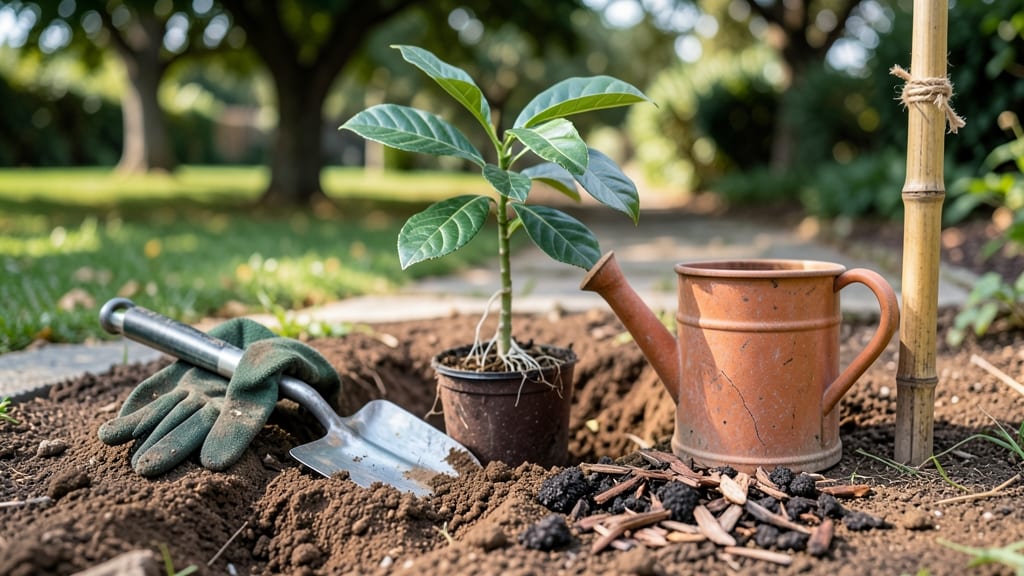
Planting your 🥑 avocado tree in the ground at the wrong time could mean watching it struggle—or worse, die—before it ever bears fruit.
The key isn’t just picking a season; it’s waiting for soil warmth, frost-free conditions, and the right USDA zone cues to ensure your young tree thrives from day one.
If you’re in zones 6a-11, timing matters even more—avocados hate cold snaps, and planting too early can shock delicate roots. I’ve learned the hard way that rushing the process leads to stunted growth, so let’s break down the exact window you should aim for in your area.
You’ll discover how to check soil temperature, when to transplant container-grown saplings, and how to adjust for late frosts. These small details make the difference between a healthy, productive tree and a sad, wilted disappointment.
Ready to get it right? I’ll walk you through the step-by-step timing—plus common mistakes to avoid—so your avocado tree grows strong and starts bearing fruit in just a few years.
Best planting months for avocado trees by USDA hardiness zone
Avocado trees (Persea americana) love warmth and hate frost—so timing your planting is critical for survival. In USDA zones 9-11, you can plant year-round, but spring and fall offer the best balance of soil warmth and rainfall.
For zones 7-8, wait until after the last frost when soil reaches 70°F+.
Your local climate dictates everything. In Southern California or Florida, you might plant as early as February, while Texas or Arizona gardeners can start in March. Northern growers in zone 7 should aim for May or June to avoid early fall frosts.
Soil temperature is your #1 priority. Use a soil thermometer to confirm warmth—avocado roots need 60°F+ to thrive. In cooler zones, consider container growing for flexibility or use mulch blankets to insulate roots.
Here’s a quick reference for ideal planting windows by zone:
| USDA Zone | Best Planting Months | Soil Temp Requirement | Key Considerations |
|---|---|---|---|
| 9-11 | Year-round (spring/fall ideal) | 60°F+ (spring) / 70°F+ (summer) | Avoid summer heatwaves; mulch heavily |
| 8 | April–May (after last frost) | 70°F+ (minimum) | Use frost cloths for young trees; plant near south-facing walls |
| 7 | May–June (or container-only) | 75°F+ (with root insulation) | Grow in large pots; move indoors in winter |
| 6 or colder | Indoor/container only (year-round) | N/A (greenhouse required) | Use grow lights; limit to dwarf varieties |
For zone 9-11 gardeners, spring planting (March–April) gives roots time to establish before summer’s peak heat. Fall planting (September–October) works too, but avoid planting 6 weeks before first frost—even in warm zones.
In zone 8, your last frost date is critical. Check your local National Weather Service or Almanac for averages. For example, Los Angeles (zone 10) has a last frost around January 15, while San Antonio (zone 8b) averages March 1.
If you’re in a transition zone (e.g., 7b-8a), consider microclimates. South-facing slopes warm faster, while low-lying areas stay cooler. Test soil temps for 3 consecutive days above 70°F before planting.
Pro tip: Container-grown avocados adapt better to cooler climates. Move pots indoors before temps drop below 50°F, and use a grow light to supplement winter sunlight. This extends your growing season by 2-3 months.
Remember: Rushing planting leads to root shock. Wait for consistent warmth—your avocado tree will thank you with healthier growth and earlier fruit.
How to check soil temperature and frost risk before planting
Before you dig that hole for your avocado tree, checking soil temperature and frost risk is non-negotiable. Cold soil shocks roots, while unexpected frosts can kill young saplings overnight. I’ve seen thriving avocado seedlings wilt within days after planting too early—don’t let that happen to you.
Start by using a soil thermometer (available for $10–$15) to measure depth at 4–6 inches, where roots will establish. Aim for consistent readings above 70°F for at least 3–5 days before planting. In zone 7–8, soil can stay cool well into May, so patience pays off.
🌡️ Pro Tip: Test soil temps in the late afternoon when it’s warmest. If your thermometer reads below 65°F, wait another week. Avocado roots won’t grow in cold soil, and forcing it leads to root rot.
⚠️ Frost Risk Warning
Never plant if frost is forecasted within 2–4 weeks, even in warm zones. Use the National Weather Service’s frost prediction tool or local Almanac to track trends. A single 32°F night can kill young avocado trees.
Zone 8–9: Watch for light frosts (28–32°F)—these can still damage tender leaves. Zone 7 or cooler: Assume frost is a risk until soil stays warm year-round.
For container-grown avocados, timing shifts slightly. Since pots warm faster, you can plant 2–4 weeks earlier than in-ground trees. However, move containers indoors or under frost cloth if night temps dip below 50°F.
I’ve kept potted avocados alive through zone 6 winters with a grow light and heat mat.
Urban gardeners often face microclimates—your yard might be warmer than official forecasts. Test spots near south-facing walls or paved areas, which retain heat. These areas can be 5–10°F warmer than open ground, giving you a 2-week head start on planting.
If you’re unsure about frost dates, use frost-free calculators like the USDA Plant Hardiness Zone Map or Old Farmer’s Almanac. Input your ZIP code, then subtract 2 weeks from the last frost date for a safe planting window.
For example, if frost ends April 15, plant by April 1.
Finally, water deeply 2–3 days before planting to raise soil temps naturally. Moist soil warms faster than dry soil, giving your avocado’s roots a warmer welcome. Pair this with mulch (straw or wood chips) to lock in heat—this simple trick can add 5–8°F to soil temps.