
Plants
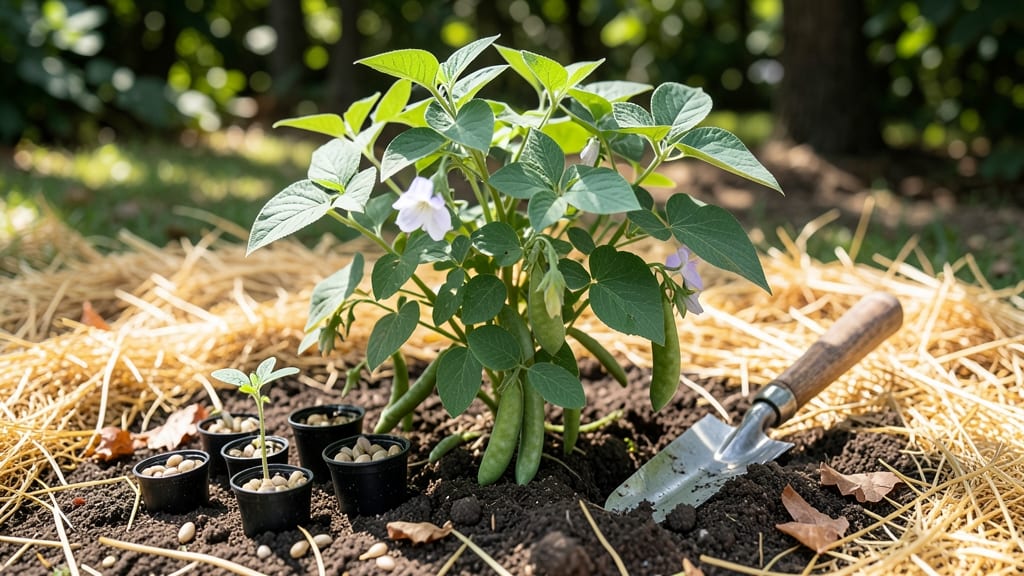
Planting beans in Virginia at the wrong time means watching your hard work wilt before it even begins—frost can turn tender seedlings into sad, mushy memories.
The key to a thriving 🌱 bean harvest lies in knowing exactly when soil warms up and frost risks fade, especially in zones 6a-8a where microclimates vary wildly from Piedmont to Tidewater.
Most Virginia gardeners aim for April 15 to June 1, but that’s just the starting line. Soil temperature matters more than dates—beans need 60°F+ to germinate, and cooler zones like the mountains may need to wait until early May.
Missing this window means slower growth, fewer pods, and a season of "what ifs."
Here’s the game-changer: I’ll break down how to time your planting for maximum yields, whether you’re direct-sowing seeds or transplanting starters.
You’ll learn the exact signs to watch for (like soil warmth and last-frost predictions) and how to stretch your harvest with succession planting—so you’re picking fresh pods from July through September.
No more guessing games. With these Virginia-specific tips, you’ll turn your garden into a bean-producing powerhouse, from soil prep to harvest timing. Let’s get those seeds in the ground the right way.
Virginia’s frost-free dates & soil temperature rules for planting beans
Virginia’s USDA zones 5b-8a create a diverse planting landscape, but one rule unites all regions: wait until soil warms to 60°F+ and frost risk has passed. In Zone 5b (mountains), this often means late May, while Tidewater (Zone 8a) gardeners can start as early as mid-March.
Understanding these triggers prevents frost damage and ensures vigorous growth.
Beans are warm-season crops that bolt or rot in cold soil. The last average frost dates across Virginia range from March 15 (southeast) to April 15 (northwest). Use the Virginia Cooperative Extension’s frost maps to pinpoint your local window—planting too soon invites blackened leaves and stunted plants.
Soil temperature is your true planting compass. A soil thermometer (just $10 at garden centers) reveals when depths reach 60°F at 2 inches down. In Piedmont Virginia (Zone 7a), this typically aligns with mid-April, while Shenandoah Valley (Zone 6b) may wait until early May.
🌱Pro Tip: Test soil warmth by pressing your hand into the ground—if it feels lukewarm to warm (like a bath), it’s ready. Cold soil delays germination by weeks, leaving your plants vulnerable to pests and disease.
| Region | USDA Zone | Avg Last Frost | Ideal Planting Window | Soil Temp Threshold |
|---|---|---|---|---|
| Tidewater (Norfolk/Virginia Beach) | 8a | March 15 | Mid-March to April 15 | 60°F+ |
| Richmond/Piedmont | 7a-7b | March 30 - April 10 | Mid-April to May 1 | 60°F+ |
| Roanoke/Valley | 6b-7a | April 15 | Late April to May 15 | 60°F+ |
| Blacksburg/Mountains | 5b-6a | April 30 | Late May to June 1 | 60°F+ |
For mountain regions (Zone 5b), consider black beans or cowpeas, which tolerate slightly cooler soils. In coastal areas (Zone 8a), you can even plant a fall crop in July for harvests before the first frost (October 15-November 15).
Use row covers to extend seasons in transitional zones.
🌡️Warning: Don’t rely on air temperature alone—soil stays cold longer, especially in shady or clay-heavy spots. Amend soil with compost to warm it faster. Mulch with straw after planting to maintain soil warmth and moisture.
Succession planting is key for continuous harvests. In Zone 7a, sow seeds every 2 weeks from April to June. For pole beans, which take longer to mature, start your last batch by June 15 to avoid frost before harvest.
💡Local Resource: Check the Virginia Tech Planting Calendar for real-time updates on frost predictions and soil conditions. Their free alerts notify you when it’s safe to plant in your specific county.
Remember, beans hate cold feet. If your soil isn’t warm enough, your seeds will rot in the ground instead of sprouting. Patience now means bountiful pods later—worth the wait!
Direct-sow vs. starter plants: best methods for Virginia’s climate
Choosing between direct-sowing seeds and transplanting starter plants depends on your Virginia region and timeline. Most gardeners here swear by direct-sowing for beans—it’s simpler, cheaper, and hardier. Seedlings struggle to adapt to Virginia’s variable spring temperatures, often suffering transplant shock.
But starter plants can give you a 2-week head start in cooler zones like Zone 5b.
For direct-sowing, wait until soil warms to 60°F+ (use a soil thermometer!) and all frost risk has passed. In Tidewater Virginia, this is typically mid-April; in the Piedmont, aim for late April to early May.
Starter plants, if used, should go in 2-3 weeks before your last frost date—but only if nighttime temps stay above 50°F.
| Method | Pros | Cons | Best For |
|---|---|---|---|
| Direct-Sow | Hardier plants, cheaper, no transplant shock | Slower germination in cool soil | Zones 6a-8a, warm soil |
| Starter Plants | Faster harvest, earlier planting | Expensive, transplant shock risk | Zone 5b, cool springs |
Succession planting is key for continuous harvests in Virginia’s short season. Sow bush beans every 2 weeks from mid-April to early June—this ensures fresh pods from July through September. For pole beans, stagger plantings every 3 weeks to extend your harvest window. In Zone 5b, opt for heat-tolerant varieties like ‘Blue Lake’ or ‘Kentucky Wonder’ to handle summer’s heat.
If you’re in Tidewater, you can even try a fall planting! Sow seeds in early August for a harvest before the first frost (aim for October).
Just ensure soil stays warm—cover seeds with black plastic mulch for a few days to speed up germination. This trick works best in Zones 7b-8a.
Pro tip: Test your soil before planting—beans crave well-draining, slightly acidic soil (pH 6.0-7.0). Mix in compost or aged manure 2 weeks before sowing to boost nutrients.
Avoid fresh manure, which can burn seedlings. For extra insurance, add a mulch layer (straw or grass clippings) to retain moisture and suppress weeds.
Remember, Virginia’s climate is unpredictable. Keep an eye on weekly frost forecasts from the Virginia Cooperative Extension and adjust your planting dates accordingly. With the right method, your beans will thrive—no matter where you garden in the state! 🌿