
Plants
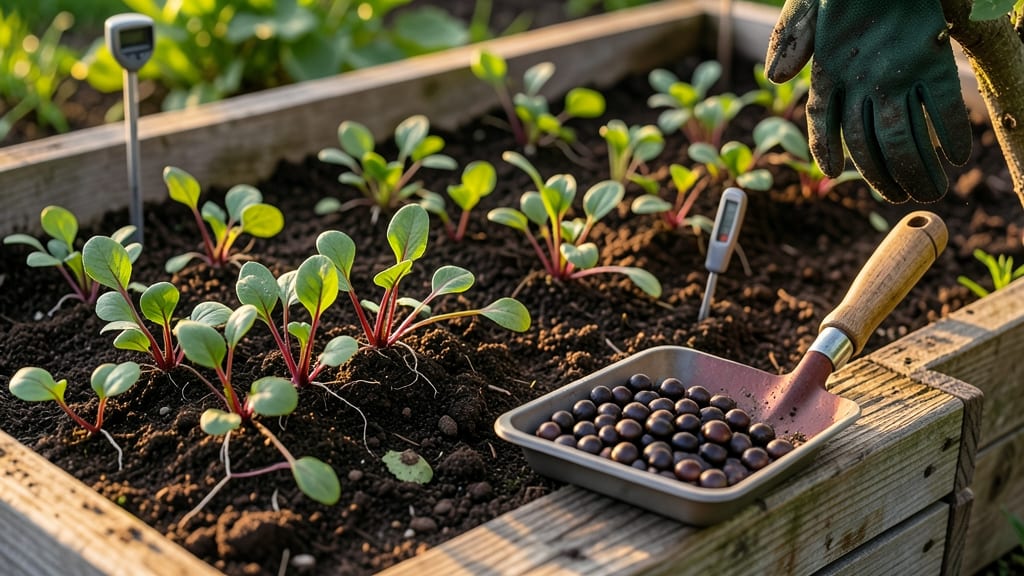
Timing your beet planting in Arkansas can make the difference between tender, sweet 🍠 roots and bitter, woody messes—so getting it right is everything.
Most gardeners in zones 7a-8b swear by early spring plantings (February-March) when soil warms to 50°F, but summer heat can turn beets into bolted disappointments if you're not careful.
In this guide, I’ll break down the exact windows for both spring and fall plantings—plus how to pick heat-tolerant varieties that thrive in Arkansas’s climate.
Skip the guesswork and learn the 3-step strategy to avoid bolting, maximize yield, and enjoy fresh beets from May through November.
Arkansas spring planting deadlines for beets (avoid bolting before harvest)
Arkansas’s mild winters and humid summers create a unique challenge for beet growers. Plant too early, and your beets may bolt prematurely from cool weather; too late, and summer heat turns them woody and tough.
The key is timing your plantings to align with soil temperatures and last frost dates—typically mid-March in most of Arkansas.
For northern Arkansas (USDA zones 6b-7a), start sowing seeds indoors 6-8 weeks before your last frost date (around mid-February). Transplant seedlings outdoors 2-3 weeks before the last frost, usually by early April.
In southern Arkansas (zone 8a), you can plant directly outdoors as early as late January for a head start.
Beets thrive when soil temperatures reach 45-55°F. Use a soil thermometer to confirm—cold soil slows germination and encourages bolting. If temperatures drop below 40°F, cover seedlings with frost cloth to protect them until the soil warms.
Here’s the critical window for spring plantings in Arkansas:
- Direct sow outdoors: Early March to mid-April
- Successive plantings: Every 2-3 weeks until early June (for fall harvest)
- Avoid planting after: June 1 (summer heat risks bolting)
Choose heat-tolerant varieties like 'Detroit Dark Red' or 'Chioggia' for Arkansas’s climate. These varieties handle warmer soil temps better than standard types. For northern Arkansas, opt for 'Golden' or 'Babybeat' for earlier harvests.
Mulch heavily with straw or grass clippings to retain moisture and regulate soil temperature. This is especially critical in southern Arkansas, where summer heat arrives early. Keep mulch 2-3 inches thick but avoid direct contact with stems to prevent rot.
Monitor your beets closely for signs of bolting—long, thin leaves and a tall flower stalk indicate it’s too late. If this happens, harvest the leafy greens (they’re edible!) and remove the roots before they become woody.
For a second harvest, try fall planting—this is where Arkansas gardeners truly shine!
🌱
Fall planting strategy for Arkansas beets (extend harvest into winter)
Fall planting gives Arkansas gardeners a second chance at sweet beets when summer heat fades. Unlike spring, fall plantings focus on timing seeds 6-8 weeks before your first frost (typically late September to early October in most of Arkansas).
This ensures beets mature before winter sets in, delivering harvests from October through November.
For northern Arkansas (zones 6b-7a), aim to sow seeds by mid-September for a late fall harvest. In southern Arkansas (zone 8a), you can push it slightly later—even early October—thanks to milder winters. Use a soil thermometer to confirm temps stay above 45°F for consistent germination.
Here’s my step-by-step fall planting timeline for Arkansas:
Choose cold-hardy varieties like 'Detroit Dark Red' or 'Ruby Queen', which tolerate light frosts. Avoid 'Babybeat' for fall—its small size makes it less winter-resistant. For southern Arkansas, 'Chioggia' (striped beets) thrive even into December with proper mulching.
Water consistently in fall—1 inch per week—but reduce frequency as temps drop. Let the soil dry slightly between waterings to prevent rot.
Harvest beets before hard frosts (28°F) by digging up roots and storing them in sand or sawdust in a cool, dark place for up to 3 months.
🌿