
Plants
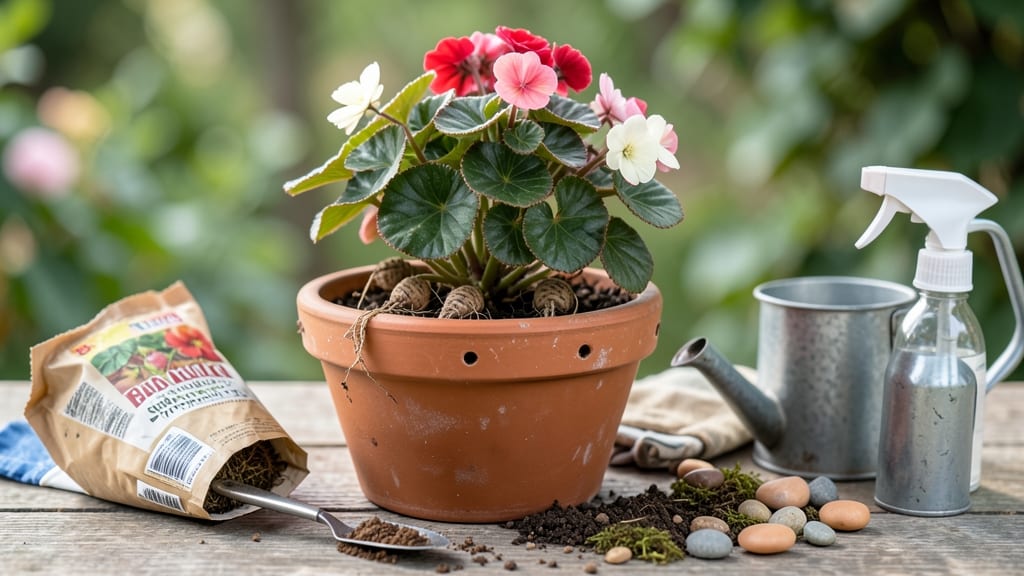
Planting begonias in pots at the right time can make all the difference between vibrant 🌸 blooms and struggling plants. Since these tender beauties hate cold soil, waiting until after your last frost date—typically around mid-April in Zone 6a—gives them the warm start they need to thrive.
But here's the catch: even if your local forecast says it's safe, soil temperature matters more than air temperature. Begonias need soil that's warmed up to at least 60°F before you plant them, which often means waiting a week or two after the official frost date.
If you're eager to get growing, you can give your begonias a head start indoors 4-6 weeks before your last frost. This works especially well for cooler climates where spring arrives slowly. Just be prepared to transition them carefully to outdoor pots once nighttime temperatures stay consistently above 55°F.
Let me show you exactly how to time your planting for maximum success—no guesswork, just beautiful results. We'll cover everything from container size to microclimate adjustments so your begonias get off to the best possible start.
Ideal Begonia planting time based on soil temperature & frost risk
Begonias thrive when planted at the right time, especially in pots where temperature swings can stress roots. The key is waiting until soil temperatures consistently reach 60°F (15°C)—this prevents root rot and shock.
For most regions, this aligns with 2-4 weeks after your last frost date, typically April to early June in the U.S. However, USDA zones 5-7 need extra caution due to late frosts.
Cold-sensitive begonias (like tuberous types) can’t handle frost at all—even a light freeze will kill them. In zones 8-10, you can plant as early as March if nights stay above 50°F (10°C). Always check your local frost-free date using the USDA Plant Hardiness Zone Map for precision.
Here’s the golden rule: Begonias in pots need warm soil + stable daytime temps (ideally 65-75°F). If your mornings still dip below 55°F (13°C), delay planting. Use a soil thermometer to confirm—it’s the most accurate way to avoid mistakes.
🌱
| USDA Zone | Last Frost Date | Ideal Planting Window | Soil Temp Requirement | Notes |
|---|---|---|---|---|
| Zones 5-6 | Mid-April to early May | Late May to early June | 60°F+ (15°C+) | Start indoors 6-8 weeks before last frost |
| Zones 7-8 | Early April | April to early May | 55°F+ (13°C+) | Can plant outdoors after frost risk passes |
| Zones 9-10 | None (tropical) | March to April | 65°F+ (18°C+) | Plant when nights stay above 50°F (10°C) |
If you’re in a warmer microclimate (like a sunny patio or greenhouse), you can plant 2-3 weeks earlier than the general zone guidelines. Conversely, shady or windy spots may need a 1-2 week delay since cold air lingers longer.
Always observe your begonias’ foliage color—yellowing leaves signal stress from temperature swings.
For tuberous begonias, wait until nighttime temps stay above 55°F (13°C) before moving pots outdoors. These varieties are especially sensitive to root rot in cold, soggy soil. If your area has unpredictable spring weather, consider using heat mats or black plastic mulch to warm soil faster.
Pro tip: Test your soil’s readiness by placing a thermometer 2 inches deep for 3 days. If temps dip below 60°F overnight, wait another week. Potted begonias can’t regulate temperature like in-ground plants, so patience pays off.
🌿
Remember, begonias in pots dry out faster than in-ground plants, so water deeply after transplanting to help roots establish. Use a well-draining potting mix (like a 50/50 blend of peat moss and perlite) to prevent waterlogged roots—a common issue when planting too early in cool soil.
For perennial begonias (like Begonia rex), you can plant as early as March in zones 9-10, but protect them with frost cloth if nights drop below 50°F (10°C). In colder zones, treat them as annuals and replant each spring.
🪴
Ideal Begonia planting time based on soil temperature & frost risk
Begonias are famously finicky about cold, so timing your potted planting right is critical. The soil temperature is your best guide—not just air temps. Aim to plant when soil reaches at least 60°F, which often means waiting 1-2 weeks after your last frost date.
For example, in Zone 6a, where last frost typically hits April 15, I recommend waiting until early May to ensure warm soil.
If you're in warmer zones (7-10), you can plant as early as March, but always check soil temps with a soil thermometer. Cold soil causes root rot and stunted growth, even if the air feels warm.
Begonias in pots are especially vulnerable because containers heat and cool faster than in-ground beds.
Here’s how to match your planting time to your USDA zone and soil conditions:
| Zone | Soil Temp Threshold | Ideal Planting Window | Notes |
|---|---|---|---|
| 5-6 | 60°F+ | Mid-May to early June | Start indoors 6-8 weeks early; use cold frames for outdoor pots. |
| 7-8 | 60°F+ | Late April to May | Monitor nighttime temps; protect pots with frost cloth if needed. |
| 9-10 | 55°F+ | March to April | Can plant earlier, but avoid extreme heat; use shade cloth. |
For container gardening, pot size matters too. Smaller pots (6-inch diameter) warm up faster, so you can plant slightly earlier than in larger containers. Just ensure all pots have drainage holes to prevent soggy roots, which begonias despise.
If you’re unsure about your soil temp, here’s a quick test: Press your finger into the soil. If it feels cool to the touch (like a chilled drink), wait a few more days. Begonias thrive when the soil feels warm but not hot—think "bathwater" temperature.
Pro tip: Use black pots to absorb heat faster, or place pots on dark mulch to warm the soil quicker. This trick can shave off a week or more of waiting time in cooler climates.
Finally, remember that begonias are tender perennials in most zones. If you’re growing tuberous begonias, you’ll need to dig them up before frost hits in fall. For fibrous-rooted types, overwintering indoors in pots is easier—just reduce watering and keep them in bright, cool light.