
Plants
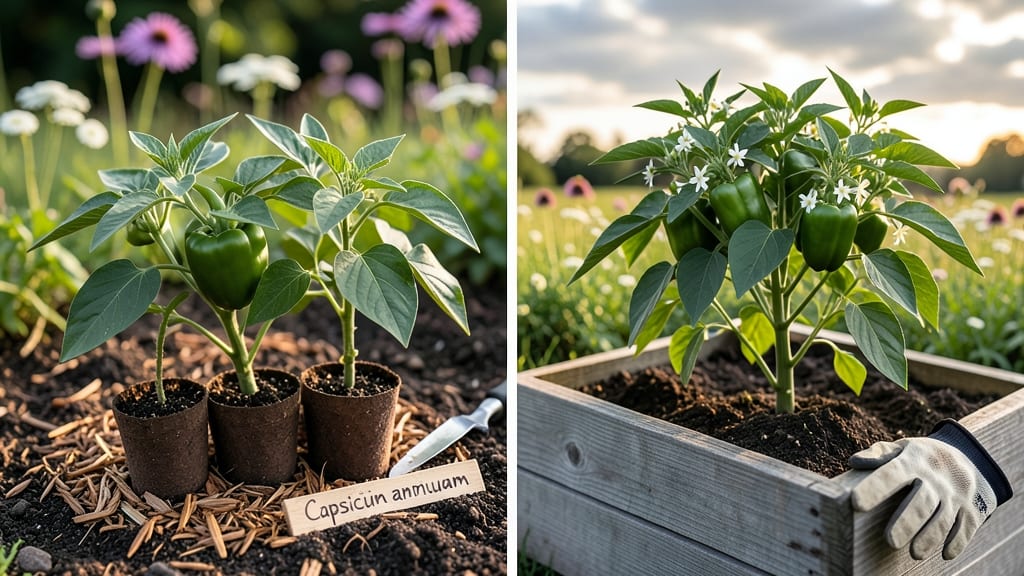
Planting bell peppers 🌶️ in Indiana at the wrong time means frost-killed seedlings or a meager harvest—neither of which you want after all that planning.
The key to success lies in knowing exactly when to start seeds indoors and when to transplant them outdoors, based on your specific USDA zone and last-frost dates.
For most of Indiana’s 5b-6b zones, you’ll want to begin seeds indoors 8-10 weeks before your average last frost date (usually mid-April). This gives your peppers a head start, so they’re ready to hit the garden by early May when soil temperatures finally warm up.
But here’s where it gets tricky: urban areas might experience frost a week later than rural spots, and microclimates can shift your ideal planting window.
I’ll break down the exact steps to time your bell peppers perfectly—whether you’re starting from seed or buying transplants—so you can maximize your harvest from July through October.
Ready to avoid those common mistakes? Let’s dive into the best planting schedule for your Indiana garden, including soil prep tips and how to handle unexpected late frosts. Your future pepper harvest depends on it!
Indiana last-frost dates by Zone: when to start bell peppers indoors and outdoors
Indiana’s USDA Zones 5b-6b create a unique challenge for bell pepper growers—cool springs and variable frost dates mean you can’t just follow a one-size-fits-all schedule.
The average last frost date ranges from April 15 in southern Indiana to May 1 in northern zones, but microclimates (like urban heat islands) can shift this by a week or more.
For most gardeners, the ideal transplant window falls between May 10-20, when soil temperatures consistently stay above 60°F.
But if you’re starting seeds indoors, you’ll need to begin 8-10 weeks before your last frost—that’s typically mid-February to early March for northern Indiana and late February for southern areas.
Here’s the critical detail: Bell peppers hate cold soil. If you transplant too early, their roots will struggle to absorb nutrients, stunting growth. Use a soil thermometer to confirm temperatures—60°F+ is non-negotiable for healthy starts. In cooler zones, consider black plastic mulch to warm the soil faster.
Now, let’s break down your exact timeline based on Indiana’s zones and whether you’re starting seeds indoors or direct-sowing. This summary table will help you avoid common mistakes like frost-killed seedlings or missed harvest windows.
If you’re direct-sowing (skipping the indoor start), only attempt it in Zone 6b after April 15, and only if your soil is already 60°F+. Direct-sowing in cooler zones is risky—seedlings may rot before emerging.
For Zone 5b, stick to indoor starts or buy transplants from a nursery hardened off for Indiana’s climate.
Pro tip: Urban gardeners often experience later frosts due to concrete absorbing heat. Check your local Almanac frost calendar or use a frost-sensitive plant (like basil) as an early warning system.
If frost threatens after transplanting, cover plants with frost cloth or a row cover—bell peppers can tolerate 32°F for short periods if dry.
One more critical factor: Soil temperature matters more than air temperature. A soil thermometer is your best friend here—bell pepper seeds won’t germinate below 60°F, and roots won’t develop properly below 65°F.
If your soil is still chilly in May, delay transplanting and focus on hardening off your seedlings indoors.
For example, in Zone 6a, I’ve had success transplanting mid-May even if the table says “May 1-10.” Why? Because my garden sits in a low-lying area that stays cooler. Always adjust by 1-2 weeks based on your microclimate. Your neighbors’ frost dates might not match yours!
Finally, remember that bell peppers need warmth to thrive. If you’re in Zone 5b and transplant too early, your plants will bolting (flowering prematurely) or produce small, bitter peppers.
Wait for consistent 70°F+ days before expecting a full harvest. Patience here pays off with larger, sweeter peppers from July through October.
Best bell pepper varieties for Indiana’s climate and their planting windows
Not all bell pepper varieties thrive equally in Indiana’s short, cool growing season. Choosing the right cold-tolerant types and planting them at the optimal time can mean the difference between a bountiful harvest and a disappointing one.
Indiana’s USDA Zones 5b-6b demand varieties that can handle cooler nights while still producing sweet, flavorful peppers before the first frost in October.
For northern Indiana (Zone 5b), focus on early-maturing varieties that can produce peppers in just 60-70 days. In southern Indiana (Zone 6b), you have more flexibility to grow mid-to-late season varieties that take 75-90 days to harvest.
The key is matching the variety to your planting window and last-frost date—plant too late, and your peppers won’t ripen before frost.
Here’s a breakdown of the top-performing bell pepper varieties for Indiana, including their days to maturity, color options, and ideal planting windows. This comparison table will help you pick the best fit for your garden’s timeline and your taste preferences.
If you’re in Zone 5b, prioritize 'Early California Wonder' or 'King of the North'—these varieties are bred to handle Indiana’s shorter growing season and can produce peppers before the first frost in mid-October.
For Zone 6b, you have more options, including 'Jupiter' or 'Gypsy', which offer larger peppers and more color choices.
Pro tip: Succession planting can extend your harvest. If you plant '