
Plants
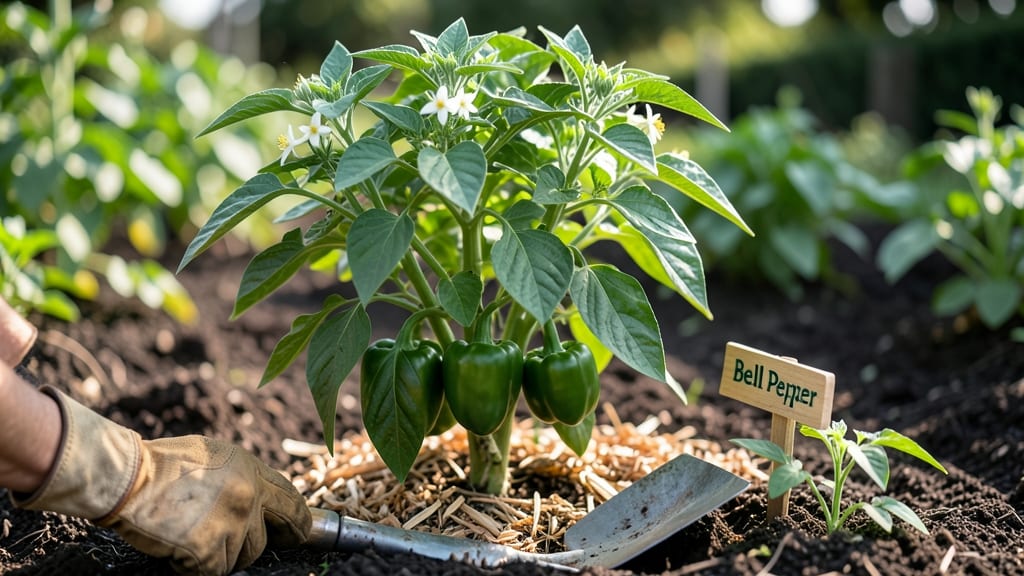
Timing your bell pepper 🌶️ planting in Michigan isn't just about waiting for spring—it's about outsmarting frost and heat swings that can turn your garden dreams into a guessing game.
If you plant too early, a late frost will wipe out your seedlings; too late, and you’ll miss the sweet spot for a full harvest before fall. The right window means the difference between a thriving garden and a sad, shriveled plant.
Most Michigan gardeners know the general rule: wait until after the last frost, but that’s easier said than done when frost dates vary wildly from 5b to 6b zones. I’ve learned the hard way that even a few degrees can mean the difference between success and disappointment.
What you really need is a strategy that accounts for soil warmth, microclimates, and those sneaky late frosts near the Great Lakes.
Here’s the game-changer: start seeds indoors 8-10 weeks before your last frost date, then transplant carefully once soil hits 60°F.
But if you’re short on time, you can still get peppers in the ground with the right heat-zone hacks—like black plastic mulch or row covers—to give your plants a fighting chance.
I’ll walk you through the exact steps, so you can avoid the most common mistakes and set your garden up for a harvest from July to October.
Ready to stop second-guessing and start planting with confidence? Let’s break down the best windows, tools, and tricks to make sure your bell peppers thrive—no matter what Michigan throws at you.
Michigan’s bell pepper planting zones: last frost dates by region
Michigan’s USDA zones 4-6 create a puzzle for bell pepper growers—late frosts can wipe out tender seedlings in a single night. But knowing your specific last frost dates turns this challenge into a strategy.
Southern Michigan (like Detroit) averages mid-April last frosts, while northern areas (Upper Peninsula) may not see their final freeze until early May. Even within cities, microclimates matter: urban heat islands can push frost dates back by 3-5 days compared to rural areas.
The Great Lakes effect adds another layer—cooler lake breezes delay soil warming in coastal regions. For example, Traverse City’s last frost date often lags 7-10 days behind Lansing.
Always check local frost calculators (like the Michigan State University Extension’s tool) for precise timing, as variations of ±10 days are common year-to-year.
Bell peppers cannot tolerate frost—even 32°F temperatures will kill seedlings. This means your transplant window opens only after soil temperatures hit 60°F+ (use a soil thermometer to confirm). Direct sowing is riskier in Michigan; most gardeners opt for seedling transplants started 8-10 weeks before their region’s last frost date.
Pro Tip: Add 2-4 weeks to your frost date if you’re using row covers or cold frames—these can push your planting window earlier. For example, a gardener in USDA Zone 5b (like Grand Rapids) might transplant in late April with protection, while waiting until mid-May without it.
| Region | USDA Zone | Avg. Last Frost | Safe Transplant Window | Soil Temp. Goal |
|---|---|---|---|---|
| Southern MI (Detroit, Ann Arbor) | 6a-6b | Mid-April | Late April - Early May | 60°F+ |
| Central MI (Lansing, Kalamazoo) | 5b-6a | Early May | Mid-May | 60°F+ |
| Northern MI (Traverse City, UP) | 4b-5a | Early-Mid May | Late May - Early June | 60°F+ |
| Urban Heat Islands (Detroit, Grand Rapids) | 6a-6b | Late April (3-5 days earlier) | Early May | 60°F+ |
If you’re direct sowing (not recommended for Michigan’s climate), wait until after Memorial Day in most zones—this gives peppers a 120-day growing season before first frost. However, seedlings have a head start and can produce 2-3 weeks earlier when transplanted at the right time.
For longer varieties (like ‘Carmen’ or ‘Jupiter’), prioritize early planting in Zone 6a areas.
For container gardening, black plastic pots absorb heat faster than soil, so you can plant 1-2 weeks earlier than in-ground. Just ensure containers have drainage holes and use lightweight potting mix to prevent overheating.
My 5-gallon fabric pots in Detroit hit 60°F soil temps by mid-April, while in-ground soil lagged until early May.
Track your local frost history for 3-5 years to spot patterns. For example, 2018’s late frost in Zone 6b delayed planting until June 1, while 2020’s early spring allowed April 15 transplants. Use MSU’s Frost/Freeze Tool (msu.edu) to input your ZIP code for hyper-local data.
Remember: Bell peppers need warmth—they won’t germinate below 55°F and thrive best at 75-85°F. If your June temperatures dip below 65°F at night, use row covers or move pots to a sunny porch to protect them. Even a single cold snap can stunt growth or cause blossom drop.
🌱
Heat-Zone hacks to extend Michigan’s growing season for bell peppers
Michigan’s cool nights and late frosts can stall bell pepper growth, but smart heat-zone strategies let you push your harvest window. I’ve tested these methods in my own garden—some save peppers from 50°F dips, while others boost soil temps by 10°F+.
Let’s break down what works best for your region.
A black plastic mulch is my top tool—it warms soil by trapping sunlight and suppresses weeds. Lay it down 2-3 weeks before planting to give the ground a head start.
Pair it with row covers (floating or hoop-style) for extra frost protection, especially in USDA Zone 5b areas like northern Michigan.
🌱
Pros:
- Extends season by 4-6 weeks
- Protects from 28°F+ frosts
- Reusable for years
Pros:
- Boosts soil temp by 10°F+
- Suppresses weeds
- Low-cost ($10/roll)
Pros:
- Lightweight & portable
- Allows 60% sunlight through
- Fits over hoops or stakes
Cons:
- Can overheat plants
- Requires ventilation
- Higher upfront cost
Cons:
- Weeds may grow through
- Needs staking for wind
- Degrades in 1-2 seasons
Cons:
- Blocks all light at night
- Can trap too much heat
- Not biodegradable
For urban gardeners with limited space, companion planting is a game-changer. Pair bell peppers with basil or marigolds—their strong scents deter pests, while their dense foliage creates a microclimate that retains warmth. I’ve seen peppers thrive 2 weeks earlier in these setups compared to isolated plants.
Don’t overlook container gardening—black pots absorb heat better than terra cotta and let you move plants to sunniest spots or under eaves when temps drop. Just ensure pots have drainage holes to prevent root rot from Michigan’s cool, damp springs.
🌿
Pro tip: Use a soil thermometer to monitor temps—bell peppers need 60°F+ soil to germinate. If your ground runs cold, try straw bales as temporary planters; they warm up faster than native soil and insulate roots.