
Plants
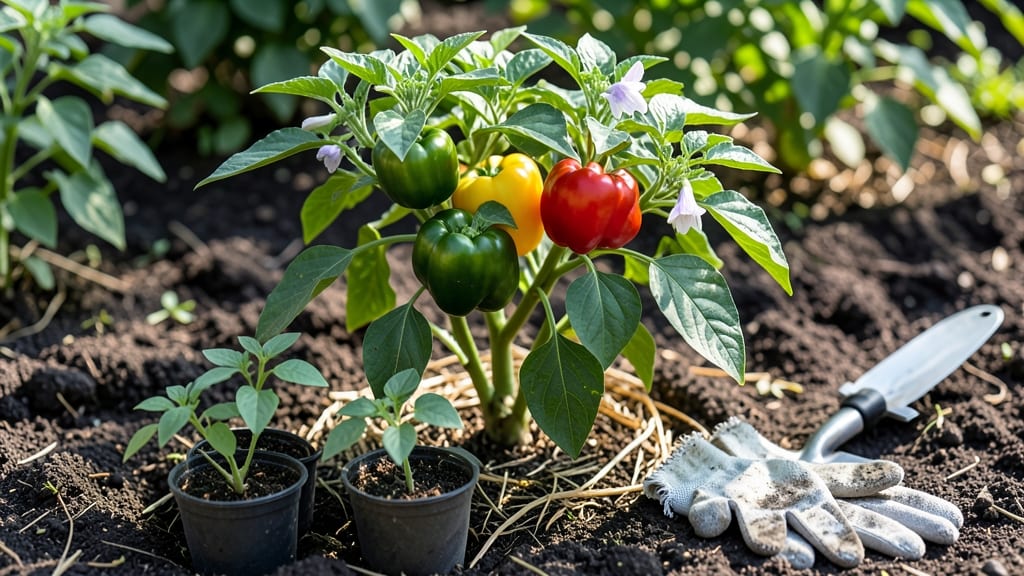
Timing your bell pepper 🌶️ planting in Oregon wrong could mean the difference between a bumper crop and wasted effort—especially when coastal fog meets inland heat. The exact window to plant depends on your microclimate, but getting it right ensures your peppers thrive from July through October harvests.
Most gardeners in USDA zones 8b-9a wait until April 15 to June 1, but coastal areas like the Willamette Valley often play by different rules. Soil temperatures below 60°F will stall growth, so testing with a thermometer (or waiting for May) is smarter than rushing.
Whether you're starting seeds indoors 8-10 weeks early or transplanting seedlings, Oregon’s unpredictable weather demands flexibility. I’ll break down the perfect planting schedule for your specific corner of the state—so you can avoid the 3 biggest mistakes that kill yields.
From row covers for late starts to heat-tolerant varieties for inland zones, this guide keeps your bell peppers on track for a long, productive season. Let’s get those seeds in the ground the right way.
Oregon’s bell pepper planting zones: frost-free deadlines by microclimate
Oregon’s diverse microclimates mean your bell pepper planting deadlines should vary by region—whether you're in coastal Western Oregon, the Willamette Valley, or the high desert of Eastern Oregon. Each zone has unique last-frost dates and heat-unit requirements that determine when your peppers can thrive.
Let’s break down the optimal planting windows tailored to your corner of the state.
Bell peppers are warm-season crops that need consistent soil temperatures above 60°F and 120-150 frost-free days to mature. Oregon’s USDA Zones 8b-9a give us a head start, but microclimates like the coastal fog belt or inland valleys can shift those windows dramatically.
Here’s how to align your planting with Oregon’s four key zones, including soil temperature and heat-unit benchmarks for success.
| Zone | Last Frost Date | Planting Window | Soil Temp | Heat Units Needed | Notes |
|---|---|---|---|---|---|
| Western Oregon (Coastal) | April 15–May 1 | May 15–June 15 | 60–65°F | 1200–1400 | Use row covers for early starts; fog delays warming. |
| Willamette Valley | April 1–April 15 | April 20–May 10 | 65–70°F | 1300–1500 | Ideal for longer seasons; start indoors by March 1. |
| Eastern Oregon (High Desert) | May 1–May 15 | May 20–June 1 | 70–75°F | 1400–1600 | Dry heat; mulch heavily to retain moisture. |
| Southern Oregon (Medford Area) | March 15–April 1 | March 20–April 15 | 60–68°F | 1250–1450 | Earliest harvest potential in Oregon. |
*Heat units calculated as growing degree days (GDD) above 50°F.
If you’re in Western Oregon’s coastal fog belt, your last-frost date might be as late as May 1, while Southern Oregon gardeners can start peppers as early as March 20.
The Willamette Valley offers the sweet spot for early planting, but even here, soil temperature is critical—wait until it hits 65°F before transplanting seedlings.
For Eastern Oregon’s high desert, the dry heat means you’ll need to mulch aggressively and choose drought-tolerant varieties like ‘NuMex Heritage’ or ‘Apache’. These peppers handle hotter, drier conditions better than standard varieties, giving you a higher chance of success in Zone 8b areas.
Pro tip: Use a soil thermometer to confirm warmth before planting. Cold soil stunts root growth, and peppers won’t thrive until the ground is consistently above 60°F. In <
How to adjust planting dates for Oregon’s unpredictable weather patterns
Oregon’s weather can shift faster than a coastal fog burning off at noon. If you’re not ready, your bell pepper seedlings could face late frosts or heat stress—both killers for tender plants.
The key is flexibility: adjust your planting dates based on soil warmth, microclimate, and seasonal tools like row covers.
For inland areas (like Bend or Redmond), where summers heat up fast, start seeds indoors by March 1 and transplant by May 15. Coastal gardeners in Astoria or Cannon Beach should wait until May 15–June 1—frost risk lingers longer near the ocean.
Use a soil thermometer ($10 at garden centers) to confirm temps hit 60°F+ before planting.
Here’s my go-to strategy for Oregon’s rollercoaster weather: begin with early varieties (like ‘Early California Wonder’) in late April for inland zones, then follow up with heat-tolerant types (e.g., ‘Carmen’ or ‘Arpad F1’) in mid-May. This staggered approach ensures peppers mature before October’s first frost.
✅ 5 Ways to Extend Oregon’s Growing Season
- Row Covers: Use lightweight fabric to protect seedlings from late frosts (e.g., April 15–May 1 in the Willamette Valley). Remove when temps stay above 50°F.
- Cold Frames: Start seeds in February under clear plastic lids. Transplant hardened-off seedlings by May 1.
- Black Plastic Mulch: Warms soil 5–10°F faster than bare earth. Lay it down 2 weeks before planting for a head start.
- Heat-Tolerant Varieties: Choose ‘NuMex Sandia’ or ‘Jupiter’ for inland zones where temps hit 90°F+. They handle heat better than standard types.
- Drip Irrigation: Keep soil moist but not soggy—consistent watering prevents blossom-end rot, a common Oregon issue during dry spells.
Don’t assume your last frost date is set in stone. Check the Oregon State University Extension frost maps annually—they update based on 10-year averages. For example, Portland’s last frost has shifted 2 weeks earlier in the last decade due to climate change.
If you’re in doubt, err on the side of late planting—you can always add a row cover than risk losing seedlings.
Pro tip: Pair your bell peppers with basil or marigolds to deter pests like aphids, which thrive in Oregon’s damp springs. Space plants 18–24 inches apart for airflow, reducing fungal risks.
And if your summer stretches into September, consider a second planting of fast-maturing varieties like ‘Sweet Banana’ for a fall harvest.
Remember, Oregon’s 180 frost-free days are a guideline, not a rule. By combining soil tests, seasonal tools, and variety selection, you’ll turn the state’s weather quirks into your bell pepper advantage. 🌶️