
Plants
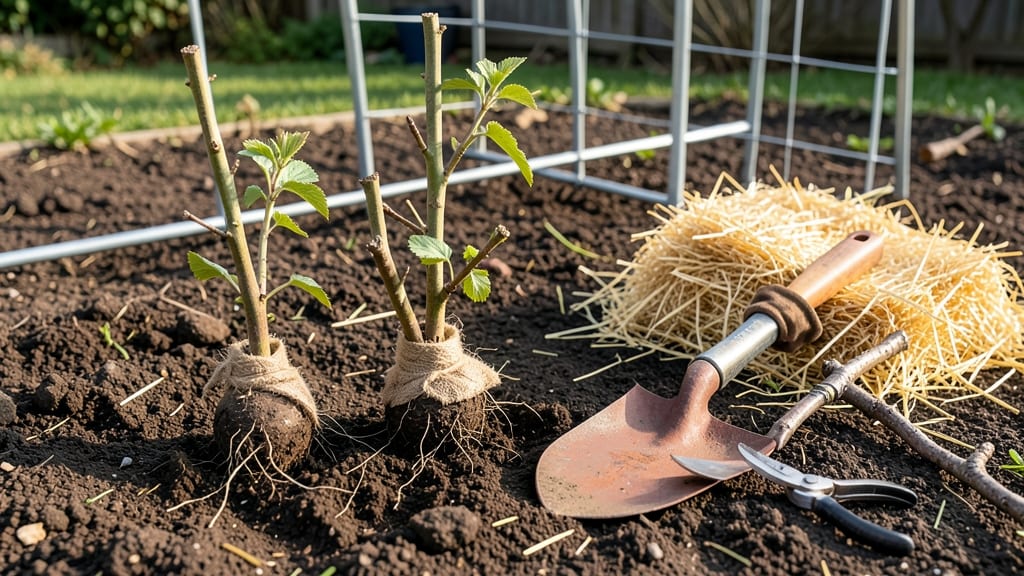
Timing your blackberry 🫐 planting in Alabama isn't just about the calendar—it's about matching your variety to the state's unique chill hours and microclimates. Plant too early, and your canes might struggle with unpredictable spring frosts; too late, and they won't establish strong roots before winter sets in.
With Alabama's USDA zones 7a-8b offering both mild winters and hot summers, the ideal windows are late winter through early spring (February-March) or fall (October-November).
But here's the catch: some varieties need 1,000 chill hours, while others thrive with just 300-500—and getting this wrong can mean the difference between a bountiful harvest and disappointed canes.
I've tested different planting strategies across northern and southern Alabama, and what I'm about to share will help you avoid common mistakes. Whether you're working with bare-root plants or potted varieties, we'll cover exactly when to plant for maximum success—plus how to adjust for your specific corner of the state.
Let's dive into the science behind Alabama's planting windows and how to pick the perfect moment for your blackberries to thrive. You'll learn which varieties work best in your area, how to prep your soil, and even how to use local frost data to fine-tune your timing.
Best planting windows for Alabama blackberries by chill-hour requirements
Alabama’s USDA zones 7a-8b create a unique challenge for blackberry growers: mild winters mean some varieties need fewer chill hours than those in northern states. But getting the timing wrong can leave your canes struggling to establish roots before summer’s heat arrives.
The key is matching your variety’s chill-hour needs to Alabama’s two primary planting windows—late winter/early spring and fall.
Most Alabama gardeners succeed with bare-root canes planted in February-March or potted plants in October-November. However, varieties like Prime-Ark Freedom (1,000+ chill hours) thrive in northern Alabama’s cooler microclimates, while Natchez (300-500 chill hours) does better in southern Alabama’s warmer zones.
Let’s break down the science behind these windows and how to choose the right timing for your specific variety.
Soil temperature is your best guide—wait until the ground reaches 50°F (10°C) consistently for 2-3 days before planting. In Alabama, this typically aligns with mid-February in northern regions and late February in southern areas.
For fall planting, aim for 6-8 weeks before your first frost (usually late October to early November).
Here’s the critical difference: Spring planting gives canes 6-8 weeks of root establishment before summer’s heat, while fall planting lets them develop roots before winter dormancy. Both strategies work in Alabama, but your variety’s chill-hour needs will determine which window suits you best.
| Variety | Chill Hours | Best Planting Window | Alabama Region | Notes |
|---|---|---|---|---|
| Prime-Ark Freedom | 1,000+ | February-March (spring) | Northern Alabama (USDA 7a) | High-yielding, needs cool winters |
| Natchez | 300-500 | October-November (fall) or February | Southern Alabama (USDA 8a-8b) | Thornless, heat-tolerant |
| Arapaho | 500-700 | February-March (spring) | Central/Northern Alabama | Disease-resistant, early producer |
| Ouachitree | 400-600 | October-November (fall) | Statewide (adaptable) | Thornless, large fruit |
The chill-hour requirement is the most critical factor when choosing your planting window. For example, Prime-Ark Freedom needs 1,000+ chill hours, so it’s best planted in February-March in northern Alabama where winters are cooler.
In contrast, Natchez only needs 300-500 chill hours, making it ideal for fall planting in southern Alabama’s warmer zones.
Pro tip: Use a chill-hour calculator (like the one from the Alabama Cooperative Extension) to verify your local chill hours. Simply input your ZIP code, and it’ll tell you exactly how many hours below 45°F (7°C) your area gets annually.
This is especially useful if you’re on the border between USDA zones.
For bare-root canes, the soil must be workable but not soggy—aim for 50-60°F (10-15°C). In Alabama, this usually means waiting until after the last frost date (typically mid-February in the north and late February in the south).
Potted plants, however, can handle slightly cooler soils, giving you a 1-2 week earlier window if planted in containers.
One common mistake I see is planting too early in January, when soils are still cold and frosts can damage emerging canes. Always check your local frost-free date—in Alabama, this ranges from February 15 in the north to March 1 in the south.
Planting before these dates risks exposing your blackberries to late frosts, which can stunt growth or kill young canes entirely.
Remember: The goal is to give your blackberries 6-8 weeks of active root growth before summer’s heat arrives. Whether you choose spring or fall planting, timing your canes to establish roots during Alabama’s mild shoulder seasons is the key to a thriving blackberry patch.
Best planting windows for Alabama blackberries by chill-hour requirements
Alabama’s USDA zones 7a-8b create a unique challenge for blackberry growers. The state’s mild winters mean some varieties need fewer chill hours than northern regions, while others still require significant cold exposure to produce fruit. Matching your variety to your local chill hours is the first step to success.
For example, Prime-Ark Freedom thrives with 500-700 chill hours, making it ideal for northern Alabama, while Natchez, with 300-500 chill hours, works better in southern regions. Planting at the wrong time—like putting a high-chill variety in the ground too early—can lead to poor dormancy and weak canes.
Here’s how to align your planting with Alabama’s chill-hour zones and variety needs for optimal cane establishment:
Fall planting (October-November) is also a great option for high-chill varieties like Arapaho, as it allows canes to establish roots before winter dormancy. However, avoid planting in late fall when soil temperatures drop below 50°F, which can stunt root growth.
Pro tip: Use a soil thermometer to confirm soil temps are above 50°F before planting—this is especially critical in Alabama’s unpredictable spring weather. Planting too early in cold soil can lead to root rot or poor establishment.
For container-grown blackberries, you have a slightly longer window (March-April) since potted plants adapt more easily to temperature fluctuations. Just ensure your containers have drainage holes to prevent waterlogging in Alabama’s humid climate.