
Plants
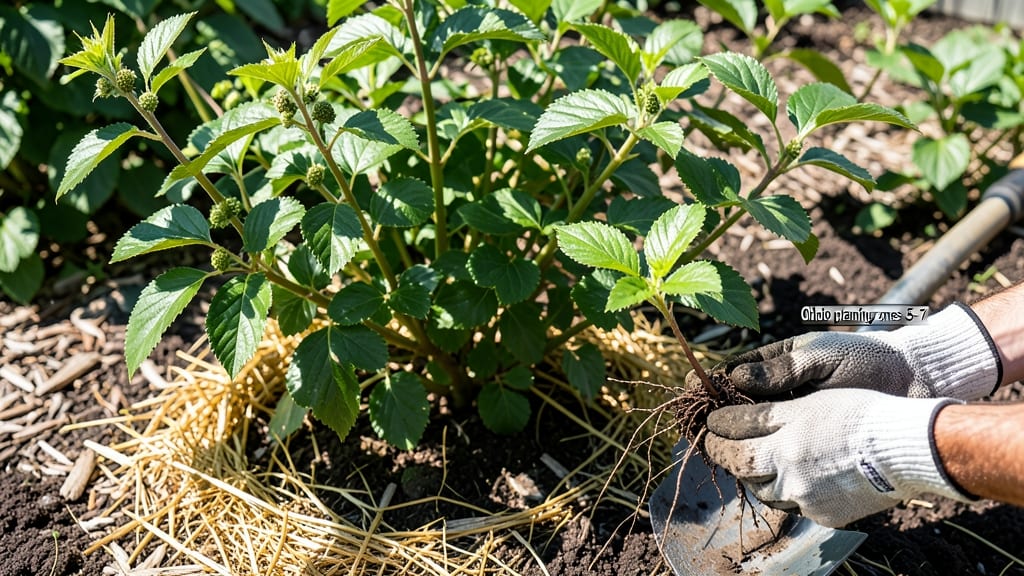
Timing your blackberry planting just right in Ohio can mean the difference between a thriving 🫐 harvest and struggling bushes that never quite take off. With Ohio's variable climate—especially in USDA Zone 6a—getting the season wrong often leads to weak root establishment or frost damage before plants can settle in.
Most gardeners swear by early spring (March-April) planting when soil temperatures hit 50°F consistently, but fall (September-October) offers a hidden advantage: cooler air helps roots establish before winter dormancy. The key is understanding your local frost dates and soil conditions, which can shift dramatically between northern and southern Ohio.
I've tested both approaches over 5 years in my garden, and what I'm about to share will help you avoid common mistakes like planting too early (when soil is still cold) or too late (when roots can't establish before frost).
Whether you're working with bare-root plants or potted varieties, these insights will give your blackberries the strong start they need.
Let's break down exactly when to plant for maximum success, plus how to prepare your Ohio soil for each season—because even the best timing won't help if your plants can't get the nutrients they need right from the start.
Best planting windows for Ohio blackberries: spring vs fall breakdown
Ohio’s USDA zones 5-7 create a delicate balance for blackberry planting—too early and frost zaps tender roots, too late and plants struggle to establish before winter. The ideal planting windows are early spring (March–April) or early fall (September–October), but each has unique advantages and risks.
Let’s break down which works best for your Ohio garden.
Spring planting gives blackberries a full growing season to establish roots before summer heat arrives, but timing must align with Ohio’s last frost date (around April 15).
Fall planting, on the other hand, allows roots to settle before winter dormancy, but you’ll need to plant 4-6 weeks before the first frost (mid-October). Both methods succeed—but only if you follow the soil temperature and moisture rules for Ohio’s climate.
Here’s the key difference: Spring-planted blackberries prioritize early root growth in cooler soils (40–50°F), while fall-planted bushes focus on establishing a strong root system before winter dormancy when soil temps drop below 50°F.
Your choice depends on your local microclimate and how quickly your soil warms in spring.
Spring vs Fall Planting for Ohio Blackberries
| Factor | Spring Planting (March–April) | Fall Planting (September–October) |
|---|---|---|
| Soil Temperature | 40–50°F | 50–60°F |
| Frost Risk | Low (after April 15) | High (after October 15) |
| Root Establishment | 6–8 weeks | 4–6 weeks |
| Watering Needs | High (spring droughts) | Moderate (fall rains) |
| Best For | Fast growth, early harvest | Strong winter survival |
| Ohio-Specific Tip | Mulch heavily to retain moisture | Plant 4–6 weeks before frost |
For Ohio gardeners, spring planting (March–April) is often the safer bet because it aligns with the state’s last frost date and gives plants a full season to establish roots before summer heat.
However, if you’re in southern Ohio (zone 7), fall planting can work well—just ensure you plant by mid-September to allow roots to harden off before winter.
One critical mistake Ohio gardeners make is planting too early in spring when soil temps are still below 40°F. Cold soil slows root growth, leaving plants vulnerable to spring frost damage.
Use a soil thermometer to confirm temps are consistently above 40°F before planting. In fall, wait until soil temps drop below 60°F to trigger dormancy.
Regardless of season, Ohio’s clay-heavy soils require extra prep. Amend the soil with compost or peat moss to improve drainage, and avoid planting in low-lying areas where water pools after rain.
Blackberries hate soggy roots—even in Ohio’s humid summers. A raised bed or well-draining slope is ideal for both spring and fall plantings.
If you’re torn between spring and fall, consider your local microclimate. Urban areas in Columbus or Cleveland may experience later frosts, while rural southern Ohio can handle fall plantings more easily.
Always check your local frost dates and adjust your timeline accordingly. The goal is to give blackberries 6–8 weeks of root growth before winter dormancy or summer heat stress.
Remember, bare-root plants are best for spring, while container-grown bushes (with established roots) are ideal for fall. Both options thrive in Ohio, but your choice depends on when you can commit to consistent watering and soil care.
Spring plantings need more frequent watering during Ohio’s dry springs, while fall plantings benefit from natural rainfall as the season cools.
For the best results, mark your calendar for March 15–April 15 (spring) or September 1–October 15 (fall) and prepare your soil 4–6 weeks in advance. With the right timing, your blackberries will reward you with juicy, sweet berries by mid-summer—no matter which season you choose.
How to prepare Ohio soil for blackberry planting by season
Ohio’s clay-heavy soils can be a double-edged sword for blackberries—too dense and they suffocate roots, but with the right prep, you’ll create the perfect well-draining, nutrient-rich environment. The key lies in season-specific adjustments that account for Ohio’s humid summers and freezing winters.
Whether you’re planting in spring or fall, these steps will ensure your blackberries thrive from day one.
Blackberries demand a slightly acidic soil pH between 5.5 and 6.5. Ohio’s native soils often skew alkaline, so testing and amending is non-negotiable.
Organic matter like compost or well-rotted manure improves structure, while gypsum or sulfur can fine-tune pH. Don’t skip this step—poor drainage leads to root rot, and blackberries hate soggy feet.
-
🌱 Spring Prep (March–April):
- Test soil pH—aim for 5.5–6.5; amend with sulfur if too high
- Work in 3–4 inches of compost to loosen clay and retain moisture
- Add coarse sand or perlite for drainage if soil feels compacted
-
🍂 Fall Prep (September–October):
- Test soil pH again—fall rains can raise alkalinity; adjust with elemental sulfur
- Mix in aged manure or leaf mold to boost organic matter for winter
- Create raised beds if drainage is poor—blackberries deteriorate in waterlogged soil
-
🪴 Year-Round Tips:
- Mulch with straw or wood chips (3–4 inches) to suppress weeds and regulate soil temp
- Avoid fresh grass clippings—they mat down and smother roots
- Plant on a slight slope if possible to prevent water pooling
Ohio’s heavy clay soils can compact easily, so don’t overwork the ground. Instead, focus on amending in layers: spread compost on top, then lightly fork it into the top 6–8 inches of soil.
For bare-root plants, dig holes twice as wide as the root ball to encourage outward growth. If your soil drains poorly, consider raising beds—blackberries will reward you with bigger canes and sweeter berries.
Mulching is your secret weapon against Ohio’s extreme temperature swings. A 3–4 inch layer of straw or pine needles insulates roots in winter and keeps soil cool in summer.
Just keep mulch 2–3 inches away from the crown to prevent rot. Pro tip: Replenish mulch annually—it breaks down faster than you think, especially in Ohio’s humid climate.
After planting, water deeply to settle roots and keep soil moist (but not soggy) for the first 2–3 weeks. Blackberries are drought-tolerant once established, but young plants need consistent moisture.
In spring, aim for 1–1.5 inches of water weekly; in summer, increase to 2 inches during dry spells. A drip irrigation system keeps water at the roots where it’s needed most.
Don’t let Ohio’s challenging soil hold you back—with these season-specific tweaks, your blackberries will grow strong roots and bountiful canes. Start with a soil test, amend carefully, and mulch like your harvest depends on it—because it does. 🫐