
Plants
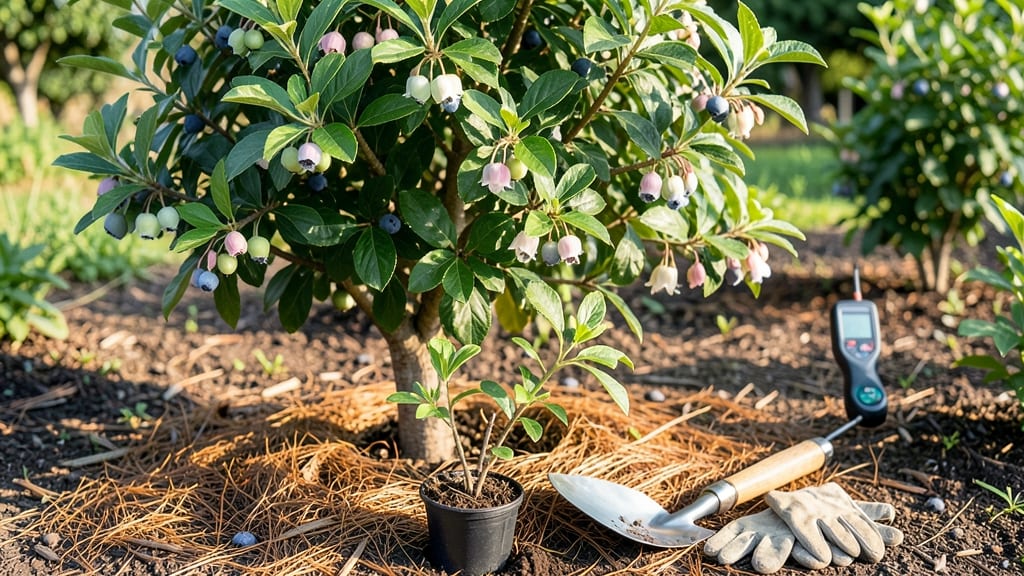
If you've ever dreamed of picking fresh, juicy 🫐 blueberries from your own backyard but live in Zone 8b, timing your planting could make or break your success.
Unlike cooler climates, Zone 8b's mild winters and scorching summers demand a different approach—plant too early, and your bushes might struggle with heat; too late, and they won't establish roots before summer hits.
The best window for planting blueberries in Zone 8b is late winter to early spring, when the soil warms just enough to encourage root growth but before the heat peaks. This means February to March is your sweet spot, giving bushes a strong start before summer's intensity sets in.
But don't overlook fall planting either—it can work if you choose the right varieties and protect young plants from late-season heat.
What sets Zone 8b apart is the need for microclimate awareness. A north-facing spot with afternoon shade can be a game-changer, shielding your bushes from the harshest sun while still giving them the morning light they crave.
We'll cover how to pick the perfect spot, prep your soil, and choose varieties that thrive in this tricky climate—so you're not left with wilted leaves and empty vines.
Ready to grow blueberries that burst with flavor? I'll walk you through the exact steps to time your planting, from soil prep to variety selection, so you can enjoy a bountiful harvest from May to June. Let's get those bushes in the ground the right way!
Optimal planting months for blueberries in Zone 8b
In Zone 8b, where winters are mild and summers can be scorching, timing your blueberry planting correctly is critical. The best planting window for blueberries here is late winter to early spring, specifically between February and March.
This timing allows roots to establish before the heat of summer arrives, giving your bushes a fighting chance against Zone 8b’s intense sun and occasional drought.
But what if you missed that window? Fall planting (September to October) is also viable in Zone 8b, provided you plant 6-8 weeks before the first frost (typically around November 15). Fall-planted bushes have time to root before winter dormancy, often resulting in faster establishment the following spring.
However, avoid planting in late fall, as young roots may not harden off before cold snaps.
Here’s the key: Soil temperature matters more than air temperature. Blueberries thrive when soil temps are between 40°F and 50°F. In Zone 8b, this usually aligns with March, but if your soil warms earlier (common in sandy soils), you can plant as early as late February.
Use a soil thermometer to check—this small tool will save you from planting too soon and risking root damage.
Another critical factor is avoiding extreme heat during planting. In Zone 8b, summer temperatures can exceed 90°F, and transplanting in May or June often leads to transplant shock or even death.
If you must plant later, opt for container-grown blueberries, which adapt better to heat stress and can be moved to cooler microclimates (like near a north-facing wall) during peak summer.
🌱 Blueberry Planting Timeline for Zone 8b
| Planting Window | Ideal Months | Soil Temp | Zone 8b Notes |
|---|---|---|---|
| Spring Planting | February–March | 40°F–50°F | Best for root establishment; avoid late spring heat. |
| Fall Planting | September–October | 50°F–60°F | Roots harden before winter; plant 6–8 weeks before frost. |
| Avoid Planting | May–July | Above 70°F | High risk of transplant shock; opt for containers if necessary. |
If you’re planting bare-root blueberries, do it as soon as you receive them—these plants are dormant and can dry out quickly. Soak the roots in water for 1–2 hours before planting to rehydrate them.
For container-grown bushes, you have slightly more flexibility, but still aim for cool, moist soil to reduce stress. Pro tip: Mulch heavily after planting (with pine straw or wood chips) to retain moisture and regulate soil temperature.
Zone 8b gardeners often face microclimate challenges, like urban heat islands or windy spots. If your yard is particularly hot, plant blueberries in a north-facing or east-facing location to shield them from afternoon sun.
Alternatively, use shade cloth (30–50%) during the hottest months to protect young plants. This isn’t just about survival—it’s about setting your blueberries up for bigger yields in their first few years.
One common mistake in Zone 8b is planting too late in spring and expecting the bushes to catch up. Blueberries are slow starters compared to other fruits, and a June planting might not bear fruit until year 4 or 5 (instead of the usual 2–3 years).
Plan ahead: If you’re dreaming of homegrown blueberry jam by next summer, start your bushes in March—your future self (and taste buds) will thank you.
Finally, consider container planting if your soil is alkaline or poorly draining, which is common in Zone 8b’s clay-heavy or limestone-rich soils. Containers let you control the pH and drainage perfectly, and you can move them to cooler spots during heatwaves.
Just ensure pots are at least 18 inches deep and use a well-draining mix with peat moss or pine bark.
Timing your blueberry planting in Zone 8b isn’t just about the calendar—it’s about reading your microclimate, preparing your soil, and giving your bushes the best shot at thriving.
With the right approach, you’ll be harvesting juicy, sweet berries in May or June—just in time for smoothies, pies, or fresh snacks! 🫐
Optimal planting months for blueberries in Zone 8b
In Zone 8b, where mild winters and hot summers create unique growing conditions, timing your blueberry planting correctly is crucial. The best window for planting is during late winter to early spring—specifically, between February and March—when soil temperatures begin to warm but frost risks are minimal.
This aligns with Zone 8b’s last frost date around February 15, giving young roots time to establish before summer heat arrives.
Fall planting is also an option in Zone 8b, but it requires careful timing. Plant 6-8 weeks before your first frost (around September-October) to allow roots to establish before winter dormancy.
However, fall planting demands extra attention to soil moisture and protection from late-season heatwaves, which can stress newly planted bushes.
Why these months? Blueberries need 60-90 days of warm soil temperatures (above 50°F) to thrive. Zone 8b’s soil warms quickly in spring, but planting too early risks cold snaps damaging tender roots. Conversely, waiting too long may expose plants to summer’s intense heat before they’re established.
| Planting Window | Best Months | Soil Temp | Key Considerations |
|---|---|---|---|
| Spring Planting | February-March | 50°F+ | Avoid frost; mulch for heat protection |
| Fall Planting | September-October | 60°F+ | Water deeply; protect from late heat |
For container-grown blueberries, you can plant slightly later—up to April—since pots warm faster in spring. However, ensure containers have drainage holes and use a peat-based potting mix to maintain acidity. Zone 8b’s hot summers mean containers dry out quickly, so plan for frequent watering.
Pro tip: If planting in clay-heavy soils (common in Zone 8b), amend the area with compost and sand to improve drainage. Poor drainage leads to root rot, especially during the hot, humid summers this zone experiences. Test your soil’s pH before planting—blueberries thrive in acidic soil (pH 4.5-5.5).
Remember, Zone 8b’s 220 frost-free days mean blueberries have ample time to grow, but early planting gives them a head start. Avoid planting in June or later, as young bushes may struggle to establish before winter dormancy begins.
With the right timing, your blueberries will reward you with sweet harvests in late spring! 🫐