
Plants
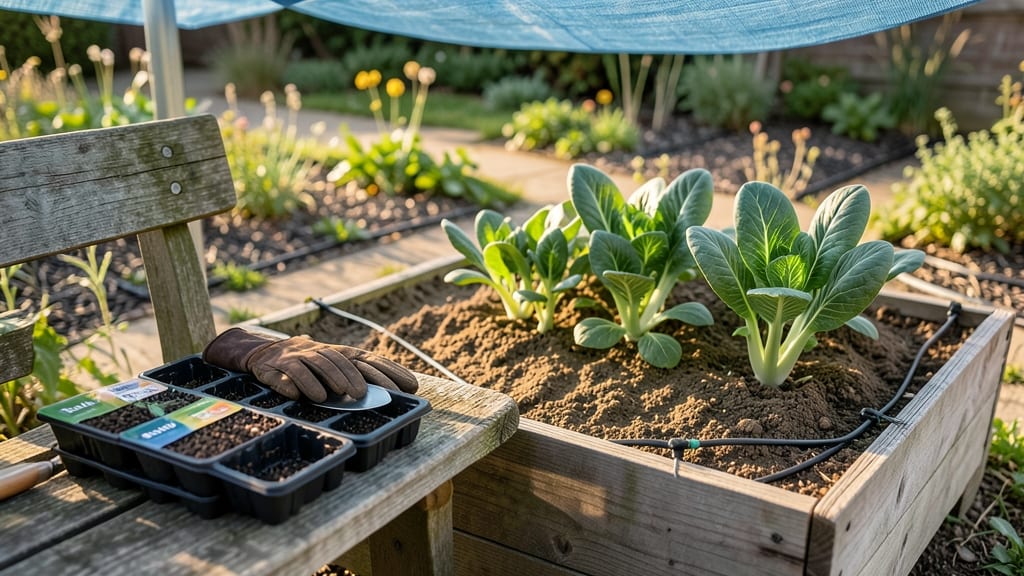
Planting bok choy 🥬 in Zone 9 at the wrong time can turn your crisp, tender greens into bitter disappointment. The key to zero-bolt success lies in understanding that fall and spring offer two distinct windows—each with its own temperature thresholds and growth quirks.
In Zone 9 (think Southern California or Arizona deserts), where frost is rare, your bok choy thrives when days grow cooler but never dip below 50°F.
That means September through November for fall crops and December through February for winter harvests—timing that keeps your greens sweet and your garden productive.
But here's the catch: even in Zone 9, summer heat can sneak up on you. Plant too early in spring, and you risk bolting before you even harvest.
Too late in fall, and your plants may languish. I'll show you exactly when to start seeds and transplants for 30-60 days of perfect harvests.
Whether you're working with raised beds or urban containers, these strategies will help you avoid common pitfalls. Let's dive into the ideal planting calendar and heat management tips that keep your bok choy happy year-round.
Optimal bok choy planting calendar for Zone 9: fall & spring windows
Zone 9 gardeners enjoy a unique advantage—no frost to worry about! This means you can grow bok choy almost year-round, but timing still matters to avoid bitter bolts and maximize harvests.
The key is planting when daytime temperatures stay below 75°F and nights dip below 65°F. This creates ideal conditions for tender, sweet greens.
In Zone 9, the two best windows are fall (September-November) and winter (December-February). Summer planting is risky—heat stress triggers bolting (flowering) and makes leaves tough. Even winter can get tricky if temperatures spike unexpectedly. The goal? Start seeds or transplants when soil temps hover around 60-65°F.
Here’s the breakdown of your Zone 9 bok choy planting calendar, including ideal months, temperature thresholds, and harvest windows to plan ahead:
For fall planting, aim to start seeds or transplants by mid-September. This gives you a 6-8 week harvest window before winter slows growth.
In Zone 9b (e.g., coastal Southern California), you might extend harvests into early December, but inland areas like Phoenix should wrap up by November to avoid heat spikes.
If you’re growing in containers or small spaces, succession planting every 2-3 weeks ensures a steady supply. For example, plant a batch on September 15, another on October 1, and a final one by October 15.
This staggered approach guarantees fresh bok choy from October through December without gaps.
Pro tip: Use a soil thermometer to monitor temps before planting. Bok choy roots prefer cool soil (60-65°F). If your garden soil runs hotter, amend with compost or aged manure to insulate roots and retain moisture.
This is especially critical in desert Zone 9 areas like Tucson or Las Vegas.
Don’t forget to harden off seedlings if starting from seed. Acclimate them to outdoor conditions over 5-7 days before transplanting. Hardening off prevents transplant shock, which can stress plants and make them more susceptible to bolting in fluctuating Zone 9 temperatures.
For winter planting, December through February offers the coolest temps of the year. However, watch for unpredictable heat waves—even in winter, Zone 9 can see sudden spikes.
If daytime temps creep above 70°F, provide 30% shade cloth to protect your crop. This simple step can extend your harvest by 3-4 weeks.
Finally, always harvest before bolting. Look for tight centers and crisp leaves—these are your cues. Once the central bud swells, the leaves turn bitter and tough.
In Zone 9, this happens faster in heat, so stay vigilant! With the right timing, you’ll enjoy sweet, zero-bolt bok choy from fall through winter.
Optimal bok choy planting calendar for Zone 9: fall & spring windows
Zone 9 gardeners have a unique advantage with bok choy 🥬—no frost to worry about! But timing still matters. Your best planting windows are September through November for fall crops and December through February for winter harvests.
These months keep soil temperatures between 50°F and 75°F, ideal for preventing bolting while ensuring rapid growth.
Fall planting is your golden window. Start seeds 8-10 weeks before your first expected cool snap (typically mid-September in most Zone 9 regions). For transplants, aim for September 15-October 15 to harvest before summer heat returns.
Winter crops can begin as early as December 1, with successive plantings every 2-3 weeks for continuous harvests.
Here’s your month-by-month guide to avoid common pitfalls like heat stress or slow growth:
| Month | Planting Window | Ideal Soil Temp (°F) | Harvest Timeframe | Key Tip |
|---|---|---|---|---|
| September | Seeds: Late Aug - Early Sept Transplants: Mid-Sept |
60-75°F | October - November | Use shade cloth if temps exceed 80°F |
| October | Seeds: Early Oct Transplants: Mid-Oct |
55-70°F | November - December | Mulch to retain moisture |
| November | Seeds: Early Nov Transplants: Mid-Nov |
50-65°F | December - January | Extend season with row covers |
| December | Seeds: Late Dec Transplants: Early Jan |
50-60°F | January - February | Water deeply 2-3x/week |
| January | Seeds: Early Jan Transplants: Mid-Jan |
50-65°F | February - March | Avoid overhead watering |
Spring planting in Zone 9 requires caution. If you attempt it, start seeds no earlier than February 15 for transplants by March 1. However, most Zone 9 gardeners skip spring bok choy entirely—summer heat makes bolting inevitable. Instead, focus on fall and winter crops for zero-bolt success.
Pro tip: For urban gardeners or small spaces, use 5-gallon containers with well-draining soil. Bok choy grows 30-60 days to harvest, so stagger plantings every 2 weeks for continuous greens. Just remember—cool nights and mild days are your bok choy’s best friends in Zone 9!
🌱