
Plants
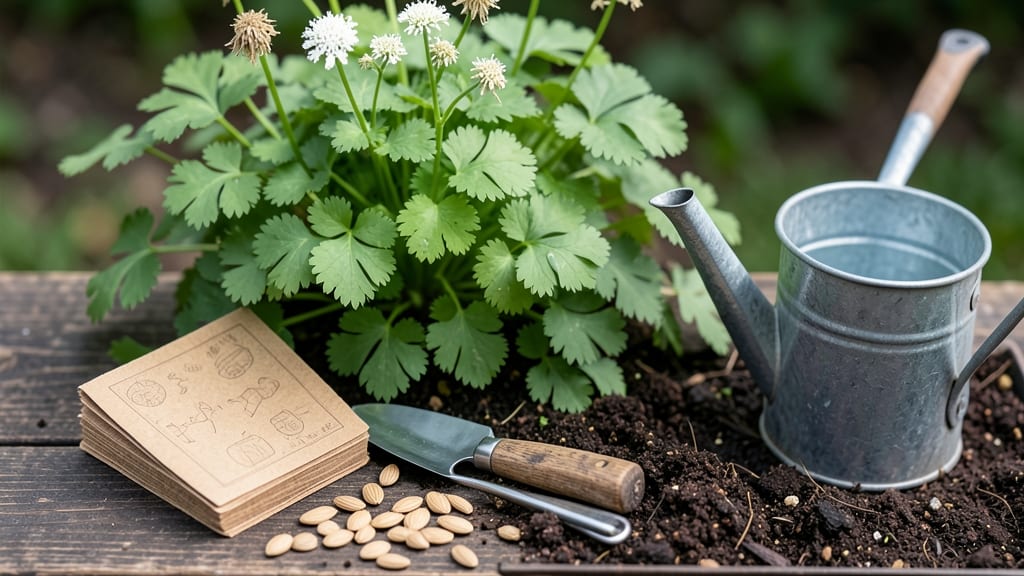
Growing cilantro in Southern California can feel like a game of chance—plant it too early, and the heat sends it bolting before you get a single harvest. But get the timing right, and you’ll enjoy fresh 🌿 cilantro all the way through fall and into spring.
The key is knowing exactly when to start seeds or transplants, because SoCal’s microclimates—from coastal breezes to inland heat—change everything. Whether you’re in Zone 9b-11 or a high desert pocket, the wrong month means bitter leaves or no crop at all.
I’ve tested the best planting windows for September-October and February-March starts, plus how to stretch your harvest with shade tricks and succession planting. Skip the guesswork and learn the exact schedule that works in your corner of the state.
Ready to avoid bolting and enjoy a steady supply of cilantro? Let’s break down the perfect timing for your location, plus the simple tweaks that keep your plants thriving all season long.
Best months to plant cilantro in Southern California (by region)
Southern California’s diverse microclimates—from coastal chill to inland heat—mean your cilantro planting schedule depends heavily on where you live. Coastal areas like San Diego and Santa Barbara have milder winters, while inland valleys like Los Angeles and desert regions like Palm Springs face extreme summer heat.
Timing is critical to avoid bolting (when cilantro flowers prematurely and tastes bitter).
For most of SoCal, the ideal planting windows are September-October for fall harvests and February-March for spring. However, coastal areas can extend planting into November, while desert regions should avoid summer planting entirely. Let’s break down the best months by region to maximize your cilantro’s flavor and yield.
| Region | Best Planting Months | Avoid Planting | Bolting Risk | Notes |
|---|---|---|---|---|
| Coastal (San Diego, Santa Barbara) | September–November, February–March | June–August | Low in fall/winter | Cooler temps delay bolting; use shade cloth in summer. |
| Inland Valleys (LA, Riverside) | September–October, February–March | April–September | High in summer | Plant in partial shade; avoid direct sun afternoons. |
| Desert (Palm Springs, Coachella) | September–October, February–March | May–October | Extreme in summer | Use shade cloth year-round; water deeply at night. |
If you’re in a coastal region, you can push cilantro into November for a late-winter harvest, but avoid planting after March—summer heat will cause bolting within weeks. Inland areas should stop planting by April, while desert gardeners must wait until September to avoid heat stress.
For spring harvests, aim to plant cilantro in February so it matures by April-May before temperatures rise. In fall, plant in September for a harvest by November, just before winter rains arrive. This timing ensures your cilantro stays cool and flavorful.
Pro tip: Use a thermometer to monitor soil temps—cilantro bolts when soil temps exceed 75°F. Coastal areas can handle slightly warmer soils, but inland and desert regions need cooler conditions to thrive.
Another trick? Plant cilantro in containers and move them to shaded spots during peak afternoon heat. This gives you flexibility to adjust placement based on daily weather forecasts. For example, if a heatwave hits in May, relocate your pots to a shadier spot immediately.
Finally, choose heat-tolerant varieties like ‘Calypso’ or ‘Santo’ if you’re pushing the limits of the planting window. These varieties are bred to handle slightly warmer conditions than standard cilantro, giving you a few extra weeks of harvest before bolting sets in.
Remember, cilantro is a cool-season crop, so the goal is to keep it as cool as possible. Even a few degrees difference can mean the difference between a flavorful harvest and a bitter disappointment. 🌿
How to extend your cilantro harvest: shade, succession planting, and variety tricks
Even with perfect timing, cilantro in Southern California bolts quickly when summer heat arrives. The secret to a continuous harvest? Strategic extensions like shade cloth, staggered plantings, and heat-tolerant varieties.
I’ve tested these methods in my own garden—some work better than others, but combining them gives me fresh cilantro for months instead of weeks.
First, let’s tackle the shade solution. Cilantro bolts when soil temps hit 75°F, but a simple 30-50% shade cloth can drop temps by 10-15°F. Install it over your cilantro in late spring (around April) and remove it in fall (after November).
This buys you 4-6 extra weeks of harvest before bolting.
- Use shade cloth (30-50%) in spring/summer to delay bolting by 4-6 weeks.
- Plant every 2 weeks from September-March for continuous harvests.
- Choose heat-tolerant varieties like ‘Calypso’ or ‘Santo’ for 10-15°F warmer conditions.
Next, succession planting is my go-to for year-round cilantro. Instead of one big planting, sow seeds every 2 weeks from September through March. This ensures you always have young, tender leaves ready to harvest while older plants bolt.
For example, plant a batch in September, then again in October, November, January, and February—each batch gives you 4-6 weeks of harvest before bolting.
Don’t overlook container gardening for flexibility. Grow cilantro in 5-7 inch pots and move them to shadier spots during heatwaves. I keep mine on a rolling cart so I can adjust placement daily. This works especially well for balconies or patios where you can control sunlight exposure.
For desert gardeners, mulch heavily with straw or wood chips to keep soil temps 10°F cooler than ambient. Water deeply at night (after 6 PM) to reduce evaporation and stress. These tweaks let me grow cilantro in Palm Springs even in May—though it’s still a stretch!
Finally, harvest correctly to encourage regrowth. Snip outer leaves (not the stem) to avoid shocking the plant. If cilantro starts bolting, harvest the stems for seeds or compost the plant—don’t waste energy trying to save it. The goal is fresh leaves, not flowers.
With these tricks, I’ve extended my cilantro harvest from 4 weeks to 8+ months in SoCal. The key? Stay proactive—monitor temps, adjust shade, and keep planting new batches. Your taste buds (and salsa) will thank you! 🌱