
Companion Plants
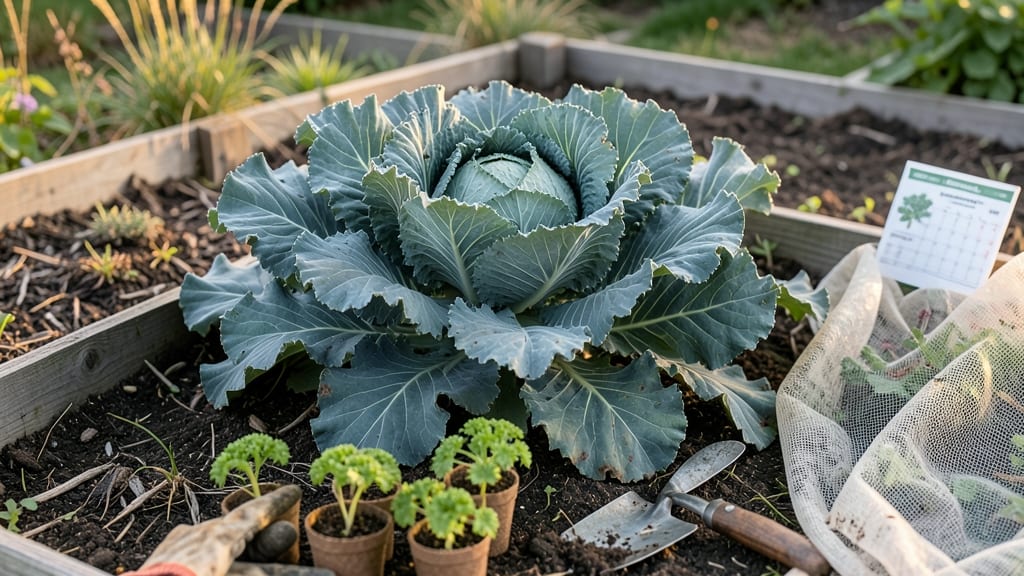
If you're dreaming of a bountiful harvest of broccoli, cabbage, or kale this summer and fall, planting brassicas 🌱 at the right time in Pennsylvania is the game-changer you need.
The Keystone State’s unpredictable climate means getting the timing just right can mean the difference between thriving plants and wasted effort.
Most gardeners in Pennsylvania’s USDA Zones 5-7 struggle with the same question: when exactly should you put those seedlings in the ground? The answer isn’t one-size-fits-all—it depends on whether you’re planting for a spring harvest or stretching your season into fall.
Get it wrong, and you’ll either lose plants to frost or watch them bolt in the heat.
I’ve spent years perfecting the timing in my own garden, and what I’m about to share will help you avoid those common mistakes. From calculating last-frost dates to choosing cold-hardy varieties, I’ll walk you through the exact steps to ensure your brassicas grow strong and productive all season long.
Ready to transform your garden from hit-or-miss to consistently successful? Let’s dive into the zone-specific planting windows that will give you the harvest you’ve been hoping for.
Best brassica planting dates by Pennsylvania hardiness Zone (5-7)
Pennsylvania’s hardiness zones 5-7 create distinct planting windows for brassicas like broccoli, cabbage, and kale. The key is aligning your schedule with last frost dates (typically mid-April to early May) and soil temperature thresholds of at least 40°F for direct sowing.
In cooler Zone 5, you’ll plant earlier than in warmer Zone 7 areas like Philadelphia.
Most brassicas thrive when transplanted 2-3 weeks before the last expected frost. For spring planting, this means starting seeds indoors in February or March (6-8 weeks before transplanting).
Fall planting offers a second chance—sow seeds 8-10 weeks before the first frost (usually September to early October), ensuring harvest before winter sets in.
Here’s the breakdown by zone, including direct sowing and transplanting windows for zero-frost success:
| Zone | Last Frost Date | Spring Planting Window | Fall Planting Window | Soil Temp Requirement |
|---|---|---|---|---|
| 5 (Poconos, NE PA) | Mid-April | Transplant: April 15–May 1 Direct Sow: May 1–15 |
Transplant: Aug 1–15 Direct Sow: Sept 1–15 |
40–45°F |
| 6 (Central PA) | Early May | Transplant: April 1–May 1 Direct Sow: May 10–25 |
Transplant: Aug 15–30 Direct Sow: Sept 10–25 |
45–50°F |
| 7 (SE PA, Philly) | Late April | Transplant: March 15–April 15 Direct Sow: May 1–15 |
Transplant: Sept 1–15 Direct Sow: Sept 10–25 |
50–55°F |
For Zone 5 gardeners, focus on cold-hardy varieties like ‘Winterbor’ kale or ‘Top Bunch’ broccoli, which tolerate light frosts. In Zone 7, prioritize early-maturing varieties (e.g., ‘Golden Acre’ cabbage) to finish before summer heat stresses them.
Always check your local USDA frost calendar—PA’s microclimates can shift dates by 1-2 weeks.
Pro tip: Use row covers to extend spring planting by 2-3 weeks in cooler zones. For fall, aim to harvest before consistent temperatures below 30°F, as this damages brassica tissues. In Zone 6, this often means wrapping up harvests by mid-November.
If you’re unsure about your exact last frost date, err on the side of caution. Planting 1-2 weeks later than the average date is better than risking frost damage to young seedlings.
For urban gardeners in Philadelphia or Pittsburgh, heat islands can delay frost—adjust your timeline 5-7 days later than rural areas.
Remember, brassicas like 6-8 hours of full sun daily. If your garden gets partial shade, opt for leafy greens like kale or collards, which tolerate 4-6 hours of sun better than broccoli or cauliflower.
Always amend soil with compost to ensure pH 6.0–7.0, as brassicas are heavy feeders.
For succession planting, sow every 2 weeks after your initial planting to ensure a continuous harvest. This works especially well for baby leaf lettuce mixes or bok choy, which mature quickly (30-45 days).
In Zone 7, you might even squeeze in a third planting in early August for a late-fall harvest.
🌱
How to extend brassica growing season in PA’s unpredictable climate
Pennsylvania’s climate can be as unpredictable as a spring snowstorm, but with the right strategies, you can protect your brassicas from late frosts and early heat. I’ve learned that extending the growing season isn’t just about patience—it’s about smart planning.
Whether you’re dealing with Zone 5’s harsh winters or Zone 7’s sudden heatwaves, these techniques will keep your broccoli, cabbage, and kale thriving well beyond the typical season.
One of my favorite tools is a floating row cover. Made from lightweight fabric, it allows sunlight and water to reach your plants while shielding them from frost and pests.
I’ve used it to push my fall brassicas into December, and the results are always impressive. Just make sure to secure the edges tightly to avoid wind damage.
Another game-changer? Cold frames. These simple structures trap heat during the day and release it slowly at night, creating a microclimate that can keep your plants growing even when temperatures drop.
I built mine from an old window frame and plywood, and it’s extended my harvest by nearly 4-6 weeks in both spring and fall.
🌱 5 Proven Ways to Extend Your Brassica Season
- 🌡️ Use row covers to protect from late frosts (down to 20°F).
- ☀️ Plant in black plastic mulch to warm soil faster in spring.
- 🌿 Choose cold-hardy varieties like ‘Winterbor’ kale or ‘Ruby Perfection’ kohlrabi.
- 📅 Succession plant every 2 weeks for continuous harvests.
- 🌱 Transplant seedlings in late summer for a fall crop.
Succession planting is another trick I swear by. Instead of planting all your brassicas at once, stagger your plantings every 2-3 weeks from early spring through mid-summer. This ensures a steady supply of fresh produce and reduces the risk of losing your entire crop to a single frost event.
I’ve seen gardeners double their harvests using this method!
Don’t overlook the power of mulching. A thick layer of straw or leaves insulates the soil, keeping it warmer in spring and cooler in summer. It also retains moisture, which is crucial for brassicas that need consistent watering.
I’ve noticed my plants bolt 30% less when I mulch properly—it’s worth the extra effort.
Finally, keep an eye on the weather forecast and be ready to act. If a late frost is predicted, cover your plants with old blankets or burlap sacks. I’ve saved entire rows of cabbage this way, and the difference in yield is night and day.
With these strategies, you’ll turn Pennsylvania’s unpredictable climate into an advantage for your garden.