
Plants
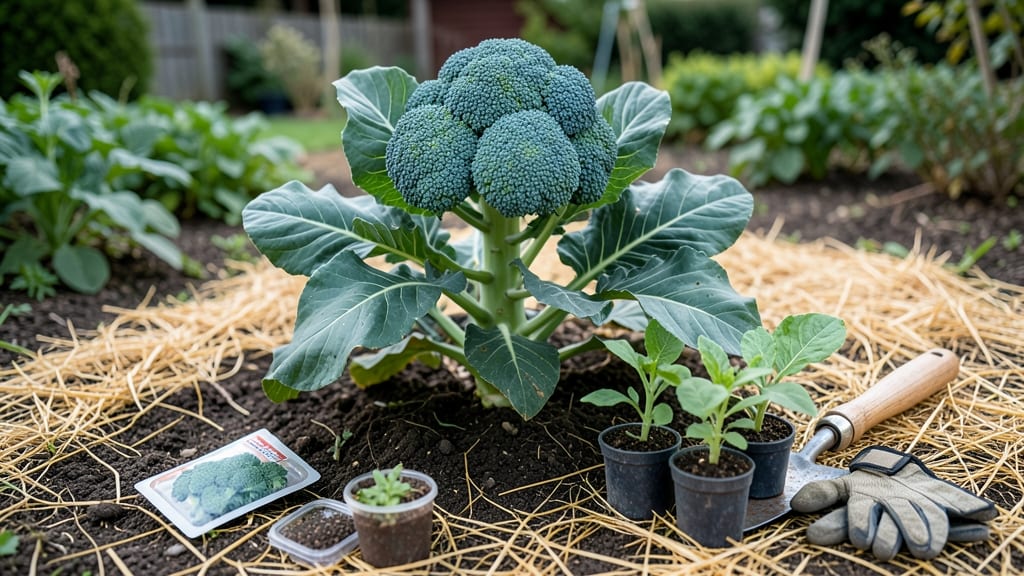
Timing your broccoli 🥦 planting in Colorado isn’t just about the calendar—it’s about outsmarting the high-altitude weather that can turn your garden dreams into a bolting disaster.
Plant too early, and a late frost will wipe out your seedlings; too late, and your plants will race to flower before you even get a harvest. The key?
Nailing those late March to mid-April or mid-August to early September windows when soil temps and daylight align just right for Colorado’s USDA zones 5-7.
I’ve grown broccoli in Colorado for years, and the difference between a thriving crop and a sad, bolted mess comes down to one thing: preparation.
Whether you’re in Denver’s Front Range or the high plains, the right variety, soil prep, and frost timing can mean the difference between a bountiful harvest and a wasted season. Let me show you exactly how to set your broccoli up for success—no guesswork, just proven strategies.
Most gardeners focus only on spring planting, but fall broccoli can be just as rewarding—if you know the tricks. The secret? Choosing heat-tolerant varieties and planting at the perfect moment to avoid the early October frosts that sneak up faster than you think.
I’ll walk you through the exact steps, from soil temperature checks to shade cloth timing, so your broccoli stays happy and productive all season long.
Ready to grow broccoli that actually thrives in Colorado’s unpredictable climate? By the end of this guide, you’ll know exactly when to plant, what to watch for, and how to keep your plants from bolting before their time.
No more wasted seeds or disappointed harvests—just a garden full of crisp, flavorful broccoli heads.
Best planting windows for broccoli in Colorado’s growing zones 4-7
Colorado’s diverse growing zones—from Denver’s Zone 5 to the high plains’ Zone 4—mean your broccoli planting schedule must account for elevation, frost dates, and soil warmth. The key is planting 4-6 weeks before the last frost in spring or 90-100 days before the first frost in fall.
For most of Colorado, that’s late March to mid-April for spring and mid-August to early September for fall harvests.
High-altitude areas like Colorado Springs (Zone 5) or Fort Collins (Zone 4) have shorter growing seasons, so aim for early spring starts indoors or heat-tolerant varieties in fall.
Rural areas with cooler nights (e.g., Grand Junction, Zone 6) can extend fall planting slightly later, but watch for early October frosts.
Here’s your zone-by-zone breakdown with exact timing, frost thresholds, and soil prep tips to avoid common pitfalls like bolting or frost damage.
| Zone | Last Frost Date | Spring Planting Window | Fall Planting Window | Soil Temp Threshold | Key Tip |
|---|---|---|---|---|---|
| Zone 4 (e.g., Fort Collins) | May 10–15 | April 1–15 (start indoors March 1) | August 15–30 | 45°F+ (7°C+) | Use row covers for early spring. |
| Zone 5 (e.g., Denver) | May 1–5 | March 20–April 10 | August 1–20 | 40°F+ (4°C+) | Plant heat-tolerant varieties for fall. |
| Zone 6 (e.g., Colorado Springs) | April 25–May 5 | March 1–April 1 | August 10–September 5 | 38°F+ (3°C+) | Extend season with shade cloth in summer. |
| Zone 7 (e.g., Grand Junction) | April 15–20 | February 20–March 15 | August 20–September 15 | 42°F+ (5°C+) | Plant succession crops every 2 weeks. |
For Denver gardeners (Zone 5), I recommend starting seeds indoors by March 1 and transplanting outdoors after April 15, when soil temps hit 45°F (7°C).
In Colorado Springs (Zone 6), you can push spring planting to March 15 thanks to cooler nights, but always harden off seedlings first to avoid transplant shock.
Fall planting is trickier in Colorado’s short growing season. In Zone 4–5, aim for mid-August to give broccoli 90 days to mature before frost. Use black plastic mulch to warm soil and extend the season by 1–2 weeks.
In Zone 6–7, you can plant as late as early September, but monitor nighttime temps—broccoli bolts when exposed to consistent temps above 80°F (27°C).
Pro tip: Test your soil’s pH (aim for 6.0–7.0
How to avoid bolting: Colorado-specific tips for slow-growing broccoli
Colorado’s sudden heat spikes can turn your broccoli into a flowering disaster faster than you can say “first frost.” When daytime temps hit 75°F+, broccoli plants go into bolting mode, sending up bitter stems instead of the tender heads you planted for.
The good news? With the right strategies, you can trick your broccoli into staying cool and productive all season long—even in our unpredictable climate.
I’ve learned the hard way that shade cloth, watering discipline, and variety selection are your best defenses against bolting. For example, the ‘Waltham 29’ variety handles Colorado’s heat better than most, while ‘De Cicco’ matures quickly enough to avoid summer’s worst.
But timing matters just as much as the seeds you choose—plant too late, and you’ll still end up with bolted plants.
Here’s the secret: Slow growth equals fewer bolting triggers. By combining cover crops, consistent moisture, and strategic shade, you can stretch Colorado’s short growing season into a broccoli bonanza. Let’s break down the exact steps to keep your plants happy and harvest-ready.
⚠️ NON-NEGOTIABLE: Colorado’s Bolting Warning Signs ⚠️
❄️ Frost Damage: Planting too early? A late frost (common in Zone 5 areas like Fort Collins) can stunt growth, making plants more susceptible to bolting when warm weather finally arrives.
💧 Watering Mistakes: Inconsistent moisture (drought followed by heavy watering) sends broccoli into survival mode—it’ll bolt to reproduce. Deep, frequent watering is non-negotiable in Colorado’s dry air.
⏳ Slow Start: If your seedlings take longer than 3 weeks to establish, they’ll struggle to catch up when summer heat hits. Use row covers in early spring to accelerate growth.
To prevent bolting, start with shade cloth—I swear by 30-50% shade during June and July, when Colorado’s heat peaks. Install it by late May and remove it in early September to let plants harden off before fall frosts.
Pair this with drip irrigation set to 1-2 inches of water per week, always in the early morning to avoid fungal issues.
For variety selection, prioritize heat-tolerant types like ‘Belstar’ or ‘Green Gems’. These mature in 50-60 days, giving them a fighting chance in Colorado’s short season.
If you’re planting in Zone 6 or 7 (like Colorado Springs), stick to fall plantings—they avoid the worst heat while still yielding before frost.
Finally, don’t skip cover crops like clover or vetch in between broccoli plantings. They improve soil moisture retention and add nitrogen, which helps broccoli grow slow and steady—the exact opposite of bolting.
Use this checklist after planting to stay on track: - ☑️ Apply mulch (straw or wood chips) to keep roots cool - ☑️ Monitor soil temps—below 80°F is ideal for broccoli - ☑️ Fertilize lightly with fish emulsion every 4 weeks - ☑️ Harvest side shoots to encourage new growth