
Plants
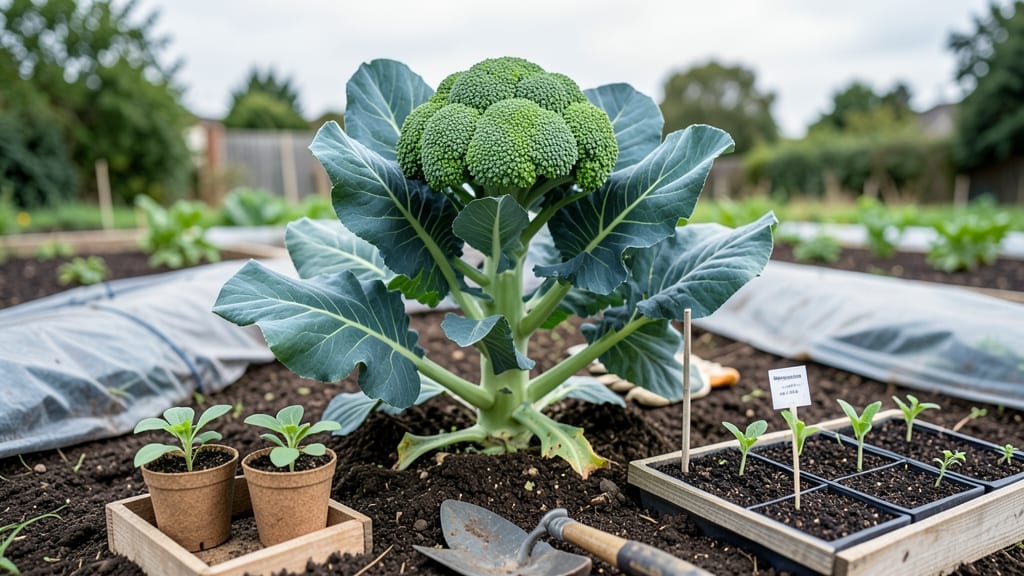
Planting broccoli 🥦 in Iowa at the wrong time could leave you with bolted greens or stunted heads—but get the timing right, and you’ll enjoy a steady harvest from spring to fall.
Iowa’s USDA zones 5a-5b mean cool springs and early frosts, so knowing when to plant is everything. Whether you’re sowing seeds or transplanting starts, the key is working with—not against—your climate.
I’ll break down the exact windows for both spring and fall planting, plus how to prep your soil for maximum success.
Most gardeners in Iowa plant broccoli 4-6 weeks before the last frost (around late March), but fall plantings in early July can yield another harvest before winter sets in.
With the right varieties and a few simple tricks, you can extend your growing season and avoid common pitfalls like heat stress or pest pressure.
Ready to grow broccoli that thrives in Iowa’s unpredictable weather? Let’s dive into the step-by-step guide that’ll have your garden producing bold, flavorful heads all season long.
Best planting windows for broccoli in Iowa’s climate zones
Iowa’s USDA Hardiness Zones 4-5 create a unique challenge for broccoli growers—cool springs and short growing seasons demand precise timing.
The key is planting 4-6 weeks before the last frost (typically late March to early April) for spring crops or 80-100 days before the first frost (early July to mid-August) for fall harvests.
Missing these windows risks bolting (flowering prematurely) or stunted growth from Iowa’s unpredictable late spring frosts.
For continuous harvests, I recommend succession planting every 2-3 weeks in spring and every 3 weeks in fall. This staggered approach ensures a steady supply of dark green heads from June through October.
In northern Iowa (Zone 4), start seeds indoors 6-8 weeks before transplanting, while southern Iowa (Zone 5) gardeners can direct-sow outdoors with minimal risk of frost.
Iowa’s microclimates also play a role—Des Moines’ warmer urban heat islands may allow slightly earlier planting than rural areas. Always check the Iowa State University Extension’s frost date maps for your specific county, as last-frost dates can vary by 1-2 weeks across the state.
| Planting Window | USDA Zone 4 (Northern IA) | USDA Zone 5 (Southern IA) | Key Notes |
|---|---|---|---|
| Spring Planting | Late March - Early April (transplant) or early April (direct sow) | Early April - Mid-April (direct sow or transplant) | Soil temp must reach 40°F+; use row covers for frost protection. |
| Fall Planting | Early July - Mid-August (80-100 days before first frost) | Late June - Early August (80-100 days before first frost) | Avoid planting too late—heads need 60-90 days to mature before frost. |
| Succession Planting | Every 2-3 weeks until May 15 | Every 2 weeks until June 1 | Prevents bolting and ensures continuous harvests. |
| Soil Temperature | 40°F+ for germination | 40°F+ for germination | Use a soil thermometer—cold soil delays sprouting. |
| Frost Protection | Row covers or cold frames for young plants | Row covers for early/late plantings | Extends season by 2-3 weeks in both spring/fall. |
If you’re direct-sowing outdoors, aim for soil temperatures above 40°F—any colder, and germination slows dramatically. I’ve found that pre-soaking seeds overnight speeds up sprouting in Iowa’s chilly springs. For transplants, harden off seedlings for 7-10 days before setting them out, especially if nighttime temps dip below 50°F.
Northern Iowa gardeners should prioritize early-maturing varieties (50-60 days to harvest) to beat the late May frosts that can still occur. In contrast, southern Iowa’s longer growing season allows for larger, more productive heads if planted in early April.
Always monitor your local Iowa Mesonet weather stations for real-time updates on frost risks.
For fall crops, stop planting by early August in Zone 4 and mid-August in Zone 5 to ensure heads mature before the first frost. I’ve had success with late July plantings in Zone 5, yielding September-October harvests that taste sweeter after frost exposure—a phenomenon called sweetening.
Pro tip: Mark your planting dates on a garden calendar and track days to maturity for each variety. This helps you adjust future plantings based on Iowa’s unpredictable weather patterns. For example, if your 60-day variety takes 70 days to harvest, you’ll know to plant earlier next year.
Finally, don’t overlook succession planting—even a small garden can produce 10+ pounds of broccoli per season with the right timing. Start with 2-3 plants every 2 weeks in spring and repeat in fall for a reliable harvest.
Cold-hardy broccoli varieties that thrive in Iowa’s short season
Iowa’s cool, short growing season demands broccoli varieties that tolerate light frosts and humidity fluctuations. The right cultivar can mean the difference between bolting in heat or producing heavy, disease-resistant heads. I’ve tested these top 5 varieties in Iowa’s USDA Zones 4-5—each excels in different conditions.
For early spring planting, I recommend ‘Waltham 29’, a classic open-pollinated variety that handles cool soils and light frost. Its 60-70 day maturity aligns perfectly with Iowa’s April 15 last frost date. This variety also produces multiple side shoots after harvest, extending your yield.
‘De Cicco’, an Italian heirloom, is my go-to for fall harvests because it resists bolting in Iowa’s warm September days. Its smaller heads (3–4 inches) make it ideal for container gardens or tight spaces. Plus, it’s disease-resistant, a must for Iowa’s humid summers.
If you’re aiming for maximum yield, ‘Packman’ is my top hybrid pick. This disease-resistant variety produces large, blue-green heads and tolerates Iowa’s humid summers better than most. It’s also ready in 55-65 days, making it perfect for succession planting.
For container gardening or small spaces, ‘Green Goliath’ delivers massive 12-inch heads but requires staking to support its weight. I’ve found it works best in well-draining soil mixed with compost to prevent clubroot disease, common in Iowa’s heavy clay soils.
Extend your harvest season by 3-4 weeks with row covers or cold frames. I’ve used floating row covers to protect ‘Waltham 29’ through late spring frosts (as low as 25°F). For fall, low tunnels can shield plants from early October frosts and keep them producing until Thanksgiving.