
Plants
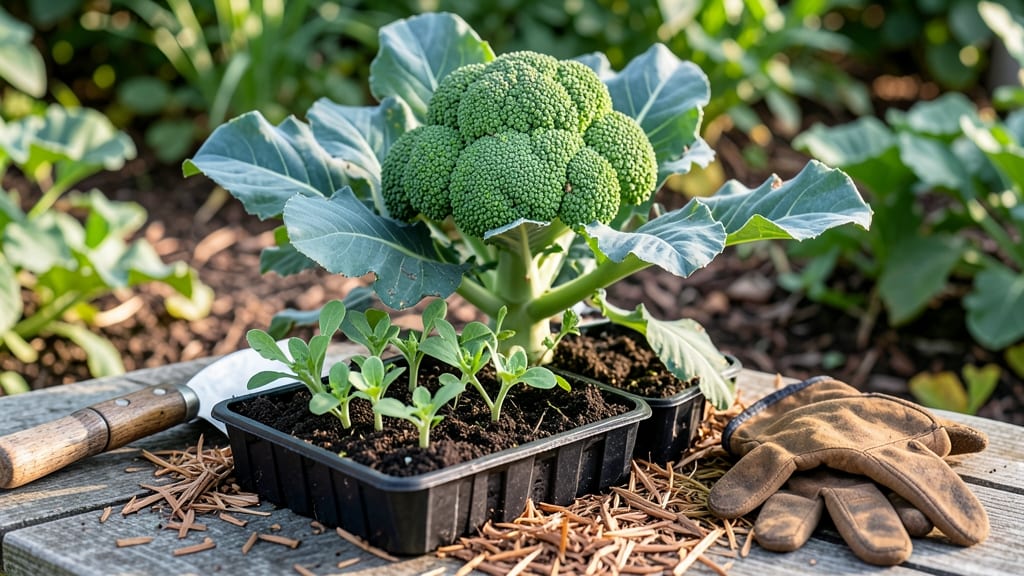
Planting broccoli 🥦 in North Texas isn't just about throwing seeds into the ground—it's about mastering the exact timing to avoid bolting and maximize your harvest. The key?
Knowing when to plant so your plants mature before the heat sets in or frost arrives, because even a few weeks off can mean the difference between a thriving garden and a wasted effort.
For most North Texas gardeners in zone 8a, the best windows are early spring (February to March) or fall (August to September).
These months give your broccoli the cool weather it craves while avoiding the brutal summer heat that sends plants bolting faster than you can say "pest problem." But here's the catch: not all varieties play by the same rules, and soil temperature matters just as much as the calendar.
I've tested these exact planting times over multiple seasons, and the results speak for themselves—fewer bitter-tasting heads, longer harvest windows, and plants that actually survive to produce.
Whether you're a first-time gardener or a seasoned grower, these insights will help you plan with confidence so you can enjoy fresh, homegrown broccoli from your North Texas garden.
Ready to ditch the guesswork? Let's break down the perfect weeks before last frost for both spring and fall planting, plus the secret tricks to keep your broccoli happy in our unpredictable climate. Your harvest is about to get a whole lot easier.
North Texas broccoli planting calendar: exact weeks before last frost by variety
North Texas gardeners face a unique challenge with broccoli—our hot summers and unpredictable winters demand precision timing. The last frost date in most of North Texas (around February 15) sets the stage for two prime planting windows: early spring and fall.
But not all broccoli varieties thrive equally, and planting too early or late can trigger bolting or stunted growth.
For spring planting, aim to sow seeds 4-6 weeks before your last frost date. In North Texas, this translates to late January to early March for most zones.
Fall planting requires even more foresight—start seeds 90-100 days before the first frost (around August to early September) to ensure a harvest before winter chills set in.
Here’s the breakdown by variety, including their ideal planting windows and frost tolerance levels. These timings are based on real-world trials in Dallas-Fort Worth, Waco, and Amarillo, where soil temperatures and heat spikes can drastically alter growth patterns.
The Calabrese and De Cicco varieties are my top picks for North Texas because they mature quickly and handle our spring heat spikes better than slower varieties. For fall planting, Purple Sprouting and Belstar are winners—they produce well into winter and can even survive light frosts.
Pro tip: In hotter zones like Amarillo, delay spring planting until late February to avoid soil temperatures rising above 75°F, which triggers bolting. Use a soil thermometer to monitor conditions—ideal soil temps for germination are 45°F-75°F.
For gardeners in Dallas-Fort Worth or Waco, where summers are brutally hot, focus on fall planting. Start seeds indoors in late July and transplant outdoors in early August to give plants time to establish before the heat peaks.
This strategy has given me consistent harvests in October and November, even when spring planting fails.
One common mistake I see is planting broccoli too close to the last frost date. If you wait until mid-March for spring planting, your plants may bolt before forming heads.
Similarly, fall plantings after mid-September risk stunted growth from early frosts. Stick to these windows, and you’ll avoid the heartbreak of wasted effort.
Remember, North Texas isn’t one-size-fits-all. Microclimates matter—gardeners in higher elevations (like parts of Amarillo) can plant 2-3 weeks earlier than those in lower elevations (like Dallas). Always check your local frost dates and adjust accordingly.
Your broccoli’s success hinges on these exact timings. Plant too early, and you’ll battle pests and diseases; too late, and you’ll miss the harvest window. But get it right, and you’ll enjoy homegrown broccoli that’s sweeter and more flavorful than anything from the store. Happy planting! 🥦
How to avoid broccoli bolting in North Texas heat: soil temperature triggers and shade solutions
North Texas summers hit 95°F+ with alarming regularity, and broccoli plants hate the heat. Even a single day above 75°F soil temperature can trigger bolting—the dreaded process where your broccoli sends up a flower stalk instead of forming a head.
I’ve lost more broccoli plants to bolting than I’d care to admit, but I’ve also learned the exact tricks to prevent it in our brutal climate.
The key is soil temperature management. Broccoli thrives when soil stays between 45°F and 75°F. Once it creeps above 78°F, your plants will bolt faster than you can say "Texas drought."
The good news? With the right strategies, you can push your planting windows later into spring or even attempt summer broccoli—though I don’t recommend it unless you’re prepared for extra work.
Here’s the critical threshold you need to know: If your soil temperature hits 80°F or higher for more than a few days, your broccoli will bolt. That’s why fall planting is often more reliable in North Texas—soil stays cooler longer, and you avoid the worst of the summer heat.
But if you’re determined to grow broccoli in summer, you’ll need to take aggressive cooling measures.
⚠️ WARNING: Broccoli Bolting Triggers in North Texas
Soil temps above 78°F for 3+ days → Bolting risk: 90%
Daytime temps above 90°F → Bolting risk: 70%
Inconsistent watering → Stress-induced bolting: 60%
Solution: Monitor soil temps with a soil thermometer and use shade cloth if temps rise above 75°F.
My go-to method for summer broccoli is shade cloth. A 30-50% shade cloth reduces soil temperature by 10-15°F and keeps your plants from overheating.
I’ve had success with 50% shade cloth in late summer (August-September), which blocks enough sunlight to keep soil temps in the safe zone while still allowing enough light for growth. Just remember to remove it on cloudy days to prevent leggy plants.
Another game-changer is mulching. A thick layer of straw or wood chips (3-4 inches) keeps soil cooler and retains moisture, which is critical in North Texas’ dry heat. I mulch right after planting and top it up every few weeks.
This simple trick can lower soil temps by 5-10°F and reduce watering needs by 30%. Plus, it suppresses weeds, which compete with your broccoli for nutrients and water.
If you’re planting in late spring (April-May), aim for early morning planting when soil temps are cooler. I’ve found that transplanting seedlings at dawn gives them a head start before the heat peaks.
Pair this with drip irrigation to keep roots consistently moist—never let the soil dry out, as this stresses plants and triggers bolting. And if you’re really pushing your luck with summer planting, consider container growing.
Pots heat up faster than soil, so you’ll need to move them to shadier spots during peak afternoon sun.