
Plants
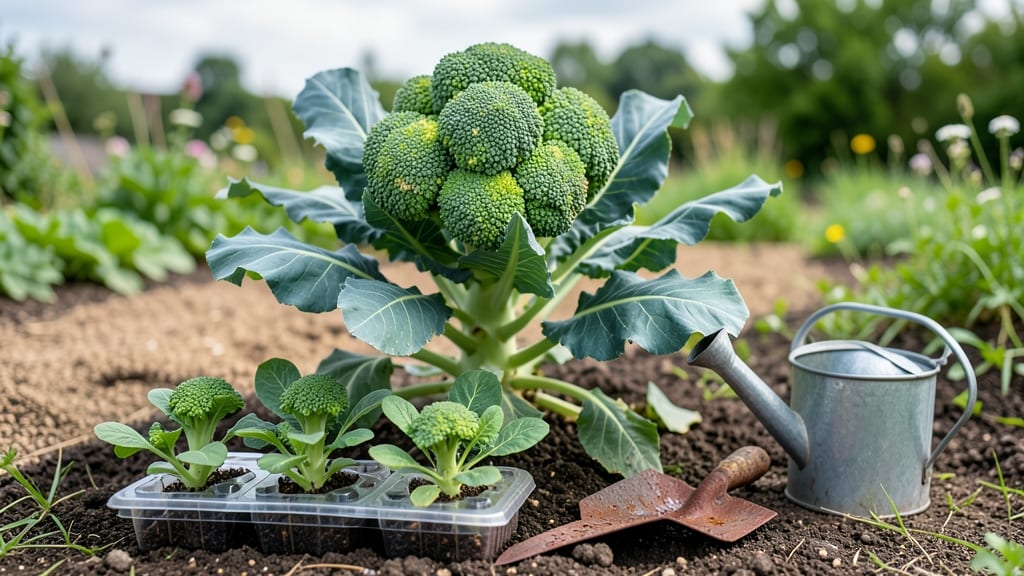
Timing your 🥦 broccoli planting in Utah wrong could mean bolting plants or frost-damaged crops—but getting it right unlocks a bounty of crisp, flavorful heads. The key lies in Utah’s dramatic elevation shifts, where desert valleys and high mountain zones demand completely different strategies.
Most gardeners in Utah’s 5b-7a zones know spring planting starts in March-April, but the real magic happens with fall crops too. While Salt Lake City might be ready by early August, rural areas like Moab need to wait until September to avoid premature bolting.
I’ll break down the exact frost-free deadlines by elevation, plus Utah-specific tricks like shade cloth for desert heat and succession planting to stretch your harvest. Whether you’re a first-time gardener or a veteran grower, these insights will help you time your 🥦 broccoli perfectly for Utah’s unpredictable climate.
Ready to grow broccoli that thrives? Let’s dive into the planting windows, soil prep, and variety choices that actually work in Utah’s diverse growing conditions.
Utah’s broccoli planting deadlines by elevation Zone (with frost charts)
Utah’s three distinct elevation zones—Low Desert, Valley, and High Mountain—each demand unique planting windows for broccoli. In the Low Desert (e.g., St. George), where frost is rare, you can start seeds as early as February 15 for spring harvests.
Meanwhile, in Valley regions (e.g., Salt Lake City), wait until March 15 to avoid frost damage. High Mountain areas like Park City require patience, with planting delayed until April 15 to align with later frost dates.
Timing is critical because broccoli bolts (prematurely flowers) when exposed to heat or cold stress. Utah’s variable microclimates mean a 3-week difference in planting deadlines between southern and northern regions.
For example, Moab’s desert climate allows for two harvests per year, while Ogden’s cooler valleys may only support one.
Here’s the key rule: Plant broccoli 4-6 weeks before your area’s average last frost date, or 90-120 days before the first frost for fall crops.
Utah’s USDA Zones 5b-7a add another layer of complexity—Zone 7a (southern Utah) can push spring planting to March 1, while Zone 5b (northern Utah) may need to wait until April 15.
Utah Broccoli Planting Deadlines by Elevation Zone
| Zone | Last Frost Date | Spring Planting Window | Fall Planting Window | Key Cities |
|---|---|---|---|---|
| Low Desert (Zone 7a-8a) | Feb 15 - Mar 1 | Feb 15 - Mar 15 | Aug 1 - Sep 15 | St. George, Moab |
| Valley (Zone 6a-7a) | Mar 15 - Apr 1 | Mar 15 - Apr 15 | Jul 15 - Aug 30 | Salt Lake City, Provo |
| High Mountain (Zone 5b-6a) | Apr 15 - May 1 | Apr 15 - May 1 | Jul 1 - Aug 15 | Park City, Ogden |
🌱 Pro Tip: Use Utah State University’s frost maps for hyper-local adjustments.
For spring planting, aim to transplant seedlings 2-3 weeks before the last frost. In southern Utah (Zone 7a), this could be as early as March 1, while northern Utah (Zone 5b) may need to wait until April 15.
Fall planting follows the reverse logic: 90-120 days before the first frost. In St. George, this means August 1, but in Ogden, you’ll need to plant by July 15.
Utah’s alkaline soils (common in desert regions) can stunt broccoli growth, so amend soil with compost 4-6 weeks before planting. In high-elevation areas, where nights stay cool, row covers can extend the season by 2-3 weeks.
Conversely, low-desert areas may require shade cloth to prevent bolting during 90°F+ days.
If you’re starting seeds indoors, begin 6-8 weeks before your outdoor planting date. For Low Desert zones, this means January 15, while High Mountain zones should start seeds by February 15.
Use grow lights to supplement Utah’s short winter days, ensuring seedlings get 12-14 hours of light daily.
For fall harvests, prioritize heat-tolerant varieties like ‘De Cicco’ in southern Utah, as summer temperatures can exceed 100°F.
How to adjust broccoli planting for Utah’s microclimates (and avoid bolting)
Utah’s microclimates can turn your broccoli dreams into disaster if you don’t adapt. In low-desert areas like St. George, heat stress causes plants to bolt prematurely, while high-elevation zones like Park City face shorter growing seasons. The key? Adjusting your approach based on where you live.
For hotter, drier regions (USDA zones 7a-8), focus on shade cloth and succession planting. Start seeds indoors in late February and transplant after the April 15 last-frost date, but use 30-50% shade cloth to prevent bolting.
In cooler mountain valleys (zones 5b-6a), plant late-summer seedlings (August) for a fall harvest before first frost.
⚠️ Bolting Warning
Heat + drought = bolting broccoli. If your plants send up flower stalks too early, they’ll taste bitter and produce tiny heads. Fix it by:
- Using mulch (straw or wood chips) to retain moisture
- Watering deeply 2x/week (1-1.5 inches) instead of light daily doses
- Choosing heat-tolerant varieties like ‘De Cicco’ (Italian heirloom)
In urban Utah (Salt Lake Valley), combine strategies: plant spring crops with shade cloth and fall crops with row covers. For example, sow seeds March 1-April 15 for a May-June harvest, then replant August 1-September 15 for a fall crop before October 15 frost.
Don’t forget soil prep—Utah’s alkaline soils (pH 7.5-8.5) need compost or sulfur to lower pH to 6.0-7.0. Mix in aged manure 2 weeks before planting to boost nutrients. Test your soil before planting to avoid nutrient deficiencies that stress plants and trigger bolting.
For high-elevation gardens (above 7,000 ft), extend the season with row covers or cold frames. Plant cold-hardy varieties like ‘Waltham 29’ (tolerates 20°F) and start seeds indoors April 1-May 15 for a July-August harvest.
Pro tip: Use drip irrigation to keep soil moisture consistent—Utah’s dry winds can wick water away faster than you think. And always harden off seedlings for 7-10 days before transplanting to avoid shock.