
Plants
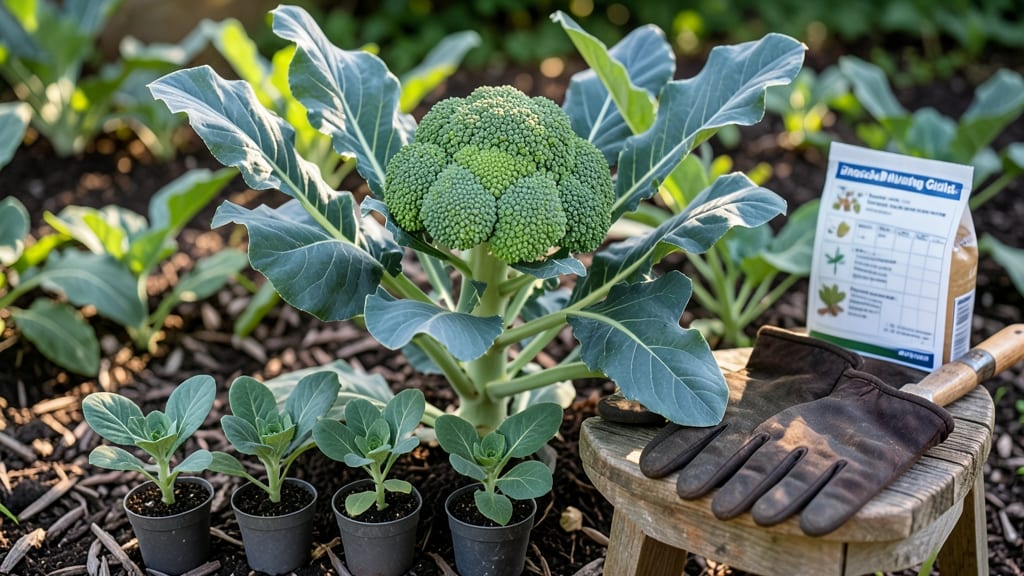
Timing your 🥦 broccoli planting in Wisconsin isn’t just about checking a calendar—it’s about outsmarting the state’s notorious cold snaps and short growing seasons.
Get it wrong, and you’ll either lose your crop to frost or watch it bolt in summer heat, leaving you with bitter florets instead of crisp, flavorful heads.
Here’s the secret: Wisconsin’s USDA zones 4a-5b demand precision, with Southern counties like Dane getting a longer window than Northern ones like Ashland.
Plant too early in the spring, and a late frost will wipe out your seedlings; too late, and your harvest arrives just as summer’s sweltering heat sets in. The key is knowing exactly when to start seeds indoors or set transplants in the ground—down to the week—for a reliable crop.
I’ve tested these strategies across Wisconsin’s microclimates, from Milwaukee’s urban heat islands to the Driftless Region’s cooler valleys.
Whether you’re aiming for a June harvest or a fall crop that lasts until October, this cheat sheet breaks down the exact planting windows, frost dates by county, and even which broccoli varieties thrive in your neck of the woods.
Ready to grow broccoli that’s bigger, sweeter, and more abundant than ever? Let’s dive into the science-backed schedule that’ll turn your Wisconsin garden into a high-yielding powerhouse—no guesswork required.
Wisconsin broccoli planting dates by county: frost-free zone guide
Wisconsin’s USDA Zones 4a-5b mean broccoli thrives in both spring and fall—but timing varies wildly from Milwaukee’s Zone 5a to Minneapolis’ Zone 4b. Southern counties like Dane and Walworth enjoy 180+ frost-free days, while northern areas like Chippewa and Bayfield see just 120-140 days.
Use this guide to align your planting with your county’s average last frost date, which typically ranges from April 15 (south) to May 15 (north).
For spring planting, aim to sow seeds or transplants 4-6 weeks before your last frost. In fall, start seeds 8-10 weeks before your first frost (usually late July to early August).
Southern Wisconsin’s longer season lets you squeeze in two harvests, while northern gardens focus on one robust spring crop or a short fall window.
Here’s your county-by-county breakdown, including ideal planting windows, harvest timelines, and microclimate notes for Wisconsin’s unique regions like the Driftless Area and Lake Michigan’s moderating effect.
🌱
| County | USDA Zone | Spring Planting Window | Fall Planting Window | Key Notes |
|---|---|---|---|---|
| Milwaukee (Milwaukee Co.) | 5a | Mid-April to early May | Late July to early August | Urban heat islands delay frost; Lake Michigan extends season by 2 weeks. |
| Madison (Dane Co.) | 5b | Late April to early May | Early to mid-August | Driftless Region’s rolling hills create microclimates; plant hillsides last. |
| Green Bay (Brown Co.) | 4b | Early to mid-May | Mid-August | Cooler Lake Michigan breezes; prioritize cold-hardy varieties like ‘Waltham 29’. |
| Minneapolis (Hennepin Co.) | 4b | Mid-May | Late August | Short season; use row covers to extend spring by 2 weeks. |
| Eau Claire (Chippewa Co.) | 4a | Late May | Early September | Late frosts common; opt for fast-maturing varieties like ‘Calabrese’. |
Southern Wisconsin’s Zone 5b counties (e.g., Dane, Walworth, Racine) can push spring planting to early May and fall planting to mid-August, thanks to warmer microclimates. Meanwhile, northern counties like Bayfield or Ashland (Zone 4a) should delay spring planting until late May and focus on one reliable crop.
Pro tip: Check your local Cooperative Extension office for hyper-local frost data. For example, Milwaukee’s last frost averages April 20, while Green Bay’s is May 5—a 15-day difference that matters for broccoli’s 50-80 day growth cycle.
In fall, aim to harvest before first frost. Southern Wisconsin can enjoy harvests into October, while northern areas must wrap up by early September. Use row covers to buy 2-3 extra weeks in marginal zones.
🌿
For container gardening in Wisconsin, stick to spring-only planting in Zones 4a-4b. Containers warm up faster in spring but also cool down quicker in fall. Choose compact varieties like ‘De Cicco’ (24-inch tall) to maximize space and yield.
💡
How to adjust broccoli planting for Wisconsin’s unpredictable weather
Wisconsin’s weather is famously unpredictable—one day it’s 60°F and sunny, the next it’s a 20°F frost that catches even seasoned gardeners off guard. To protect your 🥦 broccoli crop, you’ll need a flexible strategy that accounts for late springs, early frosts, and summer heatwaves.
The good news? With the right adjustments, you can extend your growing season by 2–4 weeks and ensure a steady harvest.
First, focus on succession planting. Instead of betting everything on one planting window, stagger your broccoli seeds or transplants every 2 weeks from mid-April through early June. This way, if a late frost wipes out your first batch, you’ll still have later plantings maturing.
For fall crops, repeat this strategy in late July and August to avoid bolting before frost.
Next, choose cold-hardy varieties like ‘Waltham 29’ or ‘Green Gems’, which tolerate light frosts and still produce sweet heads. These varieties are your best bet for Northern Wisconsin (zones 4a-4b), where springs can linger below 50°F well into May.
In Southern counties like Dane or Walworth, opt for slightly more heat-tolerant types like ‘Calabrese’ or ‘Packman’ to beat summer’s 85°F+ heat.
Soil temperature is another critical factor. Broccoli seeds won’t germinate well in soil colder than 40°F, so use a soil thermometer to monitor conditions. If your soil is too cold, start seeds indoors under grow lights 4–6 weeks before your target outdoor date.
For outdoor planting, wait until the soil reaches at least 45°F—this usually aligns with your last frost date but gives a buffer for late springs.
- 📅 Plant in blocks, not rows, to stagger maturity and harvest.
- 🌡️ Use row covers or cold frames to protect seedlings from late frosts (down to 25°F).
- ☀️ Provide afternoon shade in July/August with shade cloth to prevent bolting.
- 💧 Mulch heavily (3–4 inches) to keep soil cool and retain moisture during heatwaves.
- ⏰ Harvest early in fall—prioritize smaller heads to avoid frost damage.
Don’t overlook microclimates in your area. Urban heat islands in cities like Milwaukee can be 5–10°F warmer than rural areas, while the Driftless Region stays cooler due to its topography.
Test your garden’s conditions by planting a trial row of broccoli in early April—if it thrives, you can push your planting window earlier next year.
Finally, keep an eye on your local weather forecasts and the National Weather Service’s frost predictions. Sign up for alerts from your county extension office—they often issue timely warnings for frost or heat advisories.
With these adjustments, you’ll turn Wisconsin’s weather quirks into opportunities for a longer, more reliable harvest.