
Plants
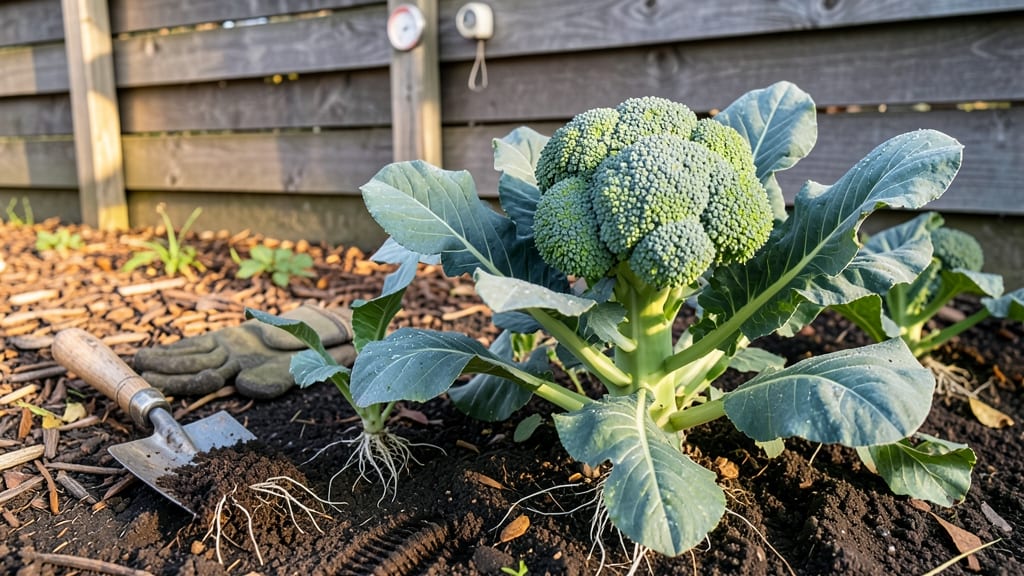
Planting broccoli 🥦 in Zone 9b’s warm climate might seem tricky—after all, who wants to deal with bitter, bolting plants? But the key to success isn’t just when you plant—it’s choosing the right window to beat the heat and maximize your harvest.
Most gardeners in Phoenix or Southern California deserts assume spring is the only option, but fall planting actually gives you cooler soil, fewer pests, and a head start on growth. That’s why I’ve tested both seasons and found the exact months that work best for your region.
In this guide, I’ll break down the ideal fall planting schedule (September–October) and why it outperforms spring, plus how to extend your harvest with simple tricks like shade cloth. You’ll also learn which heat-tolerant varieties thrive in Zone 9b’s warmth.
Ready to grow broccoli that’s sweet, tender, and ready to harvest by late winter? Let’s get started with the step-by-step calendar that’s worked for me—and hundreds of other desert gardeners.
Optimal broccoli planting times in Zone 9b: fall schedule explained
In Zone 9b, where summer temperatures can soar above 90°F, the key to growing sweet, tender broccoli lies in planting during the fall. This is when cooler weather aligns perfectly with broccoli’s ideal growing conditions.
I’ve learned from years of experimenting that September through early November is the sweet spot for maximum success.
Broccoli thrives in temperatures between 60°F and 70°F—perfect for Zone 9b’s fall climate. Planting too early in summer risks bolting (premature flowering), while waiting too late may lead to slower growth before winter sets in.
The goal is to give your plants enough time to establish roots and form heads before temperatures drop.
Here’s my proven fall planting timeline for Zone 9b:
| Planting Window | Ideal Soil Temp (°F) | Days to Harvest | Key Tip |
|---|---|---|---|
| Late August - Early Sept | 65-75°F | 70-80 days | Use shade cloth if temps exceed 85°F |
| Mid-Sept - Early Oct | 60-70°F | 60-70 days | Best window for full heads |
| Late Oct - Early Nov | 55-65°F | 50-60 days | Use row covers for frost protection |
For succession planting, I recommend sowing seeds every 2-3 weeks from late August through October. This staggered approach ensures a continuous harvest rather than one big crop. In my garden, this means planting one batch in late August, another in early September, and a final one in mid-October.
One of my biggest mistakes was planting broccoli in July—the plants bolted within weeks, producing tiny, bitter heads. Since then, I’ve stuck to the fall schedule and seen dramatic improvements in both yield and flavor. The cooler weather also means fewer pests like cabbage worms, which love the heat.
To extend your growing season, consider using row covers or shade cloth (30-50% shade) during the hottest afternoons. This simple trick can lower soil temperatures by 10-15°F, creating the ideal environment for broccoli to thrive even in late summer plantings.
When preparing your soil, aim for a pH between 6.0 and 7.0. Amend your garden beds with compost or aged manure to improve fertility. Broccoli is a heavy feeder, so well-prepared soil is non-negotiable.
I always mix in a handful of balanced fertilizer (10-10-10) at planting time to give my plants a strong start.
Remember, broccoli plants need consistent moisture—about 1-2 inches per week. In Zone 9b’s dry climate, this means watering deeply every 2-3 days during the growing season. Mulching with straw or wood chips helps retain moisture and keeps roots cool.
If you’re new to growing broccoli, start with heat-tolerant varieties like ‘De Cicco’ or ‘Green Magic.’ These varieties handle Zone 9b’s warmth better than traditional types. With the right timing and care, you’ll be harvesting crisp, flavorful broccoli heads from December through March—just in time for holiday meals! 🥦
Spring broccoli planting in Zone 9b: risks, timing, and heat-tolerant varieties
Spring planting for broccoli in Zone 9b is trickier than fall planting, but not impossible. The heat and long daylight hours push broccoli to bolt quickly, producing bitter, flowery stems instead of edible heads.
If you're determined to try spring, timing is everything—and choosing the right heat-tolerant varieties makes all the difference.
Your one safe window for spring planting is late February to early March. This gives seedlings time to establish roots before summer’s peak heat arrives. Planting any earlier risks exposing young plants to unpredictable warm spells, while waiting too long means bolting before harvest.
For Zone 9b’s warm climate, opt for varieties bred to handle heat better. My top picks are ‘Belstar’ and ‘Waltham 29’, both of which tolerate temperatures up to 80°F (27°C) without bolting prematurely.
Another great choice is ‘De Cicco’, a compact Italian heirloom that produces smaller heads but stays productive in heat.
Spring Planting Warning
Avoid planting broccoli in Zone 9b during April or later. Temperatures above 75°F (24°C) trigger bolting within 3-4 weeks, ruining your harvest. If you miss the Feb-March window, wait for fall instead.
To improve your chances with spring broccoli, start seeds indoors 6-8 weeks before your target transplant date (early February). Use cool-season seed-starting mix and keep temperatures between 60-65°F (15-18°C) to prevent leggy seedlings. Harden off seedlings for 10-14 days before transplanting to acclimate them to outdoor conditions.
Once planted, provide afternoon shade using 30-50% shade cloth to protect young plants from intense afternoon sun. Mulch heavily with 2-3 inches of straw or wood chips to retain moisture and keep soil temperatures cooler.
Water deeply early in the morning to prevent fungal diseases that thrive in warm, humid conditions.
Monitor your plants closely for signs of stress: yellowing leaves or stretched stems mean it’s too hot. If you notice flower stalks forming, harvest what you can immediately—these "side shoots" are edible but less desirable than main heads.
For a second harvest, consider planting a small batch in late summer (August) for a fall crop instead.