
Plants
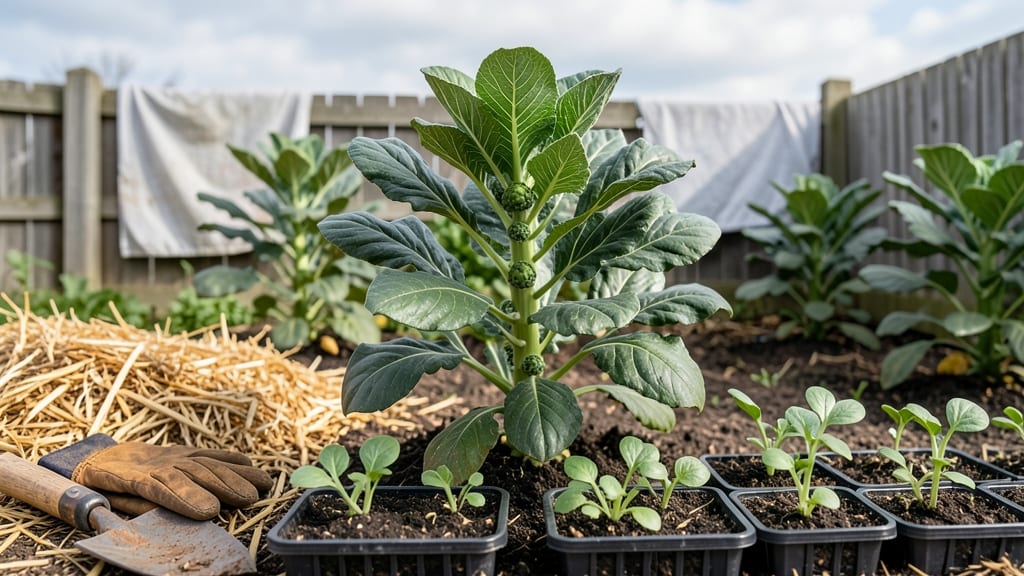
Planting Brussel sprouts 🥦 in Arkansas isn’t just about dropping seeds in the dirt—it’s about outsmarting the state’s unpredictable heat and frost swings.
Miss the two key planting windows, and you’ll either bake your crop in July’s 90°F+ days or lose it to November frost before the sprouts even form.
I’ve grown these stubborn little cabbages in Arkansas’ 7a-8a zones for years, and here’s the secret: timing them right means your harvest stretches from October through December (or January-February for fall plantings).
The difference between a zero-frost bounty and a failed garden comes down to planting 4-6 weeks before your first frost—not the calendar date.
Let’s break it down: Spring plantings go in mid-March to early April, while fall starts late July to early August. But Arkansas’ microclimates—think the cooler Ozark highlands versus the Delta’s humidity—mean your exact dates might shift by 1-2 weeks.
I’ll show you how to adjust for your corner of the state.
Ready to avoid the two biggest mistakes Arkansas gardeners make? We’ll cover soil prep, heat tolerance tricks, and when to start seeds indoors to beat the clock. Your perfectly timed Brussels sprouts are just a few adjustments away.
Arkansas planting zones for Brussels sprouts: heat Zone deadlines by region
Arkansas spans USDA zones 6b through 8a, and your Brussels sprouts planting window shifts dramatically between the cool Ozark highlands and the humid Delta region. The key? Planting 4-6 weeks before your first frost—not the calendar date.
In Zone 7a (Little Rock), that’s mid-March to early April for spring, while Zone 8a (El Dorado) can start 2 weeks earlier.
Fall plantings follow the same logic but work backward from your first frost date. Most of Arkansas sees frost by November 15, so aim for late July to early August plantings.
The Delta’s warmer microclimate lets you push this to early September, but the Ozarks demand earlier starts to avoid summer heat stress.
Here’s the region-specific breakdown you need to avoid bolting or frost loss:
| Region | USDA Zone | Spring Planting Window | Fall Planting Window | Last Frost |
|---|---|---|---|---|
| Northwest Arkansas (Fayetteville) | 7a | Late March - Early April | Late July - Early August | April 1 |
| Central Arkansas (Little Rock) | 7b | Mid-March - Late March | Late July - Early August | March 15 |
| Southeast Arkansas (Jonesboro) | 7b-8a | Early March - Mid-March | Early August - Mid-August | March 1 |
| Delta Region (El Dorado) | 8a | Late February - Early March | Early August - Early September | February 15 |
Notice how the Delta’s later frost dates let you plant 6 weeks earlier than the Ozarks? That’s why I always check my local frost calendar—not just the USDA zone. For example, Fayetteville’s cooler nights mean Brussels sprouts bolt faster in May, while El Dorado’s humidity slows early growth.
Pro tip: If you’re in Zone 7a-7b, start seeds indoors by February 15 for spring plantings. The 100-day growing season for Brussels sprouts leaves zero room for error—delaying by even 10 days risks a frost-nipped harvest. I’ve lost entire crops in the Ozarks by planting too late!
For fall harvests, the rule flips: Plant 8-10 weeks before first frost. That means late July starts in most of Arkansas, but push to early August in the Delta. The goal? Let sprouts mature before December’s hard frosts hit.
One more Arkansas-specific trick: Elevate beds in clay-heavy soils (common in the Delta) to improve drainage. Poor drainage = rotting sprouts. And if your summer heat hits 90°F+, use shade cloth until temps drop below 85°F—or your plants will bolt before forming buds.
Ready to lock in your planting dates? Bookmark this table—your zero-frost Brussels sprouts harvest depends on it! 🥦
Step-by-step planting timeline for zero-frost Brussels sprouts harvests
Brussels sprouts thrive in Arkansas’ cooler months, but their 90-120 day growing cycle demands precision. My foolproof timeline starts with indoor seed starting 4-6 weeks before your last frost date—typically mid-February to early March for most of the state.
Use seed trays with well-draining soil and keep them under grow lights (14-16 hours/day) until seedlings are 3-4 inches tall.
Once your seedlings have 4-6 true leaves, it’s time to harden them off. Place them outdoors in partial shade for 2-3 hours daily, gradually increasing to full sun over 7-10 days. This toughens their stems so they survive Arkansas’ temperature swings between 60°F and 90°F after transplanting.
🌱
📅 Step-by-Step Planting Timeline
- Mid-February: Start seeds indoors with grow lights
- Late March: Harden off seedlings (outdoor acclimation)
- Mid-April: Transplant outdoors after last frost (use row covers if needed)
- June: Mulch heavily to retain moisture during summer heat
- Late July: Begin fall planting (start seeds indoors)
- September: Thin seedlings to 18-24 inches apart
- October-December: Harvest mature sprouts (bottom-up)
⏰ Key Deadline: Plant spring crops by April 15 for harvest before frost.
Transplant your hardened seedlings into the garden 2-3 weeks after your last frost date—usually mid-April for northern Arkansas and early April for southern regions. Space them 18-24 inches apart in rows 30 inches apart to allow airflow and prevent disease in Arkansas’ humid summers.
Amend your clay-heavy soil with compost and sand to improve drainage.
Here’s the secret to beating Arkansas’ heat: mulch heavily with straw or wood chips after transplanting. This keeps roots 5-10°F cooler during July’s 90°F+ days and retains moisture. Water deeply once a week (or more during droughts), focusing on the root zone—not the leaves—to avoid fungal issues.
For a fall harvest, start your second batch of seeds indoors in late July and transplant them mid-August to early September. These plants will mature just in time for October-December harvests before winter frost.
Use floating row covers if temperatures dip below 40°F at night to protect tender sprouts.
Your Brussels sprouts will be ready to harvest when they’re 1-1.5 inches in diameter and deep green. Always pick from the bottom up to encourage more growth. With this timeline, you’ll enjoy fresh, homegrown sprouts from October through December—no grocery store needed!