
Plants
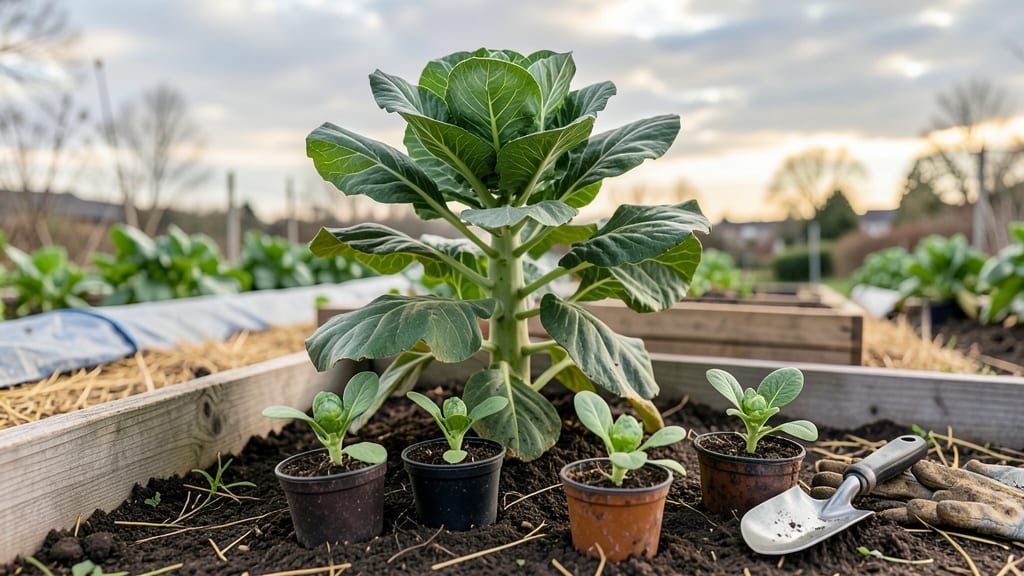
Planting Brussel sprouts 🥦 in Wisconsin isn’t just about timing—it’s about outsmarting the climate to get sweet, flavorful harvests before the first hard frost.
If you miss the window, you’ll end up with bitter, woody sprouts or plants that bolt too early, leaving your garden empty just as winter sets in.
Here’s the secret: Wisconsin’s cool climate actually works in your favor, but only if you plant at the right times—either in late spring for a summer harvest or in early summer for a fall feast.
I’ll break down the exact 4b-5b zone schedule that keeps your 🥦 thriving from October through November, even when temperatures drop.
You’ll learn how to stretch your growing season with smart succession planting, avoid common mistakes that waste your effort, and even protect your crop from late frosts. Whether you’re a first-time gardener or a seasoned green thumb, these tips will help you grow more sprouts with less guesswork.
Let’s dive into the step-by-step schedule that turns Wisconsin’s short growing season into your advantage—so you can enjoy homegrown Brussel sprouts 🥦 fresh from the garden all the way into winter.
Best planting windows for Brussel sprouts in Wisconsin’s climate zones
Wisconsin’s USDA Zones 4b-5b create a unique challenge—and opportunity—for growing Brussel sprouts 🥦. Unlike warmer climates, we can actually grow these cool-weather crops twice a year: once in spring for a summer harvest and again in early summer for a fall bounty.
The key is understanding your last and first frost dates, which vary by region from Milwaukee to Madison and Green Bay.
For most of Wisconsin, the average last frost date falls around April 15, while the first frost typically arrives by October 15. This gives us roughly 165 frost-free days—just enough time to grow Brussel sprouts 🥦 from seed to harvest.
The trick is planting either 60-90 days before the first frost (for fall crops) or transplanting hardened-off seedlings in late March for a summer harvest.
Here’s the breakdown of your optimal planting windows based on Wisconsin’s microclimates, including soil temperature thresholds and transplanting timelines:
| Planting Window | Region-Specific Timing | Soil Temp Requirement | Transplanting Tip |
|---|---|---|---|
| Spring Transplants | Late March to Mid-April (after last frost) | 40°F (4°C) minimum | Hardy seedlings thrive in cool soil |
| Direct Spring Sowing | Early April (cover with row fabric) | 45°F (7°C) minimum | Slow germination; expect 10-14 days |
| Fall Transplants (Primary Harvest) | Early July to Early August | 50°F (10°C) minimum | Avoid bolting with shade cloth |
| Succession Sowing (Extended Harvest) | Every 2-3 weeks until August 1 | 40°F (4°C) minimum | Staggered maturity prevents overproduction |
| Late Summer Direct Sowing | Mid-August (for late fall harvest) | 55°F (13°C) minimum | Use black plastic mulch for warmth |
For Milwaukee gardeners, aim to transplant seedlings by April 1 for a summer harvest or sow seeds directly by July 15 for fall. In Madison, you’ve got a slightly longer window—plant transplants by April 10 or sow seeds by July 10.
Meanwhile, Green Bay’s cooler climate works best with late April transplants or late June sowing to avoid early frosts.
Pro tip: Use a soil thermometer to confirm your soil is warm enough before direct sowing. Brussel sprouts 🥦 won’t germinate well in cold soil—wait until temperatures hit at least 40°F (4°C) for spring plantings or 50°F (10°C) for fall crops.
If your soil is still chilly, start seeds indoors 8-10 weeks before your last frost date for a head start.
Remember, fall crops are your best bet for Wisconsin’s climate—they mature just in time for cool October and November temperatures, which actually sweeten the flavor of your sprouts.
Spring plantings, while possible, often struggle with bolting as summer heat sets in, leading to bitter harvests. Focus on that July-August window for the most reliable results.
One more critical detail: space your plants 18-24 inches apart to prevent overcrowding. Brussel sprouts 🥦 need room to grow their 2-3 foot stalks, and tight spacing leads to poor air circulation—inviting diseases like downy mildew.
Mulch around the base with straw or shredded leaves to retain moisture and regulate soil temperature, especially in Wisconsin’s unpredictable spring and fall.
With these region-specific timelines and soil prep tips, you’ll be well on your way to a bountiful harvest 🥦 that lasts from October through December—even with Wisconsin’s early frosts lurking around the corner.
Best planting windows for Brussel sprouts in Wisconsin’s climate zones
Wisconsin’s USDA Zones 4b-5b offer the perfect cool-season climate for growing Brussel sprouts 🥦, but timing is everything. The key is planting either in late spring for a summer harvest or in early summer for a fall feast.
In most of Wisconsin, your last frost date falls around mid-April, while the first hard frost typically arrives by mid-October.
For a summer harvest, start seeds indoors 8-10 weeks before your last frost (around mid-February) or transplant 4-6 week old seedlings directly into the garden by late March to mid-April.
This gives your plants enough time to mature before Wisconsin’s summer heat sets in. If you prefer a fall harvest, sow seeds directly outdoors between early July and early August.
Here’s how to adapt your planting schedule based on Wisconsin’s microclimates. Southern regions like Milwaukee and Madison have slightly longer growing seasons, while northern areas like Green Bay or Eau Claire need earlier starts to avoid late-season bolting.
| Region | Last Frost Date | Spring Planting Window | Fall Planting Window | Harvest Window |
|---|---|---|---|---|
| Southern WI (Milwaukee, Madison) | Mid-April | Late March - Mid-April | Early July - Early August | Late September - November |
| Central WI (Waukesha, Fond du Lac) | Early April | Late March - Early April | Late June - Early July | Mid-September - October |
| Northern WI (Green Bay, Eau Claire) | Late April | Early April - Mid-April | Mid-June - Late June | Early September - October |
To maximize your yield, aim for a 90-day growing season from transplanting to harvest. In Wisconsin, this means starting seeds indoors by mid-February for a spring crop or sowing directly outdoors by early July for a fall harvest.
If you’re in a shorter-season zone, opt for compact varieties like ‘Long Island Improved’ or ‘Ruby Ball’—they mature faster and handle cooler temps better.
Pro tip: Use row covers or low tunnels to extend your harvest into early December if a late frost threatens. A simple frost cloth can add 4-6°F of protection, giving your Brussel sprouts 🥦 extra time to sweeten in the cold.
Always test your soil temperature before planting—Brussel sprouts thrive in 40-70°F soil. Use a soil thermometer to avoid planting too early when the ground is still cold. In Wisconsin, this usually means waiting until late April or early May for direct sowing.