
Plants
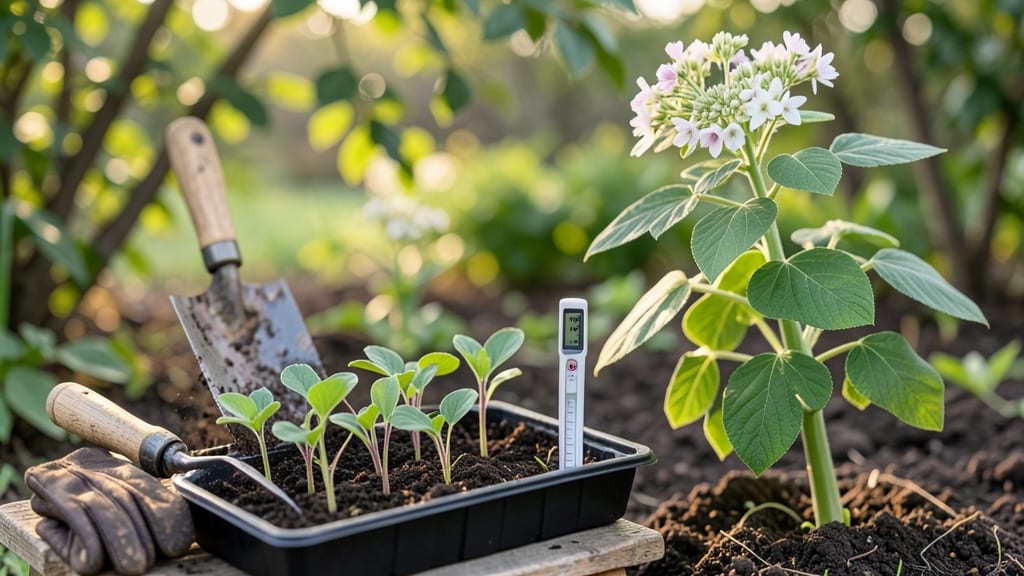
Timing your buckwheat planting in Georgia isn’t just about following a calendar—it’s about reading the land’s cues, from soil warmth to rainfall patterns, to unlock a harvest that’s both hearty and timely.
With frost-free zones ranging from 7a to 8b, the wrong window could mean stunted growth or missed opportunities, especially when summer heat arrives early in some counties.
Most gardeners in Georgia swear by two key windows: March 15–April 30 for spring plantings and August 15–September 30 for fall, but the real secret lies in local microclimates.
For example, mountainous regions like Fannin County may need to wait until after April 15 to avoid late frosts, while coastal Camden can start as early as March 15—all while ensuring your soil stays above 55°F.
Buckwheat 🌾 is a fast grower, but rushing it can lead to poor germination or bolting before harvest. I’ll show you how to align your planting with Georgia’s 215 frost-free days, including soil checks and companion plants that thrive alongside it—so you’re not guessing, but strategizing for success.
Ready to turn your garden into a buckwheat powerhouse? Let’s break down the exact dates, soil prep, and watering tricks that’ll have you harvesting May–June and again in September–October—without the common pitfalls that trip up even experienced gardeners.
Georgia county heat zones: best buckwheat planting dates by region
Georgia’s diverse climate means your buckwheat planting dates should align with your specific USDA heat zone. North Georgia’s cooler zones (6-7) differ dramatically from South Georgia’s warmer zones (8-9), with frost-free windows shifting by months.
Let’s break down the ideal timing for each region to maximize your buckwheat yield.
For North Georgia counties like Fannin or Murray, the last frost typically occurs around April 15-30. This means you should start planting buckwheat seeds no earlier than late March to avoid frost damage.
In contrast, South Georgia counties like Camden or Brantley can plant as early as mid-February since their frost-free season begins earlier.
Here’s how to match your planting schedule with Georgia’s heat zones for a successful harvest:
In North Georgia’s cooler zones, focus on planting buckwheat after April 15 to avoid late frosts. For Central Georgia, you have a longer window—starting as early as mid-February—but aim to finish by late April to prevent heat stress before summer.
Meanwhile, South Georgia gardeners can plant as early as January for an early spring harvest.
For a fall harvest, plant 4-6 weeks before the first frost. In North Georgia, this means August 15-September 15, while South Georgia can extend planting until October 15. Always check your local frost dates—they can vary by 1-2 weeks even within the same county.
Pro tip: Use a soil thermometer to confirm soil temperatures are above 50°F (10°C) before planting. Buckwheat germinates best in warm soil, and cooler temperatures can delay sprouting by 1-2 weeks.
If you’re in a transition zone (like Zone 7b), split your planting into two batches: one in early spring and another in late summer. This strategy ensures you have harvests in both seasons without overlapping growth periods.
Remember, buckwheat thrives in full sun, so choose a south-facing plot with at least 6 hours of sunlight daily. In shadier areas, growth may be slower, and yields could drop by 30-40%. Adjust your planting dates accordingly if your garden receives limited sunlight.
Finally, keep an eye on local rainfall patterns. Georgia’s summer heat can dry out soil quickly, so plan to water deeply 2-3 times per week during dry spells. A well-timed mulch layer can help retain moisture and keep roots cool.
With these region-specific planting dates, you’ll avoid common pitfalls like frost damage or heat stress, setting your buckwheat up for a successful, high-yield harvest all season long. 🌾
How to time buckwheat planting for maximum yield in Georgia’s climate
Georgia’s humid subtropical climate creates unique challenges for buckwheat growers. Timing your planting to align with rainfall patterns and soil temperatures can boost yields by up to 40%. The key is planting when daytime highs consistently reach 70°F+—typically after April 15 in most regions.
For spring plantings, wait until soil temperatures exceed 60°F at a depth of 2 inches. Use a soil thermometer to check—buckwheat germinates best in warm, not hot, soil.
In South Georgia (Zones 8-9), this often means mid-March, while North Georgia (Zones 6-7) may need to wait until late April.
🌡️ Ideal Range: 60°F–75°F (15°C–24°C)
🚫 Avoid Planting: Below 55°F (13°C) or above 85°F (29°C)
💡 Pro Tip: Use a soil thermometer at 2" depth for accuracy.
Georgia’s summer heat can stress buckwheat if planted too early. For fall harvests, aim to sow seeds 8–10 weeks before your area’s first frost date. In North Georgia, this means late August, while South Georgia can extend planting until early October.
Always choose mornings with light cloud cover to reduce transplant shock.
Align your planting with Georgia’s rainfall peaks. Spring plantings benefit from March–April showers, while fall plantings should avoid September’s hurricane season. If natural rainfall is scarce, drip irrigation during germination (first 10 days) ensures 90%+ success rates.
Mulch with straw or grass clippings to retain moisture and suppress weeds.
Companion planting can extend your harvest window. Pair buckwheat with beans or squash to improve soil nitrogen and deter pests. Avoid planting near potatoes or tomatoes, as they compete for nutrients. In urban gardens, interplant with marigolds to repel aphids and improve yield by 20–30%.
Monitor leaf color for signs of stress. Yellowing leaves indicate overwatering or nutrient deficiency, while crisp edges signal underwatering or heat stress. Adjust your watering schedule immediately—buckwheat thrives on consistent moisture but hates soggy roots. In drought-prone areas, reduce watering to every 5–7 days once established.