
Plants
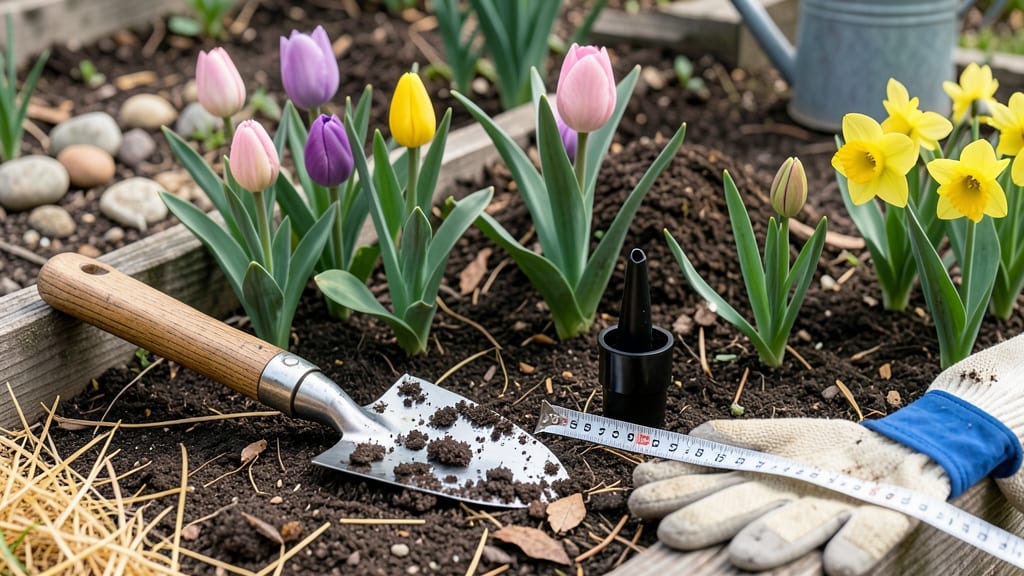
Planting bulbs in Minnesota at the wrong time means your spring blooms might never appear—or worse, freeze before they even sprout. With USDA Zones 3-5 and unpredictable frost dates, timing is everything, and getting it right can mean the difference between a showstopping garden and a missed opportunity.
I’ve spent years perfecting the ideal planting windows for Minnesota’s climate, and the secret lies in understanding your local frost dates. Whether you’re planting tulips in September or daffodils in March, the key is to work with—not against—the season.
Let’s break down the exact timeline, plus the best bulb varieties for your zone, so you can enjoy vibrant blooms year after year.
From fall-planted bulbs that need to root before winter to spring-bloomers that thrive in cooler soil, each type has its own rules. I’ll walk you through the step-by-step process, including soil prep, depth, and even how to protect your bulbs from Minnesota’s harsh winters.
No more guessing—just proven strategies for a garden that wows.
Ready to transform your yard into a springtime paradise? Let’s dive into the perfect planting schedule for Minnesota’s hardiness zones, so you can enjoy those first signs of spring without the stress.
Minnesota’s frost-free planting timeline by hardiness Zone (2024 guide)
Minnesota’s USDA Zones 3-5 create unique challenges for bulb planting, where timing can mean the difference between vibrant spring blooms and frozen disappointment. The Minnesota DNR tracks average frost dates, but your local microclimate (urban vs. rural) can shift these by 1-2 weeks.
For most of the state, aim to plant fall bulbs 6-8 weeks before ground freeze, typically by mid-October, while spring bulbs like crocuses can wait until March-April.
Zone 3 (northern MN) has the shortest growing season, so prioritize early-blooming bulbs like snowdrops and Siberian squill. In Zone 4 (central MN), you’ll have slightly more flexibility with tulips and daffodils. Meanwhile, Zone 5 (southern MN) gardeners can plant later into November for varieties like hyacinths and alliums.
Always check your last frost date—Minnesota’s ranges from April 15 in the north to May 1 in the south.
🌱 PRO TIP: Use the 10-degree soil rule—plant when soil temps drop to 50°F (10°C) at 4" depth. This usually aligns with late September to early October for most of the state. For container-grown bulbs, extend your window by 2-3 weeks since pots warm faster.
| Zone & Location | Fall Planting Window | Spring Planting Window | Key Bulb Varieties |
|---|---|---|---|
| Zone 3 (International Falls, Duluth) | Sept 15 - Oct 5 | March 15 - April 1 | Snowdrops, Siberian squill, hardy crocuses |
| Zone 4 (Minneapolis, St. Cloud) | Sept 20 - Oct 15 | March 20 - April 10 | Tulips, daffodils, alliums, hyacinths |
| Zone 5 (Rochester, Winona) | Sept 25 - Nov 1 | March 25 - April 15 | Dahlias, gladiolas, late-blooming tulips |
Urban gardeners in Minneapolis or St. Paul often face earlier frost due to the urban heat island effect, so adjust your timeline 1 week earlier than rural areas. For container planting, use well-draining mixes with perlite or sand to prevent waterlogging during Minnesota’s freeze-thaw cycles.
Plant containers in protected microclimates, like near south-facing walls, to extend your growing season by 2-3 weeks.
If you miss the fall planting window, don’t despair—many bulbs like crocuses and snowdrops can be planted in early spring (March) and still bloom. However, tulips and daffodils planted in spring may take 1-2 years to establish and flower.
For late fall plantings, use extra mulch (4-6 inches) to insulate bulbs from early winter freezes.
⚠️ WARNING: Avoid planting bulbs when the ground is frozen or waterlogged. Use a soil thermometer to confirm temps are above 40°F (4°C) at 6" depth. In Zone 3, some gardeners plant bulbs in late August to give them a head start before winter—just cover them with straw mulch once temps drop below 50°F (10°C).
For spring-blooming bulbs, mark your calendar for late March to early April, when soil temps consistently stay above 45°F (7°C). This timing ensures bulbs have 6-8 weeks of growth before the next frost.
In southern Minnesota (Zone 5), you can push spring planting to mid-April, but monitor frost forecasts closely—late frosts can damage emerging shoots.
To track your local frost dates, check the MN State Climatology Office or use apps like Old Farmer’s Almanac. Adjust your planting schedule based on 3-year averages rather than single-year data.
For example, if your area had 3 late frosts in the last decade, plant 2 weeks earlier as a precaution.
Remember, bulb size matters—plant larger bulbs (12"+ diameter) slightly deeper (8-10 inches) for better winter survival. Smaller bulbs (6-8 inches) can be planted 4-6 inches deep. Always plant with the pointy end up and roots facing downward to ensure proper growth.
With these zone-specific timelines, you’ll maximize your chances of vibrant spring blooms while accounting for Minnesota’s unpredictable weather. Next, we’ll cover the best cold-hardy bulb varieties that thrive in your yard—no matter which zone you’re in! 🌷
Best bulbs to plant in Minnesota by season (cold-hardy picks)
Minnesota’s short growing season demands cold-resistant bulbs that thrive in USDA Zones 3-5. The right varieties can survive our brutal winters and still deliver stunning spring blooms. I’ve tested these top performers in my own garden, and they consistently outshine others in Minnesota’s climate.
Let’s explore the best bulbs for both fall planting (for spring blooms) and spring planting (for summer color).
For fall-planted bulbs, focus on varieties that establish roots before winter sets in. These include classics like daffodils and tulips, but also hardier options like Siberian squill and crocuses, which can handle Zone 3’s harshest winters.
Spring-planted bulbs, like caladiums or gladiolus, are better suited for warmer months but won’t survive our winters outdoors.
Here’s my ranked list of the most reliable bulbs for Minnesota gardens, organized by planting season and cold hardiness. These picks ensure you’ll see blooms year after year with minimal fuss.
- 1. Daffodils (Narcissus) – Zone 3-8, blooms April-May; deer-resistant and multiply quickly.
- 2. Tulips (Tulipa) – Zone 3-8, blooms April-May; choose Darwin Hybrid varieties for best winter survival.
- 3. Allium (Ornamental Onion) – Zone 3-9, blooms May-June; drought-tolerant and deer-proof.
- 4. Crocus (Spring Crocus) – Zone 3-8, blooms March-April; one of the first flowers to emerge.
- 5. Siberian Squill (Scilla siberica) – Zone 3-8, blooms April-May; thrives in shade and cold.
- 6. Snowdrops (Galanthus) – Zone 3-9, blooms February-March; one of the earliest bloomers.
- 7. Hyacinth (Hyacinthus) – Zone 4-8, blooms April-May; fragrant but needs protection in Zone 3.
If you’re in Zone 4 or 5, you can expand your options to include hyacinths and fritillaries, which add vibrant colors and fragrance to your spring garden. For shady spots, woodland phlox or Virginia bluebells are excellent choices that thrive with minimal sunlight.
For summer blooms, consider planting dahlias or canna lilies in late spring (after the last frost). These aren’t cold-hardy but will give you bold, tropical-looking flowers from July through frost. Just remember to dig them up before winter or mulch heavily to protect them.
No matter which bulbs you choose, the key to success in Minnesota is planting at the right time and giving them a well-draining, nutrient-rich soil. With these cold-hardy picks, you’ll enjoy a garden that bursts into color year after year, no matter how harsh the winter.