
Plants
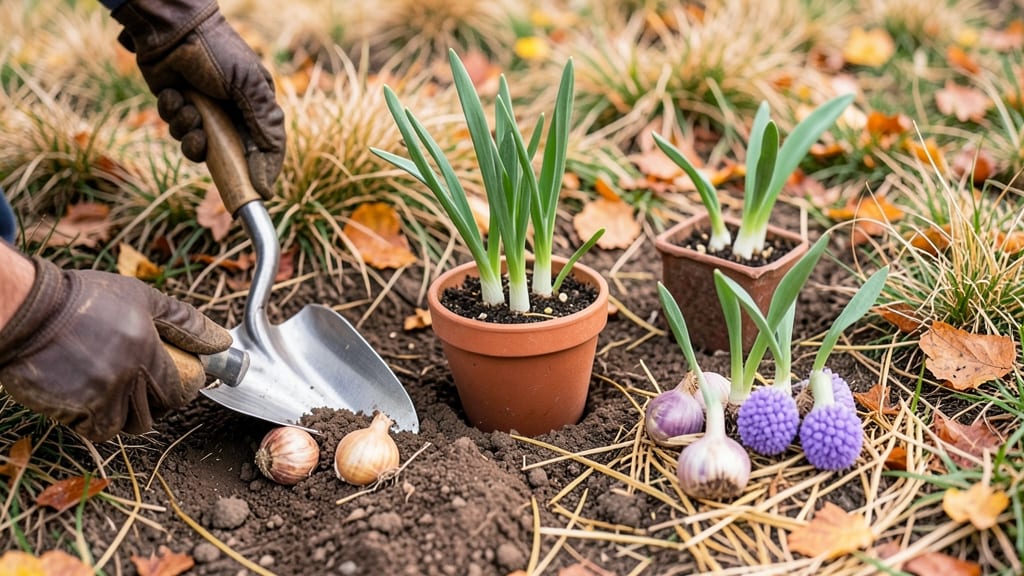
Planting bulbs in Utah isn’t just about picking the right time—it’s about outsmarting the high-desert climate where a single late frost can turn your spring blooms into a sad, frozen memory.
With USDA zones 5a-7b and microclimates ranging from the Salt Lake Valley to alpine slopes, timing your bulbs correctly means the difference between a showstopping garden and a wasted investment. I’ll break down exactly when to plant for zero-frost success, whether you’re in the lowlands or high country.
Most gardeners know fall is the magic window for tulips and crocuses, but Utah’s unpredictable frost dates demand a smarter approach. You’ll learn how to adjust planting schedules, protect bulbs from late cold snaps, and even choose the toughest varieties for our dry conditions.
Ready to turn your yard into a springtime explosion of color? Let’s dive into the exact months, soil tricks, and microclimate hacks that’ll make your bulbs thrive—no matter where you are in the Beehive State.
Utah’s ideal bulb planting timeline by hardiness zone
Utah’s USDA hardiness zones 5a-7b create unique challenges for bulb planting. Unlike coastal regions, our high-desert climate swings from freezing nights to scorching days—meaning timing must account for elevation shifts and microclimates.
For example, Salt Lake Valley (zone 6a) has later frosts than mountain slopes (zone 5a), so your planting window varies by just 20 miles.
Most Utah gardeners focus on fall-planted bulbs like tulips and daffodils, but spring-planted varieties (such as summer-blooming lilies) also thrive with proper timing. The key is planting 6-8 weeks before the first hard frost—typically mid-September to early October for most Utah zones.
For spring planting, wait until soil temperatures reach 50°F (usually late March to early April).
Here’s how to align your planting with Utah’s zone-specific frost dates and bloom cycles:
| Zone | Fall Planting Window | Spring Planting Window | Best Bulbs | Frost Risk |
|---|---|---|---|---|
| 5a (e.g., Logan, Park City) | Mid-September to early October | Late March to early April | Daffodils, crocuses, alliums | High (late frosts) |
| 6a (e.g., Salt Lake City, Provo) | Late September to mid-October | Early April | Tulips, hyacinths, grape hyacinths | Moderate (variable) |
| 7a (e.g., St. George, Cedar City) | October to early November | February to March | Lilies, fritillaries, rain lilies | Low (mild winters) |
*Adjust 2-4 weeks earlier for high-elevation areas (e.g., Wasatch Front foothills).
For zone 6a gardeners (the majority of Utah’s population), aim to plant tulip bulbs by October 1st to ensure roots establish before winter. In zone 7a, you can push planting to November for varieties like rain lilies, which tolerate warmer soils.
Pro tip: Use a soil thermometer to confirm 50°F soil temps before spring planting—this prevents rot in cool, wet soils.
Utah’s microclimates complicate timing further. For instance, urban heat islands in Salt Lake City can delay frost by 1-2 weeks compared to rural areas. If you’re unsure, plant test bulbs (like crocuses) in early September to gauge your local frost date.
These hardy bloomers emerge early and signal when to plant later varieties.
One common mistake is planting spring-blooming bulbs too early. In Utah’s dry climate, bulbs planted in August may sprout prematurely and freeze back before winter. Instead, wait until September for most varieties, or choose dormant bulbs (like gladiolus) that tolerate earlier planting.
For container gardening in Utah, adjust timing by 2-3 weeks earlier than in-ground planting. Pots warm up faster in spring and cool down quicker in fall, so plant container bulbs by mid-September and move them to a garage or insulated shed before 20°F nights.
Use lightweight potting mix to prevent waterlogging, which is deadly for bulbs.
Remember: Bulb size matters. Larger bulbs (like 12/0 daffodils) need 6-8 weeks to root before frost, while smaller bulbs (like #2 tulips) can handle 4-6 weeks. Check the planting depth chart on your bulb packaging—most Utah varieties need 6-8 inches deep for protection.
Finally, mark your calendar for late March to early April when Utah’s last frost dates typically arrive. This is your cue to fertilize bulbs with a balanced 5-10-10 mix and water deeply to encourage blooming.
In zone 7a, you might even see early crocuses peeking through snow—proof that timing pays off!
How to adjust planting for Utah’s unpredictable frost dates
Utah’s frost dates are as unpredictable as a mountain storm—one day it’s 60°F, the next, you’re shoveling snow. If you plant bulbs too early in Zone 5a (like Cache Valley), a late frost can kill emerging shoots.
But if you wait too long in Zone 7b (like St. George), your tulips might bloom in December instead of April. The key is flexible timing and protective strategies.
Start by checking your local first frost date. Most of Utah sees its first frost between mid-October and late November, but high-elevation areas (like Park City) can freeze as early as September 15.
Plant bulbs 6-8 weeks before the ground freezes—so if your frost date is October 15, aim for late August to early September.
For gardeners in warmer microclimates (like the Red Cliffs Desert), you might push planting to early October. But in colder zones, like Logan, September is your only safe window. Always err on the earlier side—bulbs planted too late won’t root deeply enough before winter.
🌱
⚠️ Late Frost Risk: How to Protect Your Bulbs
Problem: Utah’s late spring frosts (common until May 15 in high country) can turn blooming bulbs into frozen mush. Here’s how to shield them:
- ✅ Mulch heavily (4-6 inches) with straw or leaves after planting. Remove it in early spring to avoid rot.
- ✅ Choose late-blooming varieties like Darwin tulips or Ice Follies daffodils, which resist frost better.
- ✅ Plant in south-facing spots where sunlight warms the soil faster.
- ✅ Use row covers or cloche tunnels over emerging shoots if frost is forecasted.
Another trick? Plant shallow and close together. Bulbs buried only 4-6 inches deep (instead of the usual 6-8 inches) warm up faster in spring. Just beware of squirrels and voles—they love shallow bulbs! Cover them with chicken wire if critters are a problem.
If you’re in a high-altitude garden (like Heber Valley), consider spring planting for tougher bulbs like alliums or grape hyacinths. They tolerate cooler soils better than tulips. For spring planting, wait until the soil reaches 50°F (usually mid-March to early April in most of Utah).
Finally, keep a frost calendar handy. Utah State University Extension provides localized frost data—bookmark it! With these adjustments, your bulbs will bloom reliably, no matter how Utah’s weather throws curveballs. 🌷