
Plants
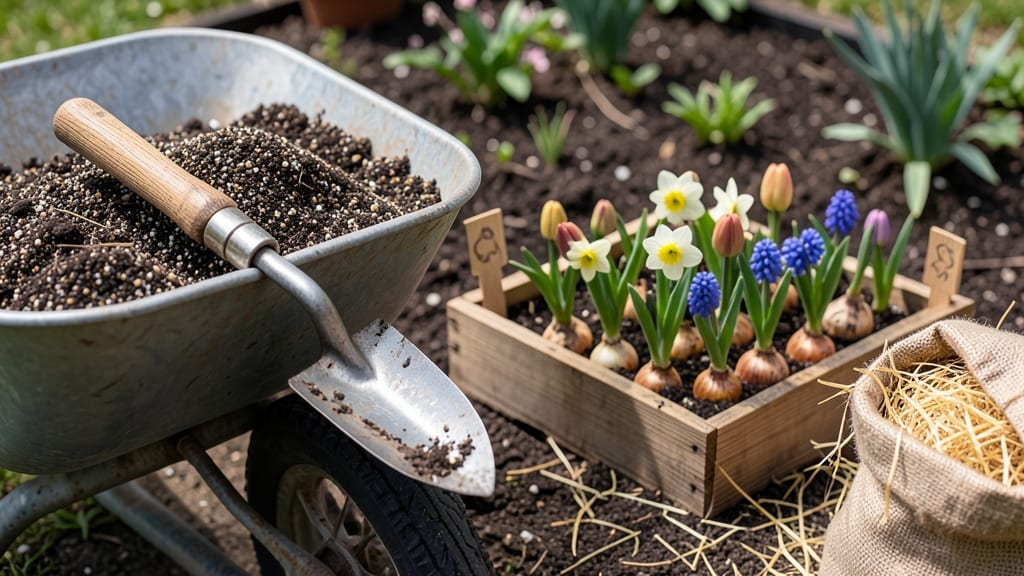
Planting bulbs in Zone 8 at the right time is the secret to vibrant blooms next spring—because timing isn’t just about months, it’s about soil temperature and frost patterns. If you’ve ever struggled with weak growth or missed blooms, you’re not alone.
The key lies in understanding when your local climate signals "go time" for 🌷 bulbs, whether you’re planting tulips, daffodils, or alliums.
In Zone 8, where winters are mild and frost comes late, the ideal window for fall planting is October through early November. This timing gives bulbs time to establish roots before the ground cools—but rushing too early can lead to rot, while waiting too long risks shallow roots.
I’ll show you exactly how to read your soil’s cues and adjust for your microclimate.
Don’t worry if you missed fall—spring planting is still an option, but with different rules. The goal is always the same: strong root growth before the heat of summer or cold of winter sets in.
By the end of this guide, you’ll know not just when to plant, but how to prep your soil, space your bulbs, and care for them so they thrive in Zone 8’s unique conditions.
Whether you’re a seasoned gardener or a beginner, these insights will help you avoid common mistakes and create a show-stopping spring display. Let’s get those bulbs in the ground the right way—so you can enjoy the results for years to come.
Optimal fall planting windows for Zone 8 bulbs by type
In Zone 8, where winters are mild but still bring occasional frost, timing your bulb planting correctly is everything. Most spring-flowering bulbs need 6-8 weeks before the ground freezes to establish roots.
For Zone 8, that typically means October through November, but the exact window varies by bulb type and your local microclimate.
Summer-flowering bulbs like dahlias or gladiolus follow a different schedule—they go in early spring (February-March) after the last frost. But for classic spring bloomers like tulips and daffodils, fall planting is non-negotiable. Let’s break down the best times for each category.
🌱
| Bulb Type | Ideal Planting Window (Zone 8) | Soil Temp Threshold | Key Notes |
|---|---|---|---|
| Tulips | Late October - Early November | 50-60°F (10-15°C) | Plant 6-8 inches deep; avoid soggy soil. |
| Daffodils | Mid-October - Mid-November | 55-65°F (13-18°C) | Deer-resistant; plant 6 inches deep. |
| Hyacinths | Early October - Early November | 50-55°F (10-13°C) | Fragrant blooms; plant 6 inches deep. |
| Alliums | Late September - October | 60-65°F (15-18°C) | Drought-tolerant; plant 8 inches deep. |
| Summer Bulbs (Dahlias) | February - March (after frost) | 55-60°F (13-15°C) | Needs full sun; stake tall varieties. |
Notice how daffodils and hyacinths have a slightly earlier window? That’s because they’re more cold-hardy and can handle the Zone 8 chill better than tulips. Meanwhile, alliums thrive in warmer soil, so they go in first.
Pro tip: Use a soil thermometer to confirm temperatures. If your soil is still above 60°F (15°C) in October, wait a week or two. Bulbs planted in warm soil may rot before roots establish.
For Zone 8’s southern edge (e.g., San Diego), you might push planting to November—just ensure bulbs get 4-6 weeks of cool weather before winter rains taper off. In northern Zone 8 (e.g., Las Vegas), aim for October to avoid early freezes.
🌿
Don’t overlook microclimates. A shaded spot or urban heat island might need adjustments. For example, bulbs near a south-facing wall may need planting 2 weeks earlier because the ground warms faster.
Always check your local average first frost date—Zone 8’s range is December 15 to January 15, but elevations or coastal areas vary.
If you miss fall planting, don’t panic! Many bulbs (like tulips) can also be planted in early spring (February-March), though they may bloom 4-6 weeks later than fall-planted varieties. Just be prepared for smaller blooms if you skip the ideal window.
☀️
How to tell when soil conditions are perfect for bulb planting
Perfect bulb planting in Zone 8 depends on more than just calendar dates—it’s about soil temperature, moisture, and even air conditions. When soil cools to 60°F at a 6-inch depth, most spring-flowering bulbs are ready.
This typically happens in late October to November, but your exact timing depends on local microclimates and rainfall patterns.
Use a simple soil thermometer to check—if temperatures hover between 50°F and 60°F, it’s prime time. In Zone 8’s mild winters, soil may stay workable longer than colder zones, so don’t rush. Wait for consistent 50°F nights to avoid rot from warm soil.
🌱 Key Takeaways for Perfect Soil Conditions
- Soil Temp: 50°F–60°F at 6" depth
- Moisture: Damp but not soggy (avoid waterlogged soil)
- Depth: 2–3x bulb height (e.g., 6" for tulips)
- Drainage: Well-draining soil (amend clay with compost)
💡 Pro Tip: Test drainage by digging a hole, filling it with water, and checking if it drains in 1 hour.
For Zone 8’s sandy soils, bulbs may need extra moisture retention—mix in organic matter like compost or coconut coir. In clay-heavy areas, raise beds or plant on slopes to prevent water pooling. Overly wet soil leads to rotten bulbs, while dry soil stunts root growth.
Watch for fungal activity like mold on soil surfaces—this signals excess moisture. If your area gets heavy fall rains, plant bulbs in raised beds or under tree canopies for natural drainage. Mulch lightly with straw or pine needles to protect bulbs without smothering them.
Finally, avoid planting if frost is forecast within 2 weeks. In Zone 8’s mild winters, some areas may escape frost entirely, but most still need a cool dormancy period. Use a frost calendar for your specific city to fine-tune timing.
By mastering these soil cues, your tulips, daffodils, and alliums will establish strong roots before winter, ensuring vibrant blooms next spring. 🌿