
Plants
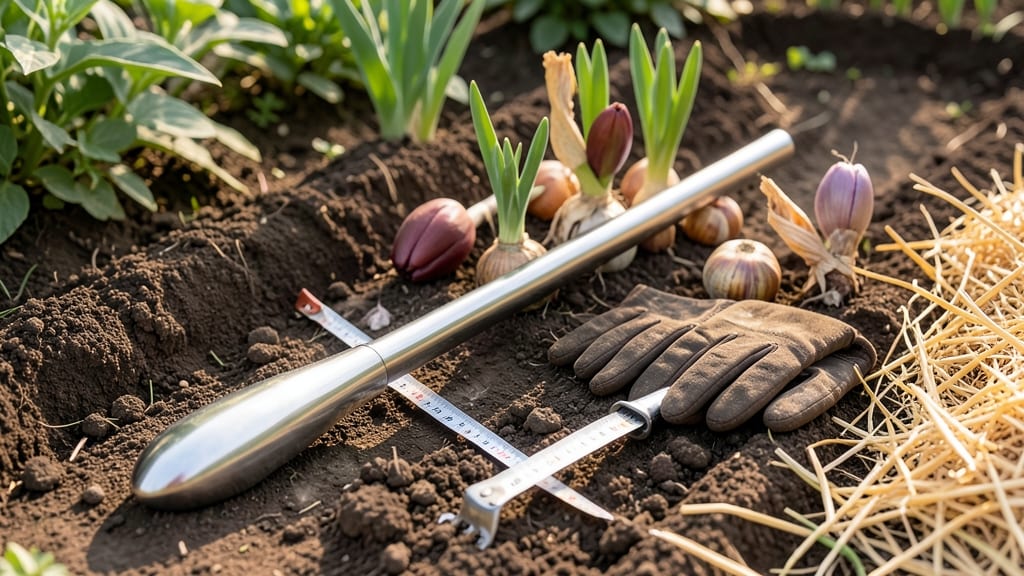
Planting your Spring-Planted Bulbs 🌷 at the wrong time in Zone 5b could mean the difference between a garden bursting with color and a disappointing flop.
The key isn’t just when you plant—it’s understanding the 6-8 week window before frost that gives these hardy plants the strong root system they need to survive winter.
Most gardeners in Zone 5b (think Midwest or Northeast U.S.) focus on fall planting for classic bloomers like tulips and daffodils, but timing is everything. Plant too early, and your bulbs might sprout before winter sets in; too late, and they won’t establish roots before the ground freezes.
I’ll break down the exact weeks you should aim for—plus how to adjust if your fall is unusually warm or cold.
But here’s the twist: not all bulbs follow the same rules. Some, like hardy crocuses, can handle late planting, while tender varieties need extra care.
We’ll cover which bulbs thrive in your climate, how to prep your soil, and even how to tell when it’s really time to plant—no guesswork involved.
Ready to transform your garden next spring? Let’s get those bulbs in the ground the right way—so you can enjoy vibrant blooms without the frustration. The secret starts now.
Zone 5b frost dates and ideal bulb planting weeks before frost
Zone 5b’s average first frost typically arrives around mid-October, but this can shift 2–4 weeks earlier or later depending on your exact location. To guarantee strong root growth before winter, most spring-flowering bulbs (like tulips and daffodils) need 6–8 weeks in the ground before the soil freezes.
For example, if your frost date is October 15, aim to plant by early September. Late bloomers like alliums or snowdrops can tolerate slightly later planting—up to 4 weeks before frost—but they still need time to establish roots.
Use the USDA Plant Hardiness Zone Map to pinpoint your exact frost date, then count backward. For instance, Chicago (Zone 5b) often sees its first frost by October 20, so September 1–15 is the sweet spot for tulips.
In Pittsburgh, where frosts can hit by October 10, plant by early to mid-August. Pro tip: Check your local cooperative extension service for hyper-localized frost data—it’s worth the extra effort for reliable blooms next spring.
Why timing matters: Bulbs need 40–50°F soil temperatures to start rooting. Planting too early (e.g., July in Zone 5b) can cause bulbs to sprout prematurely and rot in warm soil. Planting too late (e.g., November) leaves them vulnerable to frost before roots develop. The 6–8 week rule balances these risks, but soil temperature is your best gauge—use a soil thermometer ($10 at garden centers) to confirm readiness.
Notice how crocuses and alliums can handle later planting? These late-season bloomers prioritize root growth over early sprouting, making them ideal for Zone 5b’s shorter fall windows. Conversely, tulips and hyacinths demand earlier planting—their roots need 8 weeks to harden off before winter. Pro
Zone 5b frost dates and ideal bulb planting weeks before frost
Zone 5b gardeners face a critical challenge: predicting frost dates that can swing by weeks from year to year. The USDA’s average first frost date for Zone 5b falls around October 15, but your local microclimate might push it earlier or later.
For most spring-flowering bulbs, this means aiming to plant 6-8 weeks before frost—typically between mid-September and early October. However, late-blooming varieties like alliums can handle planting as late as November, provided the ground hasn’t frozen.
To pinpoint your exact window, check your local frost calendar (available through the National Weather Service or Old Farmer’s Almanac). For example, in Chicago (Zone 5b), gardeners often plant by October 1, while Boston’s cooler climate may require planting by September 25.
Even a 2-week delay can leave bulbs vulnerable to winter kill if roots aren’t established.
| Bulb Type | Ideal Planting Window (Weeks Before Frost) | Planting Depth | Frost Tolerance |
|---|---|---|---|
| Tulips | 6-8 weeks | 6-8 inches deep | Moderate (needs mulch) |
| Daffodils | 6-10 weeks | 8-10 inches deep | High (deer-resistant) |
| Crocuses | 8-12 weeks | 3-4 inches deep | Very High (early bloomers) |
| Alliums | 4-6 weeks (or late fall) | 6-8 inches deep | High (late-season hardiness) |
Pro tip: Use a soil thermometer to confirm readiness—bulbs thrive when soil temps hit 40-50°F. If your fall runs warm, opt for deeper planting (8+ inches) to delay sprouting until winter. Conversely, if frost arrives early, store bulbs in a cool, dry place (like a garage) until conditions improve.
For spring-planted bulbs (like dahlias or gladiolas), the rule flips: wait until after your last frost date (typically mid-April in Zone 5b). These tender varieties can’t tolerate winter, so they need to establish roots in warmer soil. Mulch heavily after planting to protect them from late frosts.
Remember, bulb size matters too! Larger bulbs (like Darwin Hybrid tulips) need deeper holes and more space between them. Smaller bulbs (like snowdrops) can crowd closer together. Always follow the "3x bulb width" spacing rule to avoid competition.
Finally, don’t overlook soil prep: Amend your beds with compost or bone meal (for phosphorus) to fuel root growth. A well-drained spot with partial sun ensures your bulbs won’t rot over winter. With these timing tricks, your Zone 5b garden will burst with color next spring! 🌷