
Plants
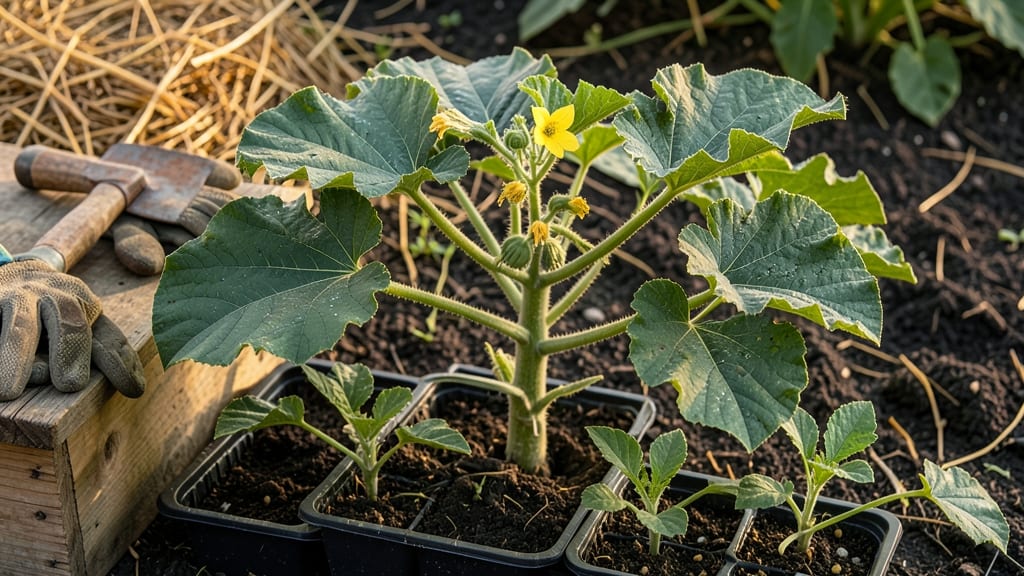
Planting butternut squash 🎃 in Florida isn’t just about throwing seeds into the dirt—it’s about working with the state’s relentless heat and humidity to get a harvest that actually tastes sweet. Skip the guesswork, and you’ll end up with bitter, underripe fruit or vines that wilt before they produce.
The key? Timing your plantings to match Florida’s two perfect windows when soil temps are just right—not too hot, not too cool—and avoiding the brutal summer slump.
Most Florida gardeners swear by two main planting seasons: the cooler months of March-April and the late-summer rush of August-September. But here’s the catch: North Florida’s slightly cooler pockets can handle an earlier start, while South Florida’s steamy air demands patience.
I’ll break down exactly when to start seeds indoors (or go straight to sowing) so you’re not left scrambling when the heat hits.
You’ll also discover why soil temperature matters more than calendar dates—waiting for that 70°F mark makes all the difference—and how to spot the signs your squash is ready to harvest before pests or humidity steal your prize. Let’s get those vines growing the right way, the first time.
Ready to ditch the trial-and-error? I’ll walk you through the exact steps, from seed to harvest, tailored to your corner of Florida. No more wasted effort—just bountiful, sweet butternut squash that’ll make your neighbors jealous.
Florida heat zone planting calendar for butternut squash success
Florida’s frost-free climate means you can grow butternut squash year-round, but timing still matters to avoid heat stress or pest pressure. Unlike northern states, Florida gardeners have two main planting windows: spring and fall.
The key is planting when soil temperatures hit 70°F+ and day-length sensitivity aligns with your USDA zone (8A–10A). North Florida (zones 8A-9A) has slightly cooler winters, while South Florida (zones 10A+) enjoys year-round growing potential.
Butternut squash thrives in Florida’s heat but struggles when temperatures exceed 90°F for extended periods. That’s why most gardeners focus on spring (March–April) and fall (August–September) plantings. Spring crops mature before summer’s peak heat, while fall crops avoid the worst humidity spikes.
Even in South Florida, a slight break from summer’s intensity improves yields and reduces disease risk.
Here’s the science-backed breakdown: butternut squash seeds germinate best at 70–90°F soil temps, but vines grow fastest between 75–85°F. In North Florida, aim for late March starts to avoid early summer’s brutal heat.
South Florida gardeners can direct-sow as early as February or even late January in zone 10A+, but monitor soil temps closely.
Transplanting seedlings gives you more flexibility. Start seeds indoors 2–3 weeks before your target outdoor planting date, then move them out when soil warms. This method works especially well for North Florida gardeners who want to beat the summer heat.
For direct sowing, wait until after April 15 in most zones—this aligns with Florida’s average last frost dates (though frost is rare, cold snaps can occur in North Florida).
🌱
Florida Heat Zone Planting Guide for Butternut Squash
| Zone | Ideal Planting Window | Soil Temp Requirement | Harvest Window | Key Consideration |
|---|---|---|---|---|
| 8A (North FL: Jacksonville, Gainesville) | Late March–Early April | 70°F+ (minimum) | June–July | Avoid summer heat; monitor for squash vine borers. |
| 9A (Central FL: Orlando, Tampa) | Mid-March–Mid-April | 70°F+ (minimum) | June–July | Longer growing season; can extend to early August plantings. |
| 10A (South FL: Miami, Fort Myers) | February–March or August–September | 70°F+ (minimum) | May–June or November–December | Year-round potential; avoid peak summer (June–August). |
| All Zones (Fall Planting) | August–September | 70°F+ (minimum) | November–December | Cooler temps reduce pest pressure; ideal for second crop. |
💡 Pro Tip: Use a soil thermometer to confirm temps before planting—cold soil delays germination.
For North Florida gardeners in zones 8A–9A, late March is your best bet for spring plantings. By this time, soil temperatures typically stabilize above 70°F, and the risk of late frosts has passed.
If you’re in zone 8A (like Jacksonville or Gainesville), consider using row covers or black plastic mulch to warm the soil faster. In Central Florida (zone 9A), you can push plantings slightly earlier—mid-March—but always verify soil temps.
South Florida’s zones 10A+ offer flexibility. You can direct-sow as early as February or even late January in the southernmost regions (like Miami-Dade). However, avoid planting during June–August when daytime highs often exceed 90°F.
Instead, focus on spring (February–March) and fall (August–September) windows. Fall crops benefit from cooler temps and lower humidity, reducing the risk of powdery mildew and cucumber beetles.
If you’re growing butternut squash in containers, adjust your timeline slightly. Potted plants heat up faster, so monitor soil temps closely. In North Florida, wait until mid-April for container plantings to avoid heat stress.
In South Florida, you can start slightly earlier (late February), but ensure containers have drainage holes and use lightweight potting mix to prevent overheating.
🌿
One common mistake Florida gardeners make is planting too early in North Florida or too late in South Florida. Early plantings in cooler zones risk slow germination and pest pressure, while late plantings in South Florida may not mature before summer’s peak.
To avoid this, use Florida’s average last frost dates as a
Florida heat zone planting calendar for butternut squash success
Florida’s frost-free climate means you can grow butternut squash year-round, but heat zones and soil temperatures still dictate the best planting windows. Unlike northern states, you’ll focus on spring and fall plantings to avoid summer’s extreme heat.
North Florida (zones 8A-9A) has slightly cooler winters, while South Florida (zones 10A-11) can plant almost anytime—but timing still matters for yield.
For direct sowing, aim for when soil hits 70°F consistently. In North Florida, this is typically mid-March to early April for spring and late August to September for fall.
South Florida gardeners can start as early as February or stretch into October. Transplants give you a 2-week head start—just harden them off properly to avoid shock.
| Zone | Spring Planting | Fall Planting | Soil Temp | Key Tip |
|---|---|---|---|---|
| 8A-9A (North FL) | Mid-March to April 15 | Late August to Sept 15 | ≥70°F | Use row covers for early starts |
| 10A-11 (South FL) | February to March 30 | September to October 31 | ≥65°F (earlier starts) | Shade cloth for summer planting |
| All Zones | Transplants: 2 weeks before dates | Direct sow: After last heatwave | N/A | Mulch to retain moisture |
Missed the spring window? No problem—Florida’s fall planting is just as productive. The key is avoiding late-season heat stress, which stunts growth. For North Florida, September plantings should be in by mid-month to harvest before cooler temps arrive.
South Florida can push into October, but watch for hurricane season—secure vines if storms are forecasted.
Pro tip: Use a soil thermometer to confirm readiness. Butternut squash seeds won’t germinate below 60°F, and growth slows dramatically below 70°F. In South Florida, you can even try winter plantings (December-January) with shade protection, though yields may be smaller. The trade-off? Fewer pests and cooler harvests!
For container growing, adjust timing by 2-3 weeks earlier—pots heat up faster. Place containers in full sun and use black plastic mulch to warm soil quicker. Just ensure pots are at least 12 inches deep to accommodate sprawling roots.
Remember: Florida’s humidity and pests (like squash vine borers) thrive in warm conditions. Planting at the right time minimizes stress, helping your squash focus on growth instead of fighting off invaders. Next up: variety selection to match your zone’s climate quirks.