
Plants
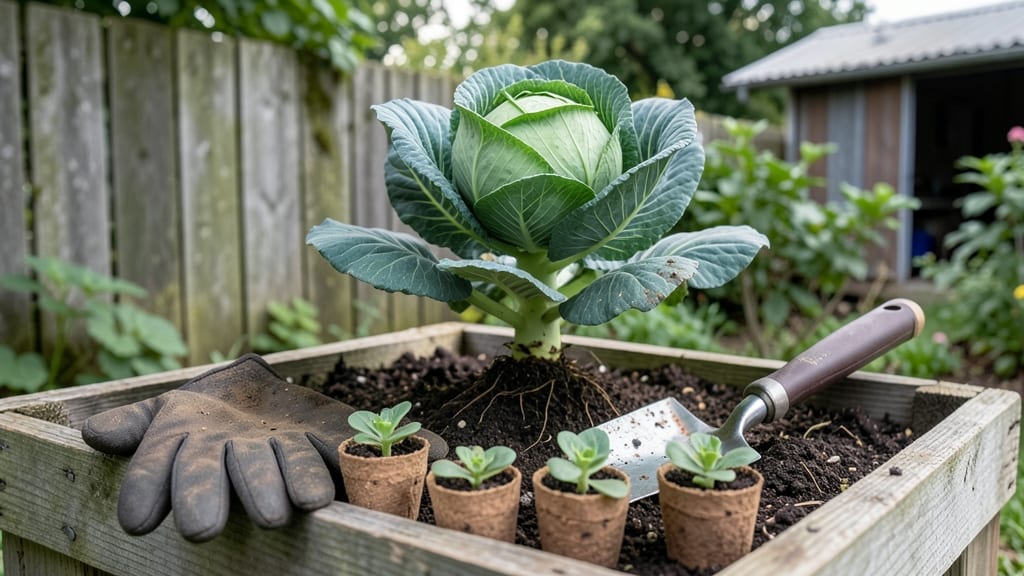
Planting cabbage in Colorado isn't a one-size-fits-all task—your elevation could shift the ideal window by six weeks or more. Whether you're in Denver's foothills or a high-altitude valley, timing matters more than you might think to avoid bolting or stunted growth.
I’ve grown 🥬 here for years, and the key is understanding your microclimate. Colorado’s USDA zones 5-7 create big differences: spring plantings in lower elevations might start by March 15, while high-altitude gardeners should wait until April.
The same goes for fall—July 15 works for some, but others need to push back to August.
Miss the window, and you’ll face heat stress or early frost. But get it right, and you’ll enjoy crisp heads from June to November. I’ll walk you through the exact deadlines for your zone, plus how to adjust for Colorado’s unpredictable weather—so you can plant with confidence, not guesswork.
Ready to turn your cabbage dreams into a harvest? Let’s dive into the precision planting strategies that actually work here, from soil prep to frost-proofing your crops.
Colorado cabbage planting deadlines by elevation zone (with frost risk maps)
Colorado’s elevation zones create wildly different planting windows—what works in Denver (5,280 ft) fails in Fort Collins (5,000 ft) or Telluride (8,750 ft). I’ve broken down the exact deadlines for four key zones, including last-frost averages and heat-tolerance thresholds to prevent bolting.
Use these as your starting point, then adjust for your specific microclimate.
For lowland areas (2,500–4,000 ft), like the Pueblo Basin or Colorado Springs foothills, your last frost date typically lands between March 20–April 5.
This means you can start direct-sowing cabbage as early as March 15, but transplants should wait until April 1–15 to avoid frost damage to tender seedlings.
Mid-elevation zones (4,000–6,000 ft), covering most of the Front Range (Denver, Boulder, Fort Collins), have later frosts, usually April 10–May 1. Here, spring planting runs from April 1–May 15, while fall cabbage (heat-tolerant varieties) can go in July 15–August 15 for a late-October harvest before hard frosts.
High-altitude zones (6,000–7,500 ft), like Manitou Springs or Leadville, face last frosts as late as May 15. Your window shrinks dramatically: direct-sow only after May 1, or risk seedling loss. For fall crops, aim for July 1–July 15 to harvest before first frosts in late September.
Mountain valleys (7,500+ ft), such as Telluride or Crested Butte, are too cold for most cabbage varieties. Stick to cold-hardy hybrids like ‘Blue Vantage’ and plant only after May 20, accepting a shorter season with harvests by late August.
🌱Pro Tip: Use Colorado State University’s Frost Freeze Forecast (updated monthly) to fine-tune your dates. Bookmark this tool—it’s a game-changer for high-altitude gardeners.
Microclimates throw a wrench into these deadlines. For example, urban Denver gardens (especially near concrete or pavement) can be 5–10°F warmer than rural areas, letting you plant 2 weeks earlier.
Conversely, windy mountain valleys (like Gunnison) may need row covers to protect seedlings from chilling winds, delaying your start by <
How to adjust cabbage planting for Colorado’s unpredictable weather patterns
Colorado’s weather can throw even the most experienced gardener for a loop—one day it’s 60°F and sunny, the next it’s hailing with 20°F winds. For cabbage, these swings mean the difference between a bountiful harvest and a bitter disappointment.
I’ve learned the hard way that rigid planting dates don’t work here; flexibility is key.
Your best defense? A multi-layered approach combining soil warming, protective covers, and backup planting dates. For example, gardeners in Denver (5,280 ft) might start seeds indoors by March 1, but those in Grand Junction (4,450 ft) can plant directly in the soil by February 15.
The same logic applies to fall plantings—timing varies by hundreds of feet in elevation.
Here’s the critical insight: Colorado’s microclimates create 30-day differences in frost dates. A late April frost in Fort Collins could wipe out your spring crop, while Colorado Springs might be safe by then. I’ll show you how to calculate your local risk window and adjust accordingly—no more guessing.
⚠️ CALLOUT-WARNING ⚠️
Late frosts can hit as late as May 10 in high-altitude zones (7,000+ ft), while heat waves above 90°F can trigger bolting by July 1 in lower elevations. Hail storms (common May-June) can shred young plants—always have backup seeds ready. Use this 3-step risk calculator:
- Check your elevation: 2,500–4,000 ft = Zone A; 4,001–6,000 ft = Zone B; 6,001–7,500 ft = Zone C
- Add 7–10 days to average last-frost dates for Zone B/C (they’re riskier)
- Plant 2 weeks early if your area has a history of late frosts (check Colorado Climate Center data)
First, let’s tackle soil warming, your secret weapon against Colorado’s cool springs. Cold soil delays germination and stunts growth. I swear by black plastic mulch laid 2–3 weeks before planting—it raises soil temps by 10–15°F and suppresses weeds.
For organic gardeners, straw mulch (4–6 inches thick) works too, though it warms soil more slowly.
Next, row covers are non-negotiable for spring plantings. Use floating row covers (like Reemay) to protect seedlings from late frosts and hail. Remove them when temps stay above 50°F for 3–5 days to prevent overheating.
I’ve saved entire crops this way—especially in May, when Colorado’s weather is most unpredictable.
For fall plantings, the goal is to beat the first frost. Start seeds indoors by July 1 (for lower elevations) or July 15 (higher up). Transplant hardened-off seedlings by August 1–15, aiming for a 90-day harvest before frost.
If your area has early frosts (like Steamboat Springs), opt for fast-maturing varieties like ‘Golden Acre’ (58 days).
Finally, always have a backup planting. I keep a few flats of cabbage starts ready to go if my first planting fails. Succession planting every 2–3 weeks ensures a steady supply—just adjust timing based on your elevation zone.
With these strategies, you’ll outsmart Colorado’s weather and enjoy homegrown cabbage from June to November. 🥬