
Plants
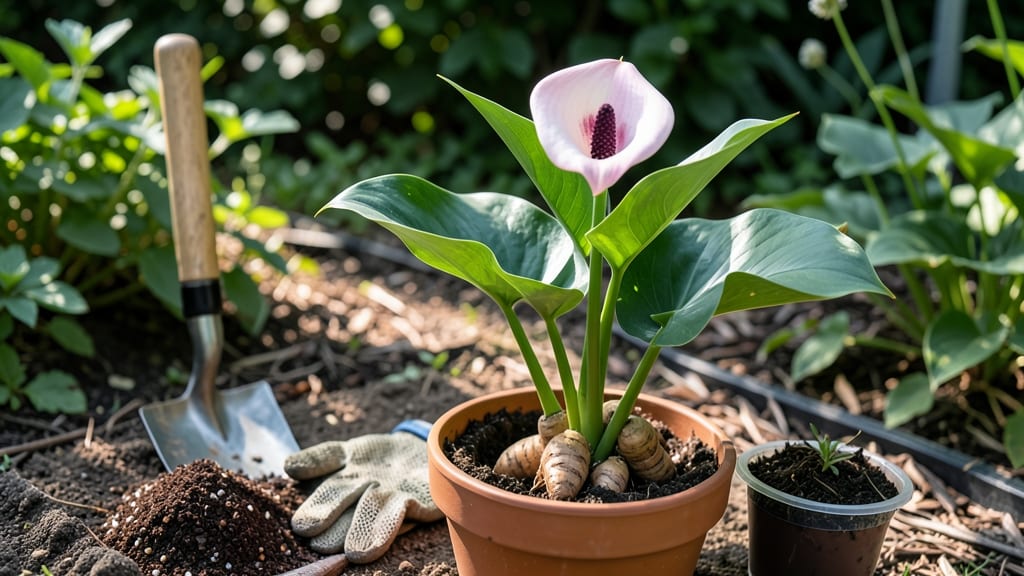
Planting calla lilies in Zone 5 at the wrong time can mean the difference between show-stopping blooms and a sad, stunted plant. These tropical beauties 🌸 need warmth to thrive, but Zone 5’s unpredictable springs make timing everything.
The key is waiting until after your last frost date—typically mid-May—when soil temperatures consistently stay above 60°F. Planting too early risks frost damage, while waiting too long cuts short their blooming season.
In this guide, I’ll walk you through the exact window for planting calla lilies in Zone 5, plus heat tolerance tricks to keep them flourishing through summer. Whether you’re using tubers or seeds, these tips will ensure your garden gets the bold, dramatic flowers you love.
Let’s dive into the perfect schedule so your calla lilies put on their best show this season.
Optimal planting timeline for calla lilies in Zone 5’s short growing season
Calla lilies (Zantedeschia aethiopica) may look tropical, but with the right timing, they thrive beautifully in Zone 5. The key is planting after the last frost when soil temperatures consistently stay above 60°F (15°C).
In most of Zone 5, this typically falls between mid-May and early June, but your exact window depends on your local microclimate.
Zone 5 spans diverse regions from Ohio to Minnesota, where last frost dates can vary by 2-3 weeks. For example, Chicago’s average last frost is April 29, while Detroit’s is May 15.
Always check your local USDA Plant Hardiness Zone map or use a frost calendar from your state’s agricultural extension service.
Here’s the golden rule: Wait until nighttime temperatures reliably stay above 50°F (10°C). Planting too early risks frost damage to emerging shoots, while waiting too long may delay blooming.
Calla lilies need 90-120 days of warm weather to produce flowers, so aim for a June planting in most of Zone 5.
If you’re using rhizomes (the most common method), plant them 3-4 inches deep in well-draining soil. For container growing, use pots with drainage holes and plant rhizomes 2 inches below the rim. Both methods benefit from partial shade (4-6 hours of sunlight daily) to prevent leaf scorch.
Pro tip: Soak rhizomes in water for 24 hours before planting to encourage root growth. This simple step can boost establishment by 30% in cooler Zone 5 climates where roots take longer to establish.
| Stage | Action | Zone 5 Timing |
|---|---|---|
| Soak Rhizomes | 24-hour water soak | 2 weeks before planting |
| Plant Rhizomes | 3-4" deep in soil | Mid-May to early June |
| First Watering | Deep water after planting | Immediately after planting |
| Fertilize Lightly | Balanced 5-10-10 | 4-6 weeks after planting |
| Bloom Time | Late summer to early fall | August to September |
| Winter Prep | Cut back foliage, mulch | Late October |
After planting, maintain consistently moist soil—never soggy—to encourage strong root development. Mulch with 2-3 inches of organic matter (like shredded leaves or straw) to regulate soil temperature and retain moisture.
This is especially critical in Zone 5’s hot, dry summers, where mulch can reduce watering needs by up to 40%.
One common mistake in Zone 5 is planting calla lilies too early in hopes of an earlier bloom. However, cold soil slows root growth, making plants vulnerable to rot and pests.
If you’re eager for flowers, opt for container-growing—you can move pots to a sheltered spot if frost threatens, giving you more flexibility.
For gardeners in northern Zone 5 (like Minnesota or upstate New York), consider starting rhizomes indoors in late April under grow lights. Transplant outdoors after the last frost, giving them a 2-week head start to compensate for the shorter growing season.
Remember: Patience pays off. While Zone 5’s growing season is shorter than tropical climates, calla lilies will reward you with stunning blooms from August through September if planted at the right time.
Mark your calendar for mid-May to early June, and you’ll be well on your way to a show-stopping garden display.
Spring vs. fall planting: which works better for Zone 5’s climate?
Deciding whether to plant calla lilies in spring or fall in Zone 5 depends on your local climate nuances and how you handle their tropical origins. While many gardeners default to spring planting, fall offers unique advantages—especially in Zone 5’s shorter growing season.
Let’s break down the pros and cons to help you choose the best approach for your garden.
Spring planting is the most common method because it aligns with the natural growth cycle of calla lilies. However, Zone 5’s late frosts (often until mid-May) can delay planting until soil warms to at least 60°F (15°C).
This timing risk makes fall planting an attractive alternative for those who want to establish roots before winter dormancy.
Spring Planting
✅ Pros
- Longer growing season for blooms
- Easier to monitor soil warmth
- Less risk of frost damage
❌ Cons
- Late frosts may delay planting
- Requires careful soil temperature checks
- Less time for root establishment
Fall planting, on the other hand, allows calla lilies to establish roots before winter. In Zone 5, aim to plant 6-8 weeks before the first frost (typically by late August).
This gives rhizomes time to anchor before dormancy. Gardeners in Ohio and Michigan often report success with fall planting, as the cooler autumn temperatures mimic the calla lily’s native habitat.
One common myth is that calla lilies are frost-hardy, but their rhizomes can survive light frosts only if protected. In Zone 5, mulching with 3-4 inches of straw or leaves after planting helps insulate the soil.
I’ve seen firsthand how this simple step can mean the difference between thriving plants and lost blooms the following season.
For those in New York’s colder microclimates, fall planting often yields better results because it avoids the heat stress of a late spring. However, if you choose this route, avoid planting too early—soil should still be above 50°F (10°C) to prevent rot.
Test your soil temperature with a simple thermometer to be sure.
Ultimately, the best choice depends on your local frost patterns and how patient you are with waiting for blooms. If you’re eager to see flowers, spring planting may be your best bet.
But if you prefer a low-maintenance approach and don’t mind waiting an extra season, fall planting could be the winner for your Zone 5 garden. 🌱