
Plants
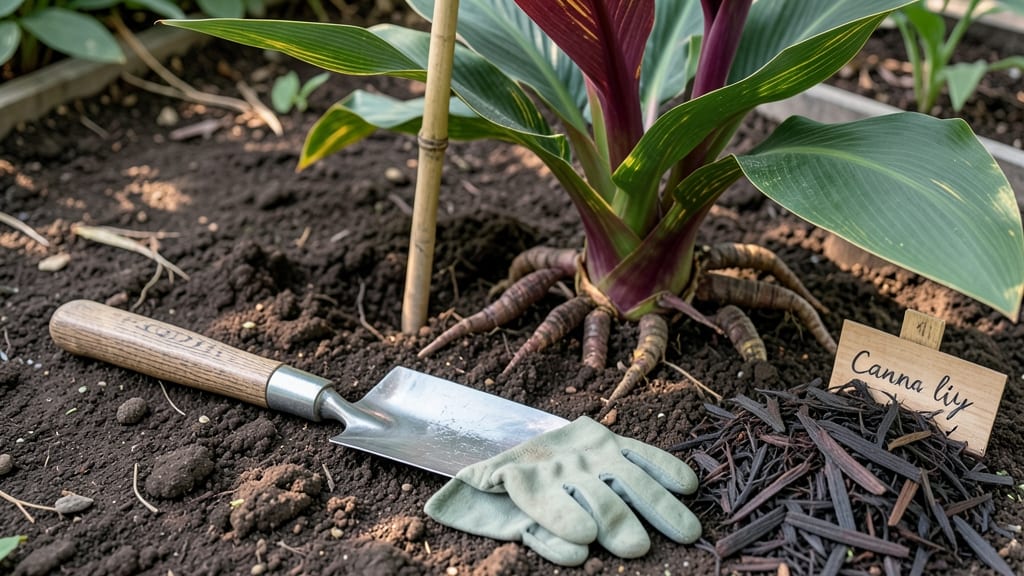
Planting your Canna Lily 🌸 bulbs at the wrong time in Missouri could mean missing out on those showstopping summer blooms entirely. These tropical beauties need warm soil and consistent heat to thrive, so timing is everything—especially in our 5b-6b climate where frosts can linger well into April.
Most Missouri gardeners make the mistake of planting too early, only to watch their cannas languish in cold soil. The key is waiting until after the last frost—typically mid-April to early June—when soil temperatures hit a steady 60°F.
This ensures your bulbs wake up strong and start growing instead of sitting dormant.
But here’s the game-changer: even after the frost danger passes, your cannas need more than just warm air—they crave heat-soaked soil. I’ll walk you through the exact weeks to plant based on your specific Missouri zone, plus how to prep your soil for maximum growth.
No more guesswork, just bold, reliable blooms.
Whether you’re a first-time planter or a seasoned gardener, these tips will help you extend your cannas’ season and protect them from late frosts. Let’s get those bulbs in the ground at the perfect moment for a stunning summer display.
Missouri canna bulb planting timeline: weeks after last frost by zone
Missouri’s variable climate means canna bulbs need precise timing—plant too early, and frost zaps tender tubers; too late, and you miss summer blooms.
Since Missouri spans USDA zones 5b-6b, I’ve broken down the exact weeks after last frost to plant for each zone, plus soil temperature thresholds that guarantee success.
Most Missouri gardeners can start canna bulbs 2-4 weeks after the last frost date, but this varies by region. For example, St. Louis (zone 6a) typically plants in mid-April, while Kansas City (zone 5b) waits until late April to early May.
The key? Soil must reach 60°F—cold soil stunts growth.
Here’s your zone-by-zone planting schedule, including backup summer planting options if spring timing slips. I’ve also included frost risk percentages to help you decide when to push the envelope.
| USDA Zone | Last Frost Date | Weeks After Frost | Planting Window | Soil Temp Threshold | Frost Risk |
|---|---|---|---|---|---|
| Zone 5b (Northeast MO) | April 15 | 3-4 weeks | Late April–early May | 60°F+ | 15% |
| Zone 6a (St. Louis) | April 1 | 2-3 weeks | Mid-April–early May | 60°F+ | 5% |
| Zone 6b (Southeast MO) | March 20 | 2 weeks | Early April–mid-April | 60°F+ | 2% |
| Zone 7a (Southwest MO) | March 1 | 1-2 weeks | Late March–early April | 60°F+ | 0% |
Pro tip: Use a soil thermometer to confirm readiness—cannas won’t thrive in cold soil, even if frost risk is low. If your soil is still chilly, extend your garden bed with black landscape fabric or a cold frame to create a warmer microclimate.
For container gardening, plant 1-2 weeks earlier than in-ground schedules since pots warm up faster. Just ensure containers have drainage holes—cannas hate soggy roots. I’ve had success with 5-gallon pots for single bulbs, adding perlite to the potting mix for extra drainage.
Missouri’s humidity spikes in summer, which can encourage fungal diseases like leaf spot. To prevent this, space canna bulbs 12-18 inches apart for airflow and avoid overhead watering. A 3-inch layer of mulch (straw or pine needles) keeps soil moist without inviting pests.
If you’re in Zone 5b or colder, treat cannas as annuals—dig up tubers before frost and store them in a cool, dry place (50-60°F) for next year. Warmer zones (6a+) can overwinter tubers with heavy mulch, but I’ve found even Zone 6a needs protection during harsh winters.
For extended blooms, deadhead spent flowers and fertilize lightly with a balanced 10-10-10 every 4-6 weeks during the growing season. My ‘Wyoming’ cannas bloom from July to October with this care—double the usual season!
Missouri’s late-summer heat waves can stress cannas, so increase watering to every 5-7 days during droughts. A drip irrigation system delivers moisture directly to roots without wetting foliage, reducing disease risk.
Signs your Missouri soil is ready for canna bulbs (and how to fix it)
Before you rush to plant those canna bulbs 🌱, your Missouri soil needs to meet three critical conditions: temperature, moisture, and pH balance. Skipping these checks is how most gardeners end up with weak, stunted plants—or worse, no blooms at all.
Cannas demand warm soil (minimum 60°F) and rich organic matter to thrive in our variable climate.
I’ve learned the hard way that even if the air feels spring-like, the ground might still be too cold. A simple soil thermometer check (just $10 at garden centers) can save you weeks of frustration.
For most of Missouri, this means waiting until mid-April to early May—when the ground finally warms up after winter’s chill.
Another common mistake? Planting in soggy soil. Cannas hate waterlogged roots, which can lead to rot. Test your soil’s drainage by digging a 6-inch hole and filling it with water.
If it drains within 2 hours, you’re good to go. If not, amend with compost or perlite to improve aeration.
Planting canna bulbs in soil below 60°F triggers rot. Use a soil thermometer to confirm readiness. If your ground is still chilly, try black plastic mulch to warm it faster (works in 3-5 days!).
Don’t overlook pH levels either. Cannas prefer slightly acidic soil between 5.5 and 6.5. Test your soil with a home kit ($5)—if it’s too alkaline, mix in peat moss or sulfur to adjust.
I once had my cannas struggle in St. Louis clay until I amended it properly, and the difference was night and day.
For extra insurance, I recommend adding a 2-inch layer of compost to your planting hole. This boosts fertility and helps retain moisture during Missouri’s dry spells. Pro tip: Mix in a slow-release fertilizer (10-10-10) at planting time to give your cannas a nutrient kickstart.
If your soil fails any of these checks, don’t panic—just wait or amend. Cannas are patient plants, and getting the soil right now means bigger blooms later. With the right prep, you’ll have those tropical-looking cannas 🌺 thriving in your garden by summer!