
Plants
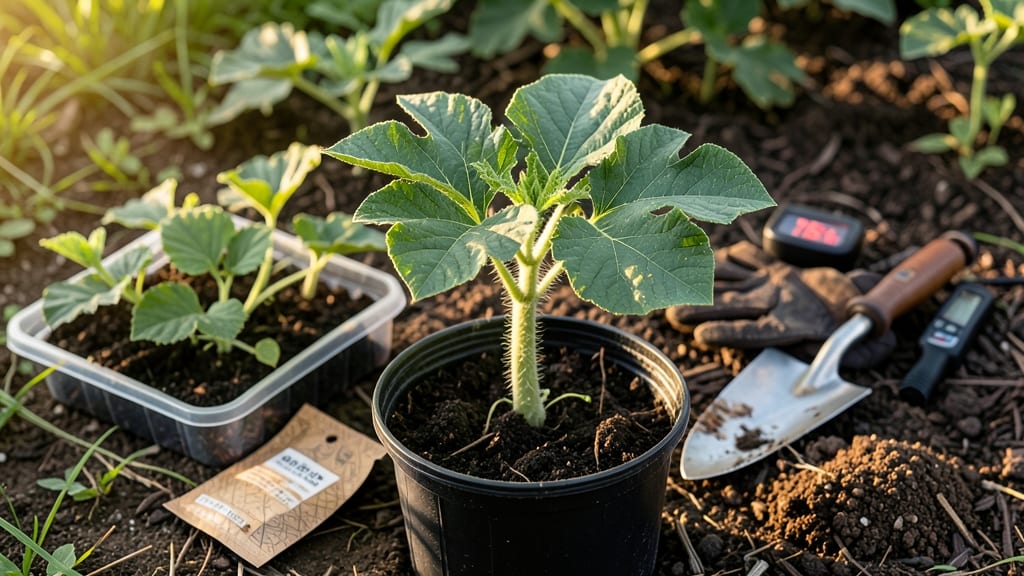
Planting cantaloupe in Arizona might seem tricky with its brutal summers, but timing is everything to beat the heat and grow sweet, juicy 🍈 melons. The key isn't just avoiding frost—it's outsmarting the desert's extreme swings from chilly nights to scorching days.
Most Arizona gardeners swear by late winter to early spring planting (February-March), when soil temperatures finally hit that sweet spot of 70°F. This gives your vines time to establish roots before the real heat arrives, ensuring they don't bolt too quickly or struggle with poor fruit set.
What I've learned from years of Arizona gardening is that your location matters—whether you're in Phoenix's urban heat island or Tucson's high desert, microclimates change everything.
We'll break down the exact windows that work best for your zone, plus how to prep your soil and protect young plants from heat stress.
Ready to grow cantaloupes that actually thrive in Arizona's climate? Let's dive into the proven strategies that turn "too hot" into "harvest-ready" success—no frost worries included.
Optimal Arizona cantaloupe planting dates by heat zone
Arizona’s USDA zones 7b-10a create wildly different planting conditions—from Phoenix’s urban heat islands to Flagstaff’s cooler high desert. The best time to plant cantaloupe depends on your zone, but the golden rule is always: wait until soil hits 70°F (21°C).
This prevents heat shock and bolting, ensuring your vines grow strong before summer’s peak.
For Phoenix and Tucson (Zones 10a-11), late winter (February) is ideal—soil warms faster here, but you’ll need shade cloth to protect seedlings from 100°F+ days by May.
Meanwhile, Flagstaff and Prescott (Zones 7b-8a) can plant as late as early April, avoiding frost while still enjoying cooler nights that slow bolting.
Here’s the breakdown you need to align your planting with Arizona’s microclimates and heat zones—because getting it wrong means wasted seeds or bitter fruit.
| Zone | Best Planting Window | Soil Temp Requirement | Key Risk | Pro Tip |
|---|---|---|---|---|
| 10a-11 (Phoenix, Tucson) | Late February - Early March | 70°F+ (21°C) | Heat stress by May | Use 30% shade cloth until vines establish |
| 9a-9b (Mesa, Yuma) | Mid-February - Late March | 65°F+ (18°C) | Bolting if planted too early | Mulch with straw to retain moisture |
| 8a-8b (Flagstaff, Prescott) | Early April - Mid-April | 60°F+ (15°C) | Late frost (Jan 10) | Start seeds indoors 4 weeks before transplanting |
| 7b (Higher elevations) | Late April - Early May | 65°F+ (18°C) | Short growing season | Choose fast-maturing varieties like ‘Ambrosia’ |
Notice how elevation and urban heat islands shift your planting window by weeks? For example, Phoenix’s urban areas can plant cantaloupe 2-3 weeks earlier than surrounding desert zones because pavement and buildings trap heat, warming soil faster.
Meanwhile, high-desert areas like Flagstaff must wait until after April 15 to avoid late frosts that can kill young seedlings.
If you’re in Zone 10a or 11, you might also consider a fall planting (August-September) for a late harvest before winter sets in. However, this requires drip irrigation and black plastic mulch to maintain soil warmth—otherwise, your vines will struggle as temperatures drop below 60°F (15°C) at night.
Pro tip: Use a soil thermometer to confirm readiness—cantaloupe seeds won’t germinate below 65°F (18°C), and seedlings will bolt if soil is too hot (90°F+ or 32°C).
I’ve lost count of the times I rushed planting and ended up with bitter, seedy melons because the heat stressed the plants.
For direct sowing (the most common method in Arizona), aim for March 1-15 in most zones. If you’re starting seeds indoors, begin 4-6 weeks before your last frost date (which varies wildly—check your local Cooperative Extension office for precise data). Transplant seedlings when they’re 3-4 inches tall and hardy.
One mistake I see often? Gardeners in Tucson and Phoenix planting too early and dealing with heat-stressed seedlings by April. The solution? Black plastic mulch raises soil temperature by 5-10°F, giving you a 2-week head start on the season.
It also suppresses weeds and retains moisture—critical in Arizona’s dry climate.
Finally, remember that cantaloupe needs 75-90 days to mature, so time your planting to harvest before the monsoon rains (July-August) if possible. Wet fruit is prone to rot and disease, so aim for a May-June harvest window in most zones.
How to time cantaloupe planting for Arizona’s extreme heat
Arizona’s heat isn’t just about avoiding frost—it’s about preventing your cantaloupe from bolting (flowering too fast) or wilting under 110°F+ soil. The trick? Plant when daytime temps are 85°F or lower but nighttime stays above 55°F.
This balance gives your vines time to root before the real desert heat hits.
I’ve found that late February to early March works best for most of Arizona, but high-desert areas like Flagstaff may need to wait until mid-April.
The key is monitoring soil temperature—use a soil thermometer to confirm it’s at least 70°F before planting. Cold soil slows germination and invites rot.
For direct sowing, wait until after your last frost date (typically mid-January in Phoenix but later in cooler zones). If you’re starting seeds indoors, begin 4-6 weeks before your target outdoor date. This head start helps seedlings handle transplant shock when moved to the garden.
Here’s my proven strategy for beating Arizona’s heat: mulch heavily with straw or wood chips to keep soil cool and retain moisture. I also use shade cloth (30-50%) for young plants during the hottest afternoon hours.
This simple setup can mean the difference between a thriving vine and a sad, wilted one.
🌡️ Critical Heat-Timing Tips
- 📅 Plant in late winter (Feb-March) for spring harvests—avoid summer planting unless using shade.
- 🌱 Use black plastic mulch to warm soil faster in cool mornings (great for early starts).
- 💧 Water deeply at dawn to prevent fungal diseases from evening moisture.
- ☀️ Provide afternoon shade for seedlings until they’re 4+ inches tall.
- 🌿 Choose heat-tolerant varieties like ‘Ambrosia’ or ‘Hale’s Best’ for better survival.
One mistake I see often is planting too early and watching cantaloupes bolt before setting fruit. If your plants flower within 30 days of sprouting, they’re reacting to heat stress.
To fix this, prune lower leaves to improve airflow and reduce heat absorption. Also, avoid over-fertilizing with nitrogen—it encourages leafy growth over fruit production.
For a second harvest, try late summer planting (August) in cooler mountain areas, but expect smaller yields. The real secret? Consistency. Cantaloupes need 1-2 inches of water weekly and full sun—no shortcuts. With these adjustments, you’ll beat the heat and enjoy homegrown cantaloupe all season.