
Trees
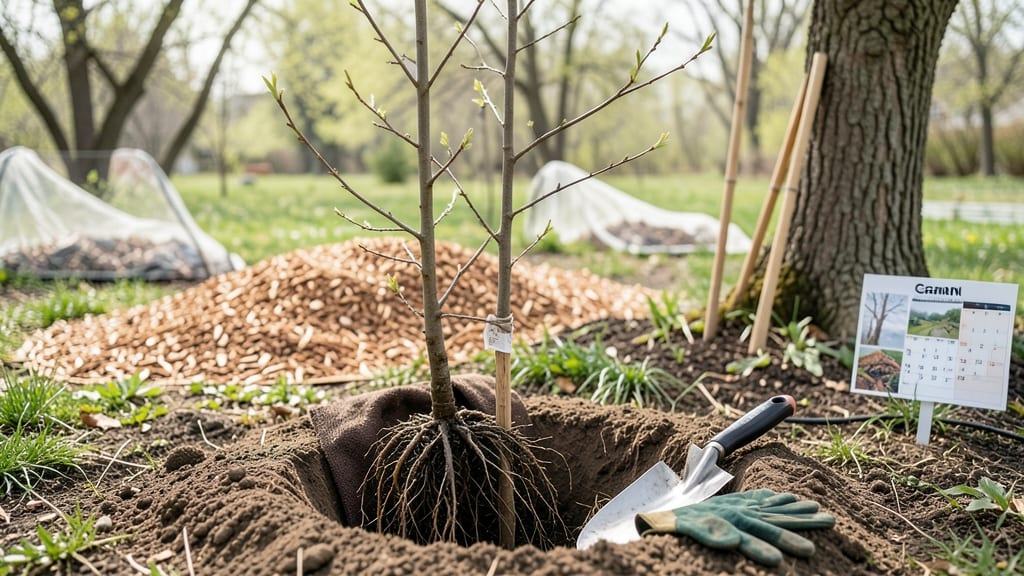
Timing your 🍒 cherry tree planting in Zone 5 can make or break whether your tree thrives—or struggles—for years. Planting too early risks frost damage, while waiting too long delays root establishment, leaving your tree vulnerable to winter stress.
Most gardeners in Zone 5a-5b swear by early spring planting (after the last frost, typically April), when soil temperatures rise and the risk of hard freezes drops. But fall planting—between September and October—works beautifully for bare-root varieties, giving roots time to settle before winter dormancy.
I’ve seen firsthand how a well-timed planting sets the stage for faster growth and stronger fruit production. Whether you’re working with container-grown or bare-root trees, understanding your local microclimate and soil conditions is the key to choosing the perfect window.
Let’s break down exactly when to plant for maximum success, including soil prep tips and post-planting care to ensure your cherry tree gets off to the best possible start.
Optimal planting times for cherry trees in Zone 5: spring vs fall breakdown
Choosing the right time to plant your cherry tree in Zone 5 hinges on two key windows: early spring (after last frost) and fall (before ground freezes). Each offers distinct advantages depending on your tree type—bare-root or container-grown—and your local climate nuances.
Spring planting (typically April to early May) gives roots a full growing season to establish before winter, while fall planting (between September and October) allows roots to settle before dormancy. I’ve found that bare-root cherries thrive best in fall, whereas container-grown varieties adapt more flexibly to both seasons.
Let’s compare these two approaches side-by-side to help you decide which timing aligns best with your Zone 5 microclimate and tree type.
🍒 Cherry Tree Planting Comparison: Spring vs Fall
| Factor | Spring Planting | Fall Planting |
|---|---|---|
| Best Months | April–Early May | September–October |
| Soil Temperature | 45–55°F (7–13°C) | 50–60°F (10–16°C) |
| Tree Type | Container or bare-root | Bare-root preferred |
| Root Establishment | Full growing season | 6–8 weeks before freeze |
| Frost Risk | Low (post-last frost) | Moderate (check forecast) |
| Watering Needs | High (weekly) | Moderate (bi-weekly) |
| Best For | Container-grown trees | Bare-root trees |
For spring planting, aim for April 15 or later in Zone 5, once soil temperatures consistently stay above 45°F (7°C). This timing reduces frost shock while maximizing root growth before summer heat arrives. I’ve seen container-grown cherries planted in late April thrive with minimal stress.
Fall planting, however, requires precision—plant 6–8 weeks before your first frost (typically mid-September in Zone 5). This window ensures roots establish before dormancy but avoids early freezes. Bare-root trees benefit most from fall planting, as their roots can settle without competing with summer heat.
Your choice depends on your tree type and local frost dates. Check your USDA Zone 5a/5b frost calendar—some years, a late spring frost might push your ideal window into early May. Always verify soil temperature with a probe to avoid planting too early.
Regardless of timing, mulch heavily after planting to protect roots. In spring, use 2–3 inches of organic mulch; in fall, increase to 4–6 inches for insulation. This small step can mean the difference between a struggling and a thriving cherry tree.
Pro tip: If you miss the ideal window, container-grown cherries can be planted in late fall (November) or even early spring (March), though they’ll need extra care during their first winter. Bare-root trees, however, must be planted dormant—never in summer or winter.
Key factors that determine the best planting time for cherry trees in Zone 5
When deciding whether to plant your cherry tree in spring or fall for Zone 5, several critical factors come into play. The most influential are soil temperature, frost risk, and your tree’s dormancy cycle.
I’ve learned through experience that ignoring these can lead to poor root establishment and winter stress.
First, soil temperature dictates when roots can actively grow. For spring planting, wait until soil reaches 45–55°F (7–13°C), while fall planting requires 50–60°F (10–16°C) to avoid shock. A soil thermometer is your best tool—planting too early can stunt growth, while waiting too long reduces root development time.
Next, frost dates are non-negotiable. Zone 5’s last frost typically hits April 15, but this varies yearly. Fall planting must occur 6–8 weeks before your first frost—usually by mid-October. Use local frost maps or ask your cooperative extension service for precise dates.
🌱 Key Factors for Cherry Tree Planting in Zone 5
| Factor | Spring Considerations | Fall Considerations |
|---|---|---|
| Soil Temperature | 45–55°F (7–13°C) | 50–60°F (10–16°C) |
| Frost Risk | Low (post-last frost) | Moderate (check forecast) |
| Root Establishment | Full growing season | 6–8 weeks before freeze |
| Tree Type | Container or bare-root | Bare-root preferred |
| Watering Needs | High (weekly) | Moderate (bi-weekly) |
| Microclimate | South-facing slopes warm faster | Low areas freeze earlier |
Your tree type also matters. Bare-root cherries are best planted in fall—their exposed roots establish quickly in cool soil. Container-grown trees, however, adapt better to spring planting and can even handle late fall (November) if wrapped properly. I’ve seen container-grown trees planted in March thrive with extra mulch and watering.
Don’t overlook microclimates—your yard’s unique conditions can shift planting windows by weeks. A south-facing slope warms earlier in spring, while low areas freeze sooner in fall. Observe where frost lingers longest in your garden, and adjust your timing accordingly. A simple frost cloth test can reveal these microclimate secrets.
Finally, container-grown vs. bare-root trees require different prep. Bare-root trees need immediate planting to prevent root desiccation, while container-grown trees can wait a few days. If you’re unsure, ask your nursery for specific advice—some varieties handle transplant shock better than others.
Pro tip: If your soil is clay-heavy, amend it with compost or sand before planting. Poor drainage in Zone 5 can lead to root rot, especially during spring’s frequent rain. A well-draining site is non-negotiable for long-term success.