
Plants
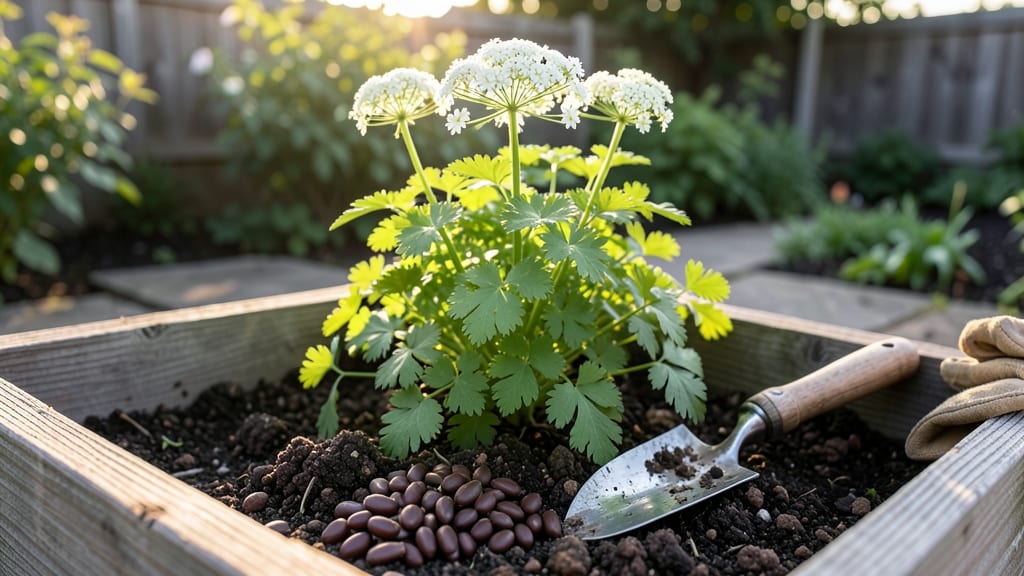
Planting cilantro in Georgia at the wrong time means watching your 🌿 turn bitter or bolt into flowers before you can even harvest it. The key to success? Timing your sowing to match Georgia’s 7b-8b climate—where summer heat is the enemy and cool seasons are your best friend.
Most gardeners assume spring is the only time to plant cilantro, but in Georgia, that’s actually the riskiest window. The late spring heat triggers bolting, turning your fresh herb into a sad, flowering shadow of its former self. Instead, focus on fall and early spring when temperatures stay mild.
Here’s the game-changer: Start your cilantro in August-September for fall harvests or February-March for spring. These months give your plants the cool weather they crave while avoiding the brutal summer sun.
I’ll walk you through the exact steps to prepare your soil, choose the right spot, and keep your cilantro thriving—no bitter surprises included.
Ready to grow cilantro that stays fresh and flavorful? Let’s dive into the perfect planting schedule for Georgia’s unique conditions, so you can enjoy homegrown cilantro from October through May without the frustration.
Best planting months for cilantro in Georgia (avoiding bolting)
Georgia’s USDA Zones 7b-8b create a tricky climate for cilantro lovers—too hot in summer, too mild in winter to grow year-round. But with the right timing, you can enjoy fresh cilantro harvests from February through December.
The key is planting during Georgia’s coolest months when temperatures stay below 75°F.
Cilantro thrives in cooler temperatures (50-75°F) and bolts—or goes to seed—when exposed to consistent heat above 80°F. In Georgia, this means avoiding summer planting unless you use shade cloth. The best windows are early spring (February-March) and late summer/fall (August-September) for a second crop.
Here’s the breakdown of your ideal planting months in Georgia, including soil prep and shade strategies to prevent bolting:
| Planting Window | Ideal Months | Temperature Range | Shade Needs | Soil Prep |
|---|---|---|---|---|
| Early Spring | February - March | 50-70°F | Morning sun, afternoon shade | Add compost, test pH (6.2-6.8) |
| Late Summer/Fall | August - September | 65-75°F | 30-50% shade cloth | Mulch to retain moisture |
| Winter (Coastal GA) | October - December | 45-65°F | Full sun (mild winters) | Light mulch for frost protection |
🌱 Pro Tip: Use shade cloth in summer to drop temps by 10-15°F and delay bolting.
For spring planting, start seeds indoors 6-8 weeks before your last frost date (mid-March in most of Georgia). Transplant seedlings outdoors when soil temps hit 45°F—typically late February to early March.
In fall, direct-sow seeds 8-10 weeks before your first frost (mid-November), so they mature before winter chills set in.
Georgia’s coastal regions (like Savannah) can handle cilantro year-round due to milder winters, while inland areas (Athens, Atlanta) should focus on fall and early spring plantings. If you’re in Zone 8b, you might squeeze in a third crop in late September with shade protection.
To maximize your harvest, succession plant every 2-3 weeks during your ideal windows. For example, sow a new batch in late February, then again in mid-March and early April to ensure a continuous supply.
This works especially well in container gardens or raised beds where you can rotate crops easily.
One common mistake Georgia gardeners make is planting cilantro too early in spring when soil is still cold or too late in fall when nights get chilly.
Aim for soil temps between 60-70°F—use a soil thermometer to check before planting. If temps dip below 40°F, cilantro growth slows dramatically.
For container growing, choose pots with drainage holes and use a lightweight potting mix. Containers warm up faster than garden beds, so move them to shadier spots by mid-morning if temps rise above 75°F. Dwarf varieties like ’Calypso’ or ’Santo’ are excellent choices for Georgia’s heat-sensitive climate.
Remember: Bolting isn’t just about heat—it’s also triggered by long daylight hours (14+ hours) and maturity. Harvest leaves before flowering to keep plants producing tender greens. If you see flower stalks, pinch them off immediately to redirect energy to leaf growth.
Why Georgia’s climate makes cilantro a challenge (and how to fix it)
Georgia’s 7b-8b climate can be a double-edged sword for cilantro lovers. The state’s hot summers trigger bolting—when cilantro suddenly flowers and turns bitter—while its mild winters create perfect growing conditions. The key is understanding how to work with these extremes rather than against them.
Cilantro thrives in cool temperatures (60-70°F), but Georgia’s summers often push soil temps above 80°F, sending your plants into survival mode. Even worse, the humidity and heat combine to create ideal conditions for fungal diseases like powdery mildew, which can devastate your crop before it even matures.
Here’s the good news: With the right adjustments, you can grow cilantro successfully in Georgia. The solution lies in shade, soil prep, and timing. Let’s break down the exact steps to keep your cilantro lush, flavorful, and bolt-free.
🌿 3 Critical Fixes for Georgia Cilantro Growing
-
Step 1: Plant in Partial Shade
Use afternoon shade (4-6 hours max sunlight) to prevent heat stress. Try dappled shade from trees or a 50% shade cloth in peak summer months. -
Step 2: Amend Soil with Organic Matter
Cilantro hates compacted or clay-heavy soil. Mix in 3-4 inches of compost and perlite to improve drainage and retain moisture. -
Step 3: Water Deeply in the Morning
Keep soil consistently moist (not soggy) by watering at 6-8 AM. Avoid evening watering to prevent fungal growth in Georgia’s humidity.
One of the biggest mistakes I see Georgia gardeners make is planting cilantro in full sun during spring. While it might seem logical, the rising temperatures in April and May quickly push cilantro into bolting mode.
Instead, focus on fall planting (August-September) when soil temps are cooler, or early spring (February-March) before the heat sets in.
If you’re determined to grow cilantro in summer, opt for container gardening with well-draining soil. Containers heat up faster, so place them in shaded areas and water more frequently. I’ve had success with black plastic pots buried in the ground—they stay cooler than traditional containers and mimic in-ground conditions.
Finally, don’t forget to harvest regularly to encourage bushier growth. Pinch off flowering stems immediately if you spot them, and consider succession planting every 2-3 weeks for a continuous harvest. With these adjustments, you’ll enjoy fresh, flavorful cilantro from October through May—no bitter surprises included!