
Plants
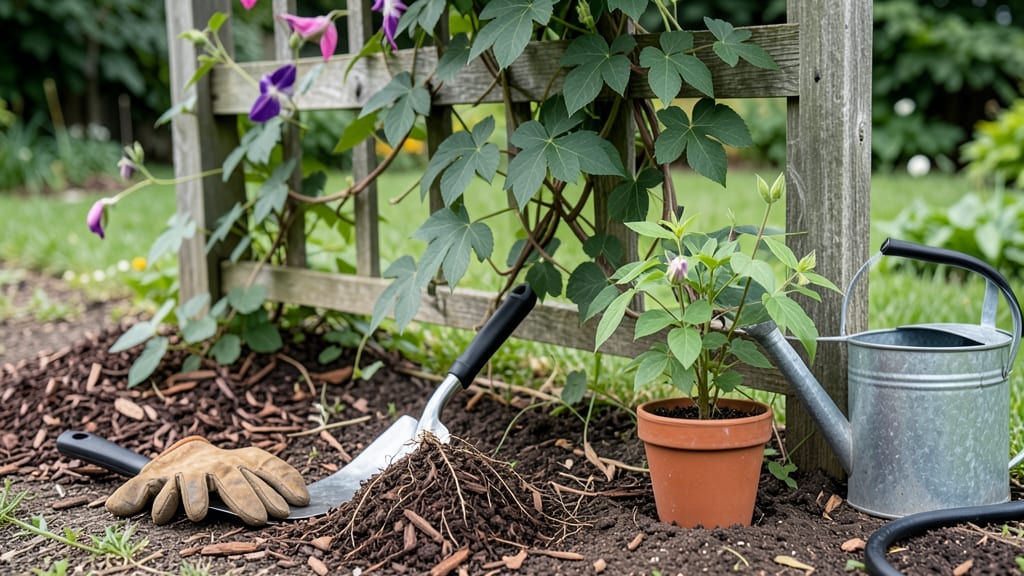
Planting clematis in Texas isn’t just about the calendar—it’s about outsmarting the state’s wild swings from 100°F heat to sudden frost. If you’ve ever watched your 🌸 clematis wilt after a late freeze or struggle to take root in blistering summer, you know timing is everything.
Most Texas gardeners swear by fall planting (September-October) because it gives roots a head start before winter chill sets in. But spring (February-March) works too—if you’re in Zone 9b-10b where frost is rare. The key? Planting when soil temps stay above 50°F but before summer’s brutal dry spells kick in.
I’ve tested both methods in North Texas’ 8a zone and South Texas’ milder climate, and the results speak for themselves. Fall-planted clematis blooms earlier, while spring starters often play catch-up. Either way, proper soil prep and watering make all the difference.
Ready to nail your planting window? I’ll break down exactly when to dig in—plus pro tips to keep your clematis thriving through Texas’ most stubborn weather challenges.
Optimal Texas clematis planting windows: fall vs spring breakdown
Texas gardeners face a unique challenge with clematis—balancing the state’s brutal summer heat with unpredictable winter freezes. The best planting windows depend entirely on your USDA hardiness zone and whether you prefer fall or spring establishment.
Let’s break down the ideal timing for each approach, including regional variations from North Texas (Zone 8a) to South Texas (Zone 10b).
In Texas, fall planting (September-October) often gives clematis a head start, allowing roots to establish before summer’s scorching heat. Meanwhile, spring planting (February-March) risks early frost damage in colder regions.
Your choice hinges on your local last frost date and how quickly your soil warms—critical for clematis, which prefers well-draining, moisture-retentive soil.
Regional frost-free dates vary dramatically: North Texas (e.g., Dallas) averages its last frost around February 15, while South Texas (e.g., Houston) rarely sees frost after January 1. This means gardeners in Zone 8a should prioritize spring planting, while those in Zones 9a-10b can safely plant as late as November.
Here’s the key difference: Fall-planted clematis enter dormancy naturally, emerging stronger in spring, while spring-planted vines must race to establish roots before summer’s 100°F+ temperatures. Both methods work, but your local climate dictates success.
| Factor | Fall Planting (Sept-Oct) | Spring Planting (Feb-Mar) |
|---|---|---|
| Best For | Zones 8a-10b (especially 9a+) | Zones 8a-9a (avoid late spring in 10b) |
| Root Establishment | 6-8 weeks before summer heat | 4-6 weeks before last frost |
| Frost Risk | Low (dormant by winter) | High (young plants vulnerable) |
| Soil Temp | 60-70°F (ideal for roots) | 50-60°F (warms quickly in 10b) |
| Watering Needs | Moderate (fall rains help) | High (critical during root growth) |
| First Blooms | Next spring (stronger vines) | Late spring/early summer (may be sparse) |
For North Texas gardeners (Zones 8a-8b), spring planting in late February to early March minimizes frost risk, while Central Texas (Zones 8b-9a) can stretch planting into early November.
In South Texas (Zones 9b-10b), where winters are mild, fall planting in September-October is ideal—just ensure your clematis gets consistent moisture as temperatures drop.
Pro tip: Use a soil thermometer to confirm soil temps are 60°F+ before planting. Clematis roots struggle to establish in cooler soil, even in spring.
In Zone 10b, where frost is rare, you can even plant in December, but prioritize well-draining soil to prevent root rot in Texas’s heavy clay.
If you’re in a transition zone (e.g., Austin, San Antonio), split your planting: 50% in fall (October) and 50% in spring (March). This hedges your bets against unpredictable weather. Just remember, fall-planted clematis need extra mulch (3-4 inches) to insulate roots during winter.
Timing isn’t the only factor—planting depth matters too. Bury the crown 4-6 inches below soil to protect it from temperature swings. Pair this with a trellis or arbor installed at planting to avoid disturbing roots later.
Your clematis will reward you with vibrant blooms from spring to fall if you nail these details.
Ready to plant? Grab your gloves and a trowel, then check your local Almanac frost dates—your clematis’s success starts with the calendar! 🌸
Optimal Texas clematis planting windows: fall vs spring breakdown
Texas gardeners face a unique challenge with clematis—balancing scorching summers and unpredictable freezes. The best planting windows depend on your USDA zone and whether you prefer fall or spring establishment.
In North Texas (Zones 7b-8a), aim for late September to early October for fall planting, while South Texas (Zones 9a-10b) gardeners can extend planting until November.
Spring planting in Texas works best from February to early March, right after the last frost date. However, this window is tighter in Central Texas (Zones 8a-8b) due to earlier heat arrival.
Always check your local frost-free dates—North Texas averages February 15 for last frost, while South Texas rarely sees frost.
| Factor | Fall Planting (Sept-Oct) | Spring Planting (Feb-Mar) |
|---|---|---|
| Root Establishment | 6-8 weeks before summer heat | 4-6 weeks before last frost |
| Frost Risk | Low (after Sept 15) | High (before March 15) |
| Water Needs | Moderate (cool temps) | High (spring heat) |
| Best For | Established roots before summer | Early blooms next season |
Fall planting gives clematis a head start on root growth before Texas summers arrive. By planting in September or October, your vines will establish a strong root system before 100°F+ temperatures stress young plants. This method also reduces transplant shock compared to spring planting.
For spring planting, focus on February in South Texas or early March in North Texas. This timing ensures your clematis avoids late winter freezes while still benefiting from spring rainfall. However, spring-planted clematis may need extra shade during the first summer to prevent heat stress.
Regardless of season, always plant clematis 4-6 inches deep with the crown below soil level. This protects tender growth from temperature swings and encourages robust root development. In Texas, mulching with 2-3 inches of organic matter helps retain moisture and regulate soil temperature.
Remember: North Texas gardeners should prioritize fall planting, while South Texas gardeners have more flexibility with spring options. Always monitor your local weather forecasts—Texas' unpredictable cold snaps can turn a perfect planting window into a disaster in days.