
Plants
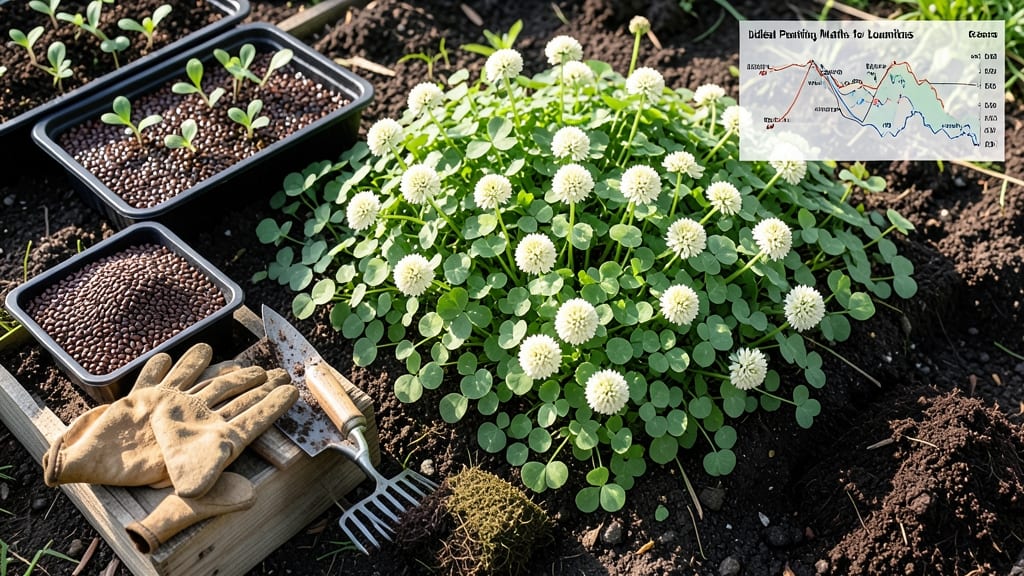
Planting clover in Louisiana at the wrong time can leave you with patchy growth or weeds taking over—so timing is everything. The key to a lush, thriving 🌱 patch lies in understanding your region’s unique climate, where fall and spring offer two distinct opportunities for success.
For most Louisiana gardeners in zones 8a-9b, late summer through early fall (September–October) is the optimal window—when soil temperatures drop below 80°F and humidity stays high. But if you missed that boat, don’t worry: spring planting (February–March) can still yield great results with the right prep.
Why does this matter? Clover isn’t just pretty—it’s a powerhouse cover crop that improves soil health, suppresses weeds, and even attracts pollinators. Whether you’re planting white Dutch clover for lawns or crimson for pastures, getting the timing right means faster germination and stronger roots before summer heat sets in.
I’ll walk you through the exact steps for both seasons, including soil prep, seed selection, and how to handle Louisiana’s tricky microclimates. Let’s get that clover growing the right way!
Best seasons to plant clover in Louisiana: fall vs. spring comparison
Louisiana’s humid subtropical climate creates perfect conditions for clover—but timing is everything. The best planting window depends on whether you prioritize fall establishment or spring recovery. Fall planting (September–October) gives clover a head start, while spring (February–March) works if you missed the fall window.
Let’s break down the pros, cons, and microclimate considerations for each.
For fall planting, aim for September through October when soil temperatures drop below 80°F. This aligns with Louisiana’s USDA Zones 8a–9b, where cooler weather reduces stress on young seedlings.
Spring planting, however, requires more attention to moisture retention and weed competition due to warmer soils and faster germination of unwanted plants.
Northern Louisiana (Zone 8a) has a slightly earlier last frost date (February 15), while southern areas (Zone 9b) can plant as late as March. Always check your local frost-free days—Louisiana averages 240 frost-free days, giving you flexibility but not endless time.
Here’s how the two seasons compare for clover success in Louisiana:
| Factor | Fall Planting (Sep–Oct) | Spring Planting (Feb–Mar) |
|---|---|---|
| Ideal Soil Temp | 60–75°F | 55–65°F |
| Germination Time | 7–14 days | 5–10 days |
| Weed Competition | Low (cooler temps) | High (warm soils) |
| Watering Needs | Moderate (fall rains help) | High (dry spring air) |
| Best Varieties | White Dutch, Crimson | Crimson, Ball |
| Establishment Time | 6–8 weeks | 4–6 weeks |
Fall planting is my top recommendation for Louisiana gardens because it reduces summer stress and maximizes root growth before winter. However, if you’re planting for spring forage or missed the fall window, spring planting can still work with extra care.
The key is to prepare your soil early and monitor moisture closely.
For northern Louisiana, focus on September planting to avoid early frost risks. In southern Louisiana, you can extend planting into early November thanks to milder winters. Always test your soil’s pH (6.0–7.0) and organic matter before planting—clover thrives in loamy, well-draining soil.
Pro tip: If you’re planting clover as a cover crop, fall is ideal for soil improvement before spring planting. In Louisiana’s heat, clover can fix nitrogen and suppress weeds while adding organic matter to depleted soils. Just remember: overseeding too late in fall risks winterkill, especially in Zone 8a.
For spring planting, start seeds 2–3 weeks before your last frost date to give them time to establish before summer heat sets in. Use shade cloth if planting in partial shade areas, as Louisiana’s humidity can stress young clover without adequate airflow.
🌱
Best seasons to plant clover in Louisiana: fall vs. spring comparison
Louisiana’s humid subtropical climate creates two ideal windows for planting clover: late summer/fall (September–October) and early spring (February–March). But which season wins for your soil health and growth goals? The answer depends on your specific needs—whether you’re aiming for a dense cover crop or quick weed suppression.
Fall planting is the gold standard for Louisiana because cooler temperatures and higher humidity create perfect conditions for clover germination. Seeds sprout faster when soil temps drop below 80°F, and established plants can handle winter’s chill before summer’s heat arrives.
Spring planting, while possible, requires more effort to outpace weeds and heat stress.
Here’s how the two seasons stack up for your Louisiana garden:
For northern Louisiana (Zone 8a), aim for September 15–October 15 to avoid early frosts. In southern Louisiana (Zone 9b), extend your window until November 1—just don’t plant after the first frost, which can stunt young seedlings.
Spring planting should start 2–3 weeks before your last frost date (typically mid-February for Zone 8a, early February for Zone 9b).
Pro tip: If you’re planting white Dutch clover for lawns, prioritize fall—it handles cold better and crowds out weeds faster. For crimson clover in pastures, spring works well if you’re in a warmer microclimate like New Orleans or Baton Rouge.
Both varieties thrive in Louisiana’s acidic to neutral soils (pH 6.0–7.0), but fall planting gives you the edge.
Ready to dive deeper? My next section covers a step-by-step fall planting guide with soil prep secrets and seeding rates tailored to Louisiana’s climate. Don’t miss it!