
Plants
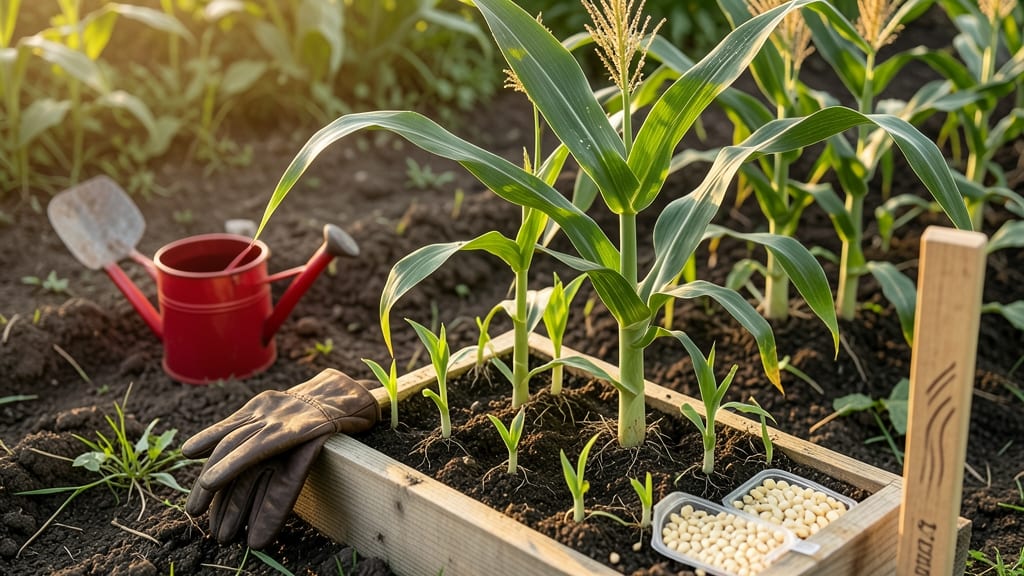
Planting corn in Connecticut at the wrong time can mean the difference between a golden harvest and a sad, frost-nipped disappointment. With USDA Zone 6a frost dates that shift yearly, timing your 🌽 planting window is the key to sweet, plump ears by summer.
Most gardeners in Connecticut wait until mid-April to early May, but soil temperature matters more than the calendar. Corn needs warm soil—at least 60°F—to germinate properly, and rushing it can leave your seeds sitting cold and unhappy.
That’s why I always check my soil thermometer before dropping those seeds in the ground.
You’ll also want to choose the right variety for your late-July harvest goals. Early maturing types like ‘Golden Bantam’ give you flexibility, while slower growers need that perfect window to reach full size before fall frost.
Let’s break down exactly when to plant for your zone and how to give your corn the best start possible.
From frost dates to soil prep, I’ll walk you through every step to ensure your corn thrives—no guesswork, just reliable, Connecticut-approved growing tips. Ready to grow ears that’ll make your neighbors jealous?
Connecticut corn planting deadlines by hardiness Zone (2024 guide)
Connecticut's three USDA hardiness zones (5-7) create distinct planting windows for corn, where timing determines whether you get tender sweet corn or frost-damaged stalks.
The last spring frost typically arrives between April 15 and May 1, but soil temperature is the real game-changer—corn needs at least 60°F soil to germinate properly. In colder Zone 5 areas, wait until mid-May unless you use row covers.
For sweet corn varieties, aim to plant 2-3 weeks after your last frost date to ensure harvest before fall frosts hit in mid-October. Field corn, which matures later, can handle slightly later plantings but still needs 90-120 frost-free days to reach maturity.
My 2024 planting calendar below breaks down zone-specific deadlines with soil temperature benchmarks.
🌱
Connecticut Corn Planting Deadlines by Zone
| Zone | Last Frost Date | Ideal Planting Window | Soil Temp Requirement | Harvest Window |
|---|---|---|---|---|
| 5 (Northeast CT) | April 20-May 5 | May 15-June 1 | 60°F+ (use row covers) | Late July-Sept 15 |
| 6a (Central CT) | April 15-May 1 | April 30-May 20 | 60°F+ (standard) | Mid-July-Oct 1 |
| 7 (Southwest CT) | April 1-May 15 | April 15-May 10 | 55°F+ (earlier possible) | Early July-October |
In Zone 5, where frosts linger longer, I recommend short-season varieties like 'Early Sunglow' (65 days) or 'Ambrosia' (75 days) to avoid fall frosts.
For Zone 7, you can push the envelope with succession planting—try a second crop in late June for a fall harvest, using 75-85 day varieties like 'Silver Queen' or 'Peaches and Cream'.
Don't rely solely on frost dates—soil temperature is your true guide. Corn seeds won't sprout below 50°F, and germination slows dramatically below 60°F.
I test my soil daily in spring with a cheap digital thermometer ($10 at garden centers) until it consistently hits 60°F for 3+ days. This small step prevents the heartbreak of slow, uneven sprouting or seed rot.
Another critical factor is daylength. Corn is sensitive to photoperiod, meaning shorter days in fall can trigger premature tasseling. To combat this, I plant early-maturing varieties in Zone 5 and use black plastic mulch to warm the soil faster.
For Zone 7 gardeners, you can experiment with late-summer plantings (June 15-July 1) for a fall harvest, but choose 85+ day varieties like 'Country Gentleman'.
🌾
If you're new to corn growing, here's my foolproof planting checklist for Connecticut:
- Test soil temperature daily after last frost
- Plant in blocks (not rows) for better pollination
- Use 1-inch depth and 4-6 inch spacing
- Keep soil moist but not waterlogged
- Thin seedlings to 12 inches apart when 6 inches tall
- Watch for tasseling (pollen shed) to time harvest
One common mistake I see is planting too early in hopes of a longer season. Corn planted in cold soil (<55°F) often develops fungal diseases like seed rot or damping-off. Always wait for consistent warmth—your plants will thank you with stronger stalks and bigger ears.
For Zone 6a gardeners, this usually means late April to early May at the earliest.
☀️
Best corn varieties for Connecticut gardens & their planting needs
Choosing the right corn variety for Connecticut’s climate makes all the difference in your harvest. With short growing seasons and variable weather, you’ll want types that mature quickly but still deliver sweet, flavorful ears.
My top picks for CT gardens balance disease resistance, maturity speed, and adaptability to our USDA Zone 6a conditions.
For example, ‘Golden Bantam’ is a classic dwarf variety that matures in just 60-70 days, perfect for early planting or container gardens. Meanwhile, ‘Ambrosia’ takes 85-90 days but offers superior sweetness and disease resistance—ideal if you’re aiming for a late-summer harvest before frost.
Here’s how these top varieties stack up for Connecticut gardeners, including their planting depth, spacing needs, and ideal soil conditions:
When planting, remember to space seeds in blocks, not rows, to improve pollination. For example, plant ‘Ambrosia’ in a 3x3 foot grid with seeds every 12 inches apart. This ensures better wind pollination and stronger stalks.
Also, pay attention to soil warmth—corn won’t germinate well in cold soil. Use a soil thermometer to confirm temperatures are above 60°F before planting, especially for slower varieties like ‘Country Gentleman’, which needs that extra warmth to reach maturity.
Pro tip: If you’re planting later in the season, opt for short-season varieties like ‘Peaches and Cream’. Its 80-day maturity gives you flexibility to plant as late as early June while still harvesting before frost. Just be sure to choose a disease-resistant variety to combat CT’s humid summers.
🌱