
Plants
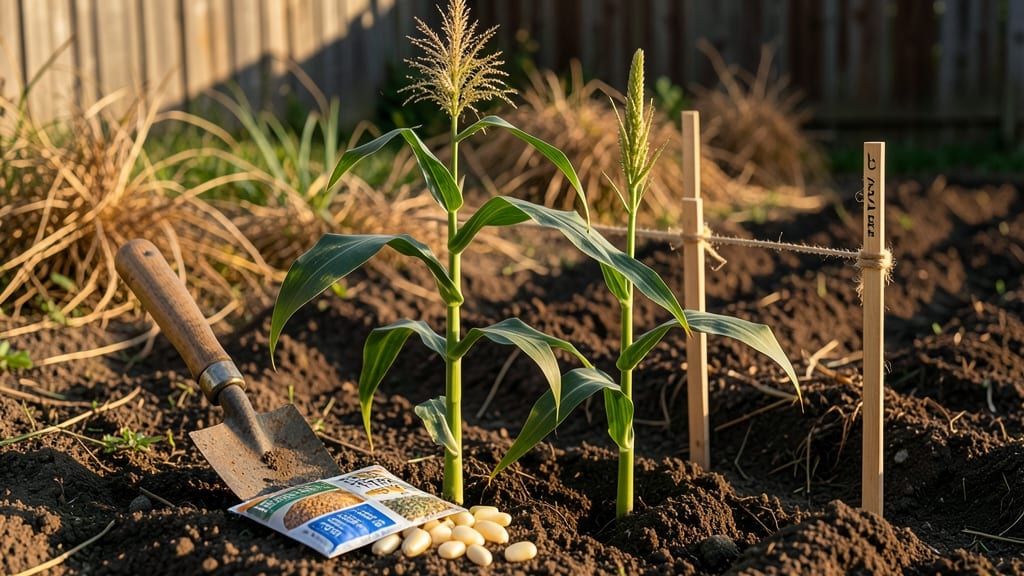
Planting corn in North Alabama at the wrong time can mean the difference between a bumper crop and a total flop—especially when late frosts or scorching summer heat throw off your schedule.
The ideal window runs from April 15 to May 15, but even then, you’ll need to watch for soil temperatures and last frost dates to avoid losing your 🌽 plants before they even sprout.
This isn’t just about memorizing dates—it’s about reading your local microclimate. In the 7a-7b zones of North Alabama, frost can linger until mid-March, while heat waves might arrive earlier than expected.
I’ll show you how to time your planting for maximum success, whether you’re growing early sweet corn or late-season varieties that need every warm day to mature.
You’ll also discover how to adjust for soil readiness, which is just as critical as the calendar. Cold soil slows germination, and waiting too long can leave your corn struggling in the summer heat.
Let’s break down the exact steps to get your corn off to the best possible start—so you can enjoy fresh ears from July through September.
From choosing the right variety to handling unexpected weather, this guide covers everything you need to know. By the end, you’ll feel confident about when to plant corn in North Alabama—and how to give your crop the best shot at thriving in this unpredictable climate.
North Alabama heat zones: when to plant corn for optimal growth
North Alabama’s USDA zones 7a-7b create a delicate balance for corn growers—too early and frost zaps your seedlings, too late and summer heat stunts growth.
The ideal planting window spans April 15 to May 15, but your exact timing depends on your specific heat zone and corn variety maturity group.
Zone 7a (colder areas like Limestone County) typically has a later last frost date (mid-April), while zone 7b (warmer areas like Madison County) can start planting 2-3 weeks earlier.
For 8a zones near Huntsville, you might even squeeze in a late March planting for early varieties.
Here’s the critical factor: corn needs soil temperatures above 60°F to germinate properly. In North Alabama, this usually happens between late April and early May, but a soil thermometer is your best friend for precision.
Your corn variety’s maturity days also dictate timing. Early sweet corn (60-75 days) can go in by April 1 in zone 7b, while late-season varieties (90+ days) need to be planted by May 10 to mature before fall frosts arrive.
Let’s break down the exact planting windows by zone, including frost risk timelines and ideal maturity groups for each area.
For zone 7a, aim for mid-April plantings—this gives your corn enough time to mature before fall frosts hit in mid-November. In zone 7b, you can start as early as late March for early varieties, but be ready to cover seedlings if late frosts roll in.
In zone 8a, the window opens even earlier, but watch for heat stress if planting too early. Corn planted before soil warms to 60°F may rot in cold, wet soil—a common issue in North Alabama’s spring rains.
Pro tip: Use black plastic mulch to warm soil faster in cooler zones. This can push your planting window 1-2 weeks earlier and improve germination rates dramatically.
Remember, these are general guidelines. Always check your local Alabama Cooperative Extension Service for year-specific frost forecasts, as North Alabama’s climate can shift unpredictably.
Once you’ve nailed down your planting window, the next critical step is confirming your soil is truly ready—we’ll cover that in the next section, including how to adjust for late frosts or dry spells that might delay your schedule.
Signs your soil is ready for corn planting in North Alabama
Even with the perfect planting window, cold soil can sabotage your corn before it even sprouts. The most critical sign your soil is ready is a consistent temperature above 60°F at 4-inch depth.
In North Alabama, this typically aligns with late April to early May, but don’t guess—use a soil thermometer for accuracy.
Another key indicator is moisture balance. Your soil should feel like a damp sponge—not soggy or bone-dry. Corn roots need consistent moisture to establish quickly, but waterlogged soil can cause seed rot. If your garden feels compacted after spring rains, amend with compost to improve drainage before planting.
🌱 Watch for these 3 readiness signs:
- Soil temperature consistently above 60°F
- Moisture level that holds but doesn’t pool
- Last frost risk has passed (verify with your local extension office)
If you’re planting in April and face unexpected late frosts, consider using row covers or black plastic mulch to protect seedlings. These tools can extend your effective planting window by 1-2 weeks by warming the soil faster and shielding young plants from temperature swings.
One common mistake in North Alabama is relying solely on air temperature rather than soil temperature. A 70°F afternoon might feel warm, but if your soil is still chilly from overnight lows, your corn seeds could fail to germinate.
Always check morning soil temps—this is when they’re at their lowest.
For dry spells, which are increasingly common in North Alabama summers, pre-moisten your planting rows 24 hours before sowing. This gives seeds the hydration boost they need to sprout consistently.
If your soil feels dry deeper than 2 inches, water deeply the day before planting to ensure even moisture distribution.
Finally, pay attention to local weather patterns. If your area typically experiences unpredictable late frosts (like in the Tennessee Valley), hold off planting until you’ve confirmed a stable warm trend. The Alabama Cooperative Extension Service offers free frost forecasts—bookmark their site for real-time updates.