
Plants
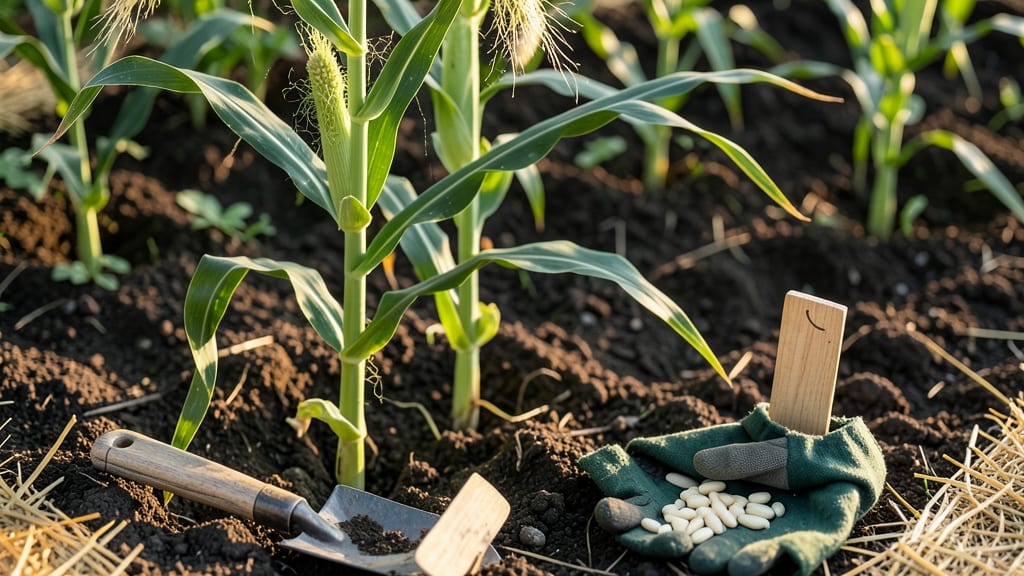
Timing your 🌽 corn planting in Seattle isn’t just about waiting for spring—it’s about outsmarting the city’s unpredictable weather. Plant too early, and a late frost could wipe out your crop before it even sprouts.
Too late, and you’ll miss the short growing season that stretches from July to September, leaving you with underdeveloped ears.
I’ve learned the hard way that Seattle’s Zone 8a climate demands precision: soil needs to hit 60°F (15°C) consistently, and the last frost typically passes by mid-May. But here’s the catch—your neighborhood’s microclimate (whether you’re near Puget Sound or an urban heat island) can shift that window by weeks.
In this guide, I’ll break down exactly when to plant your corn for maximum success, including how to check soil temperature, adjust for local conditions, and avoid common mistakes that ruin yields.
By the end, you’ll know the perfect planting window—and how to extend it if needed—for sweet, plump ears straight from your Seattle garden.
Ready to grow corn that rivals the best farmers' markets? Let’s get started with the soil temp checklist that’ll set you up for a harvest you’ll be proud of.
Ideal soil temperature and planting timeline for Seattle corn
Corn thrives when planted at the right soil temperature—and Seattle’s cool, damp springs make timing critical. Unlike warmer climates, corn seeds in Seattle won’t germinate reliably until the soil reaches a steady 60°F (15°C).
Waiting for this threshold ensures strong root development and avoids the risk of frost damage or slow growth.
Historical data shows Seattle’s last average frost date falls around March 15, but soil warms gradually. By mid-May to early June, most areas hit that 60°F mark consistently.
This window aligns with Seattle’s USDA Zone 8a/8b guidelines, giving corn enough time to mature before the first frost in November.
To track soil temperature, use a soil thermometer or check local weather stations like the University of Washington’s AgWeatherNet. For example, in 2023, Seattle’s soil hit 60°F on May 20, but years like 2022 saw it as early as May 5.
Planting too soon risks cold soil stress, while waiting too long may shorten the harvest window.
Here’s your Seattle corn planting checklist to nail the timing:
| Stage | Action | Seattle Timeline |
|---|---|---|
| Soil Prep | Test soil pH (aim for 6.0–7.0), add compost, and till to 12 inches deep. | Late March–early April |
| Planting Window | Sow seeds 1 inch deep, 4 inches apart, in rows 3 feet apart. | Mid-May to early June (after 60°F soil temp) |
| Germination | Keep soil moist (1–1.5 inches water weekly) and protect from late frosts. | 7–14 days after planting |
| Harvest Ready | Harvest when silks turn brown and kernels are milky (70–90 days after planting). | Late July–early September |
Pro tip: If you’re eager to plant earlier, try a cold frame or row covers to warm the soil faster. Place them over your planting area 2–3 weeks before your target date to accelerate soil temperature rise by 5–10°F. Just remove covers once seedlings emerge to avoid overheating.
Seattle’s short growing season (about 165 frost-free days) means choosing the right corn variety matters. Opt for short-season varieties like ‘Early Sunglow’ (70 days) or ‘Golden Bantam’ (80 days) to ensure a harvest before fall frosts.
Longer-season varieties like ‘Silver Queen’ (110 days) may struggle unless you start seeds indoors in late March.
One common mistake is relying solely on calendar dates instead of soil temperature. For example, planting on May 1 might feel safe, but if the soil is still 55°F, germination could take 3+ weeks—leaving you with stunted plants.
Always test your soil for 3–5 days before planting to confirm consistency.
For extra insurance, plant a successive crop every 2 weeks between mid-May and early June. This staggered approach ensures a continuous harvest and accounts for Seattle’s unpredictable weather shifts. Even if one planting gets delayed by rain, you’ll still have corn ready to pick by summer’s end.
🌱
How to adjust your planting schedule for Seattle’s microclimates
Seattle’s diverse neighborhoods create microclimates that can shift your corn planting window by weeks. A sunny urban heat island in South Lake Union might be ready for seeds by early May, while a shady Eastside garden near Woodinville could need to wait until late May.
Understanding these variations ensures your corn thrives where you plant it.
Your elevation plays a huge role—higher areas like Queen Anne or Capitol Hill stay cooler longer, while low-lying spots near Puget Sound warm faster. Even a 100-foot difference can mean a 2-week delay in planting.
Check your neighborhood’s average last frost date using the USDA Zone 8a/8b map and adjust accordingly.
If you’re near water bodies like Lake Washington or Portage Bay, expect cooler, slower-warming soil. Test your garden’s temperature with a soil thermometer at 4-inch depth—corn seeds need consistent 60°F+ for 5+ days before planting.
Pro tip: Dark-colored mulch (like straw) absorbs heat and can push your planting window 5-7 days earlier in cooler microclimates.
For hilly areas (e.g., Magnolia or West Seattle), plant on south-facing slopes to capture extra sun. These spots can be 3-4°F warmer than north-facing gardens, giving your corn a head start. Always monitor 7-day forecasts—Seattle’s late-May rain can delay planting by a week or more.
Don’t forget urban heat islands like Downtown or Pioneer Square, where pavement radiates heat. Here, you might plant 1-2 weeks earlier than the general guideline. Pair this with drip irrigation to prevent soil from drying out too quickly in these hot pockets.
🌱