
Plants
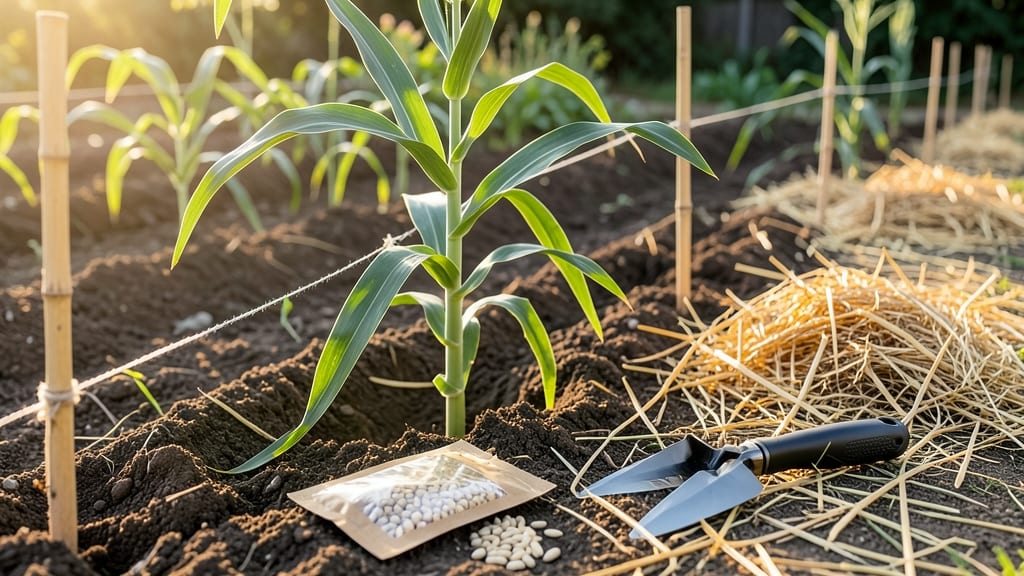
Planting corn in Western Washington can feel like a high-stakes game of timing—get it wrong, and you might end up with stunted 🌽 or miss the harvest window entirely.
The key lies in understanding how coastal and inland microclimates differ, especially when last frost dates hover around March 15 but soil temperatures lag behind.
Unlike warmer climates, Western Washington’s cool summers demand precise planting windows—typically between mid-April and early June—to ensure your corn matures before the first frost in October.
But here’s the catch: coastal areas stay cooler longer, while inland zones can heat up faster, creating a 10-14 day difference in ideal planting dates.
In this guide, I’ll break down the exact timing for your region, whether you’re near the coast or tucked inland, plus how to pick the right corn varieties to beat the odds.
You’ll learn when to start seeds indoors, how to adjust for late springs, and even how succession planting can stretch your harvest into early fall.
Ready to grow sweet, homegrown corn that thrives despite Western Washington’s quirks? Let’s get started with the perfect planting schedule for your garden.
Optimal corn planting dates for Western Washington’s coastal vs inland zones
Western Washington’s climate throws a curveball at corn growers—coastal areas stay cooler and wetter longer, while inland zones can heat up faster. To avoid stunted growth or frost damage, timing is everything.
The key is planting after your average last frost date (typically mid-April to late April for most areas) but before soil temperatures drop below 50°F (10°C) at night.
Coastal regions like Olympia and Bellingham (USDA Zones 8-9) often have later frost dates and cooler summers, while inland areas like Yakima or Wenatchee (Zones 7-8) can start planting 2-3 weeks earlier.
This difference means your planting window shifts dramatically—just a few miles inland could mean earlier harvests or even second crops.
Here’s how to align your planting with Western Washington’s microclimates:
For coastal gardeners, prioritize short-season varieties (60-70 days to maturity) to avoid cool-summer setbacks. Inland growers can push mid-season varieties (80-90 days) for larger ears. Always check your local Almanac frost dates—they vary yearly due to Pacific Ocean influences.
Pro tip: Use a soil thermometer to confirm 50°F (10°C) soil temps before planting. Cold soil slows germination, leaving seedlings vulnerable to damping-off disease. If temps are too low, wait—patience beats rushed failures.
Western Washington’s rainy springs can also delay planting. If your soil stays soggy past your ideal window, opt for raised beds or container growing to warm the soil faster. Just ensure your containers have drainage holes to prevent root rot.
Once planted, consistent moisture is critical—corn needs 1-1.5 inches of water weekly during tasseling. Use drip irrigation to avoid wetting leaves, which reduces fungal risks. Inland areas may need more frequent watering due to hotter, drier summers.
Timing isn’t just about frost dates—it’s about heat-unit accumulation. Corn needs 1,000-1,200 growing degree days (GDD) to mature. Coastal areas often fall short, so early-maturing varieties like ‘Ambrosia’ (70 days) or ‘Golden Bantam’ (65 days) are safer bets.
Inland zones can handle ‘Silver Queen’ (90 days) or ‘Peaches and Cream’ (85 days).
Remember: Succession planting works in Western Washington! If your first crop bolts (grows too fast) due to unexpected heat, sow a second batch 2 weeks later for a staggered harvest. Just adjust spacing to avoid overcrowding—corn needs 3 feet between rows for proper airflow.
🌱
How to adjust planting timing for early vs late varieties in Washington’s climate
Choosing the right corn variety for Western Washington isn’t just about flavor—it’s about beating the clock. Early-season varieties (60-70 days to maturity) are your best bet for coastal areas where summers can be unpredictably cool.
These quick-maturing types like ‘Ambrosia’ or ‘Golden Bantam’ ensure you harvest before the first October frosts threaten your crop.
Inland zones with hotter summers (like Yakima Valley) can handle mid-season varieties (80-90 days) such as ‘Silver Queen’, which develop larger ears. The key is matching your variety to your local heat-unit accumulation—coastal areas often fall short of the 1,000-1,200 GDD needed for full maturity.
For coastal gardeners, stick to short-season varieties and plant by May 1 to guarantee harvests before September’s cooling trends. Inland growers can push mid-season types but must start by April 15 to avoid heat stress during pollination.
Pro tip: Use succession planting to extend your harvest. If your first planting bolts due to unexpected heat, sow a second batch 2-3 weeks later with a shorter variety. This staggered approach ensures continuous fresh ears from July through September.
Always check your local heat-unit maps—Western Washington’s Pacific influence creates microclimates where a 10-mile difference can mean 2 weeks of growth. For example, Seattle’s cooler summers may only support 70-day varieties, while Walla Walla’s heat can handle 90+ day types.
Remember: Soil temperature matters more than air temperature. Use a soil thermometer to confirm 50°F (10°C) before planting—cold soil delays germination, risking seedling rot. If temps are too low, wait or use black plastic mulch to warm the soil faster.
🌽