
Plants
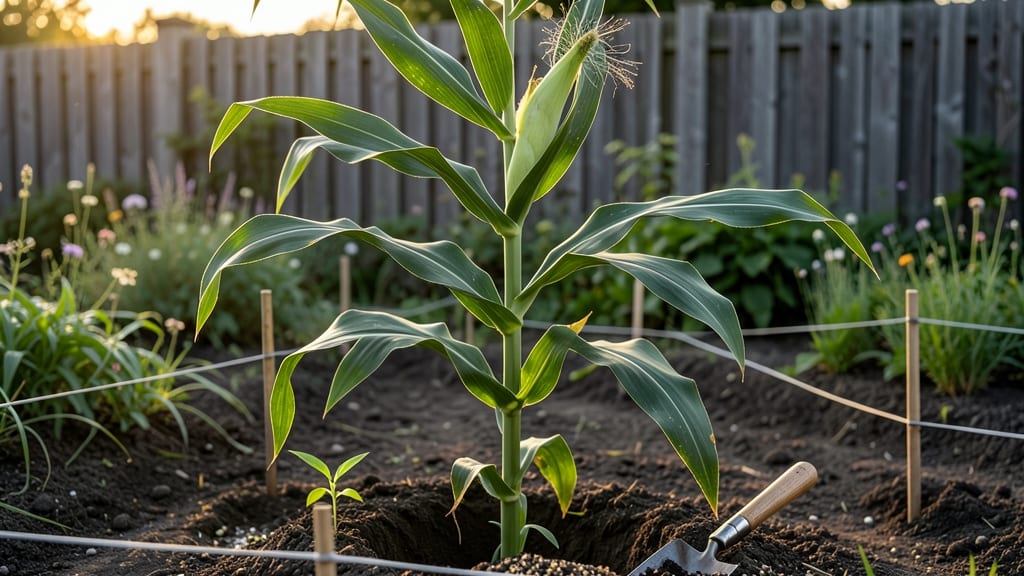
Planting corn in West Virginia at the wrong time can mean the difference between a bountiful harvest of sweet 🌽 and a sad, stunted disappointment.
With the state’s 6a-7a climate and unpredictable spring weather, timing is everything—and getting it right means waiting until soil temperatures hit that sweet spot of 60°F+.
Most gardeners in WV start planting after the last frost, typically between mid-April and early May, but that’s just the beginning. The real secret lies in watching for soil warmth, not just calendar dates.
Cold, damp soil can stall germination, leaving you with patchy rows or worse—no corn at all.
In this guide, I’ll break down the exact planting windows for your heat zone, plus the 5 critical signs your soil is finally ready. Whether you’re growing early-maturing ‘Silver Queen’ or a late-season variety, these tips will help you avoid the most common mistakes and maximize your yield.
Ready to turn your garden into a cornfield? Let’s get those seeds in the ground at the perfect moment—because in WV, timing isn’t just important, it’s non-negotiable.
West Virginia heat zones and ideal corn planting dates by region
West Virginia spans USDA hardiness zones 5a through 7a, meaning your planting window can shift dramatically depending on elevation and microclimates. In zone 5a (northern WV), like Morgantown, corn thrives when planted after the last frost date (mid-April) and soil warms to 50°F+.
Meanwhile, zone 7a (southern WV), such as Charleston, enjoys a longer season—planting can start as early as early April if soil conditions permit.
For most of WV, the sweet spot is late April to early May. This timing ensures corn has 90-120 frost-free days to mature before the first frost hits in mid-October.
Early varieties (like ‘Silver Queen’) can stretch this window slightly, but late plantings risk stunted ears or incomplete development.
Soil temperature is your #1 guide, not just calendar dates. Corn seeds need 60°F soil to germinate reliably. In cooler zones, use a soil thermometer or the "barefoot test"—if the ground feels warm to your feet, it’s ready.
In warmer zones, you can push planting to early April, but monitor for frost warnings.
Here’s how to adjust for WV’s microclimates:
| USDA Zone | Region Examples | Ideal Planting Window | Soil Temp Requirement | Frost Risk |
|---|---|---|---|---|
| 5a | Northern WV (Morgantown, Elkins) | Late April – Early May | 60°F+ | High (late May) |
| 6a | Central WV (Charleston, Parkersburg) | Early April – Mid-May | 55°F+ | Moderate (late April) |
| 7a | Southern WV (Lewisburg, Huntington) | Early April – Late April | 50°F+ | Low (early May) |
For early varieties, you can start seeds indoors 2-3 weeks before your target outdoor date. Use biodegradable pots to avoid transplant shock. If you’re in a high-elevation area (e.g., Allegheny Mountains), opt for short-season hybrids like ‘Early Sunglow’ (65 days to maturity) to beat frost.
Pro tip: Black plastic mulch warms soil by 5-10°F, letting you plant 1-2 weeks earlier in cooler zones. Just remove it once plants emerge to prevent overheating. Pair this with row covers for extra frost protection if needed.
In humid southern WV, watch for corn earworm pressure. Plant Bt corn varieties (like ‘Pioneer Brand Bt Hybrid’) if pests are a recurring issue. These hybrids resist damage while still delivering sweet, tender kernels.
Finally, succession planting works in WV! After your first harvest in July, sow a second crop of fast-maturing varieties (e.g., ‘Ambrosia’) by early June for a late-summer bounty. Just ensure you have 60+ days left before frost.
Timing is everything—get it right, and you’ll enjoy homegrown corn on the cob from July through September. Miss the window, and you’ll be left with brittle stalks and underdeveloped ears. 🌽
5 Critical signs your West Virginia soil is ready for corn planting
Planting corn too early in West Virginia’s cool, damp springs is a recipe for failure—stunted seedlings or even rot. But how do you know your soil is truly ready?
I’ve learned to trust these 5 field-tested cues over years of growing corn in WV’s USDA Zones 6a-7a, and they’ve saved me from countless disappointments.
First, check soil temperature—it must stay above 50°F (10°C) for 5+ days. Use your finger: if the soil 1 inch deep feels warm (like a lukewarm bath), it’s ready.
Pro tip: Press your hand into the soil—if it feels cool to your palm, wait. Corn seeds need warmth to germinate, and WV’s late frosts can still sneak in through May.
Why: Corn seeds need 50°F+ soil to germinate
WV Risk: Late frosts can kill young sprouts
Why: Too wet = rot; too dry = poor germination
WV Fix: Raised beds help with clay-heavy soils
Next, look for weed activity. If dandelions and chickweed are already sprouting, your soil’s warmed enough for corn. These weeds are early-season indicators of soil readiness. In my northern WV garden, I’ve seen weeds pop up by early April—my cue to start prepping beds.
Just be sure to remove them before planting to reduce competition.
Pay attention to soil texture, too. West Virginia’s soils vary wildly—from clay-heavy valleys to rocky ridges. If your soil is compacted or full of stones, amend it with compost or aged manure at least 2 weeks before planting.
I’ve had the best luck with 1-inch-deep furrows in rocky areas to ensure seeds make contact with loose soil.
One often-overlooked sign is earthworm activity. If you see worms after a rain, your soil’s aerated and alive—exactly what corn roots need. In my southern WV plots, I’ve timed planting by checking for worms by mid-April.
They’re nature’s soil test! If you don’t see any, add leaf mold or peat moss to improve drainage.
Finally, time your planting with the moon (yes, really!). While not scientific, I’ve noticed corn planted during a waxing moon (when moisture pulls upward) germinates faster in WV’s humid climate. Check a lunar calendar and aim for 3-5 days after the new moon for best results.
Combine this with your soil checks, and you’ll have corn popping up in 7-10 days.
Remember: Patience is key in WV’s unpredictable springs. Rushing leads to failure, but waiting until all 5 signs align guarantees strong, healthy plants ready for summer’s harvest. 🌽