
Plants
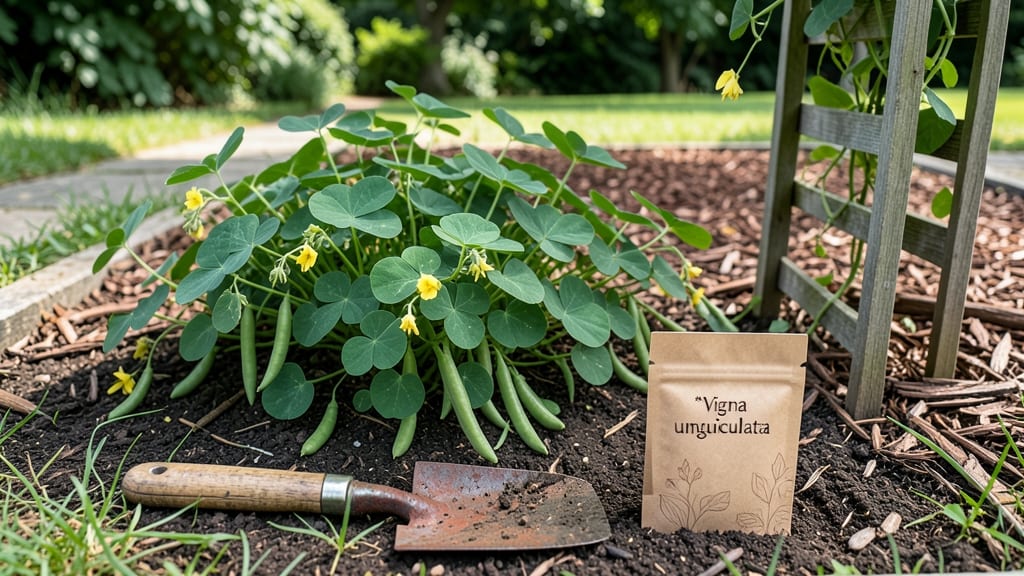
Planting cowpeas in Oklahoma at the wrong time could mean the difference between a bountiful harvest and wasted effort—especially when unpredictable spring weather throws frost at your 🌱 seedlings. With USDA zones 6b-7a and frost-free days ranging from 180-210, timing is everything for these heat-loving legumes.
Most gardeners in Oklahoma make one of two mistakes: planting too early and risking frost damage, or waiting too long and missing the ideal 60°F soil temperature window. The key is knowing when to start seeds indoors or sow directly after your last frost date—typically April 15 for spring plantings.
But here’s the game-changer: cowpeas aren’t just a spring crop. Oklahoma’s hot summers mean you can also plant them in late summer (August 1-September 15) for a fall harvest. This two-season strategy maximizes your yield while working with the climate.
Let’s break down the exact planting windows, soil prep tips, and variety choices that thrive in Oklahoma’s heat—so you can avoid common pitfalls and enjoy fresh cowpeas from July through October.
Oklahoma’s cowpea planting zones: when to avoid frost damage
Oklahoma’s USDA zones 6b-7a create a unique challenge for cowpea growers—cool northern regions (like Enid) face later last-frost dates (April 15), while southern areas (like Tulsa) can plant as early as March 20.
Cowpeas thrive in warm soil (60°F+) and full sun (6-8 hours), making timing critical to avoid frost damage.
In northern Oklahoma, wait until mid-April after the average last frost date. Southern regions can start 2-3 weeks earlier, but always monitor soil temperatures—cold soil slows germination. Use a soil thermometer to confirm readiness before planting.
Cowpeas are heat-tolerant but frost-sensitive. Even a light frost (32°F) can kill seedlings, so avoid planting before your local frost-free date. Check the Oklahoma Mesonet for real-time updates on frost risk in your area.
Key frost-free benchmarks for Oklahoma:
- North (e.g., Woodward, Enid): April 15 (last frost)
- Central (e.g., Oklahoma City): April 1
- South (e.g., Tulsa, Lawton): March 20
| Region | USDA Zone | Last Frost Date | Ideal Planting Window | Soil Temp Threshold |
|---|---|---|---|---|
| Northern OK (Woodward, Enid) | 6b | April 15 | April 20 - May 15 | 60°F+ |
| Central OK (Oklahoma City) | 7a | April 1 | March 25 - May 10 | 60°F+ |
| Southern OK (Tulsa, Lawton) | 7b | March 20 | March 1 - April 30 | 60°F+ |
🌱 Pro Tip: Use row covers if planting early to protect seedlings from late frosts.
For late-summer plantings (August-September), focus on heat-tolerant varieties like ‘Purple Hull’ or ‘California Black-Eyed Pea’. These thrive in Oklahoma’s 90°F+ summers and can produce pods until the first frost (mid-November in most areas).
If you’re unsure about your local frost dates, consult the Oklahoma State University Extension or use the Almanac’s Frost Calculator. These tools provide hyper-local data to refine your planting schedule.
Remember: Cowpeas fix nitrogen in the soil, making them a great companion plant for corn, peppers, or tomatoes. But avoid planting near alliums (onions, garlic), as they can stunt growth. Strategic placement maximizes your garden’s efficiency!
Once you’ve nailed down your planting zone, the next step is timing—let’s dive into a month-by-month planting guide tailored to Oklahoma’s climate in the next section. 🌿
Step-by-step cowpea planting timeline for Oklahoma’s climate
Oklahoma’s 60°F soil temperature threshold is your green light to plant cowpeas—aim for April 15 in most regions, but adjust based on your last frost date. Use a soil thermometer to confirm readiness, as cool soil delays germination. In northern Oklahoma, wait until May 1 to avoid late frost surprises.
For a fall harvest, plant again in August 1-September 15 when daytime highs stay above 80°F. This late window works perfectly for heat-tolerant varieties like ‘Purple Hull’, which thrive in Oklahoma’s summer heat. Mark your calendar now!
Here’s your month-by-month planting schedule with soil prep and watering tips to maximize success:
🌱 Direct sow after last frost (test soil at 60°F)
💧 Water 1 inch weekly; mulch to retain moisture
🌱 Succession plant every 2 weeks for continuous harvest
☀️ Ensure 6+ hours of sun; avoid waterlogging
🌱 Late-season planting for fall pods (choose heat-tolerant varieties)
💧 Reduce watering to every 5 days as temps rise
✂️ Harvest pods when 3–4 inches long (seeds firm but not hard)
🌿 Companion plants: Corn, okra, or cucumbers improve growth
Pro tip: Cowpeas fix nitrogen in the soil, so rotate them with heavy feeders like tomatoes or peppers. After harvest, chop residual plants and till into the soil to boost next year’s garden fertility. Oklahoma’s clay-heavy soil benefits from this natural amendment!
Watch for aphids or spider mites during dry spells—spray plants with water in the morning to deter pests. If drought hits, prioritize watering cowpeas over less critical crops; their deep roots make them surprisingly resilient once established.
With this timeline, you’ll enjoy fresh cowpeas from July through October, even in Oklahoma’s variable climate. Start small—try a 3-foot row—to test your local conditions before scaling up.