
Plants
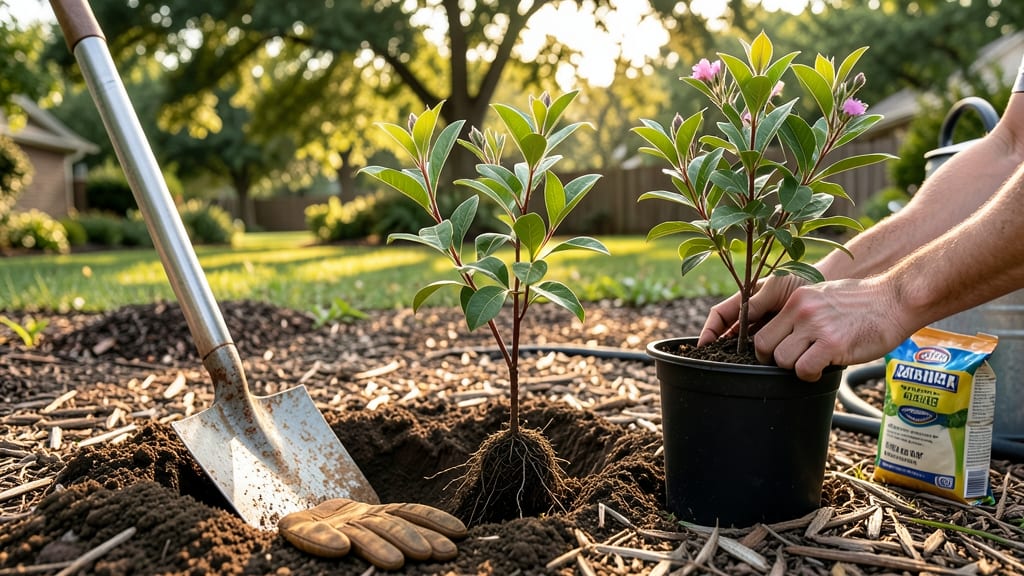
Planting your crape myrtle 🌸 at the wrong time in Zone 9 can mean the difference between vibrant blooms and struggling roots—so timing isn’t just important, it’s everything.
If you’ve ever watched your crape myrtle wilt after planting or struggle to take root, you’re not alone. The key lies in waiting for the soil to warm up to 60°F or higher, a critical step most gardeners overlook.
This simple check prevents transplant shock and sets your plant up for a strong start.
In Zone 9, the ideal window stretches from late winter to early spring, but there’s more to it than just months—microclimates matter too. Whether you’re in coastal Southern California or inland desert areas, I’ll show you exactly when to dig in for healthier growth and bigger blooms.
Let’s break down the science-backed method, including soil tests and regional adjustments, so you can plant with confidence and watch your crape myrtle thrive all season.
Zone 9 crape myrtle planting timeline: soil temperature rules for success
In Zone 9, your crape myrtle’s success starts with soil temperature, not just the calendar. Planting too early when soil is still cool can shock roots and delay blooming, while waiting too long risks summer heat stress.
The magic number? 60-70°F—this warm range signals roots it’s safe to grow.
Most gardeners focus on frost dates, but Zone 9’s mild winters mean frost is rarely the limiting factor. Instead, soil warmth determines when roots can establish without stress. Cold soil slows microbial activity, making nutrients less available to your new plant.
Here’s the science: Crape myrtles thrive when soil temps stay above 60°F for 5+ days. Below that, roots struggle to absorb water and nutrients. Above 75°F, you risk transplant shock from sudden heat exposure. The sweet spot? 60-70°F—warm enough for roots but not scorching.
🌱 Pro Tip: Use a soil thermometer ($10 at garden centers) to check temps 6 inches deep—this is where roots will establish first. Test in the morning for the most accurate reading after overnight cooling.
| Soil Temp Range | Planting Risk | Action |
|---|---|---|
| Below 60°F | Root shock, slow growth | Wait 1-2 weeks |
| 60-70°F | Ideal for planting | Plant now |
| 70-75°F | Moderate risk | Plant at dawn |
| Above 75°F | Transplant shock | Wait for cooler temps |
Timing matters because Zone 9’s microclimates create huge variations. Coastal areas like San Diego stay cooler longer, while inland desert zones (like Palm Springs) warm up faster. For example, coastal Zone 9a may hit 60°F soil temps in early March, while inland Zone 9b could be ready by mid-February.
I recommend planting when native plants like California sycamore or desert willow begin leafing out—this natural signal aligns with soil warming. Watch for new leaf growth on established plants as your cue to start prepping beds.
Once soil hits 60°F, act fast! Crape myrtles establish roots quickly in warm soil, but prolonged exposure to 75°F+ can cause wilting. If temps spike above 80°F during planting, water deeply the night before to reduce shock risk.
💡 Remember: Container-grown crape myrtles adapt faster than bare-root plants. If you’re using containers, you have a 2-week window after soil warms to plant without stress. Bare-root plants need perfect timing—plant them when soil is 65°F+.
After planting, mulch with 3-4 inches of wood chips to maintain soil warmth and moisture. This simple step keeps roots in the ideal 60-70°F range longer, giving your crape myrtle the best start possible in Zone 9’s variable climate.
Best months to plant crape myrtle in Southern California (Zone 9a/9b)
Zone 9’s diverse microclimates mean your crape myrtle’s planting window varies dramatically between coastal and inland areas. In Zone 9a (coastal), like San Diego or Santa Barbara, cooler ocean breezes delay soil warming—ideal planting spans March through April.
Meanwhile, Zone 9b (inland), such as Palm Springs or Riverside, warms faster, allowing planting as early as late February.
For coastal gardeners, aim for mid-March when average soil temps hit 62°F. Inland areas can start 2-3 weeks earlier—by early March—thanks to faster soil warming. Urban heat islands (like downtown LA) may even see 60°F+ soil by late February, giving you a head start.
🌿 Regional Breakdown:
- Coastal (9a): March 15–April 15 (soil warms slower)
- Inland (9b): February 20–March 30 (soil warms faster)
- Desert (9b): February 1–March 10 (earliest window)
| Region | Ideal Planting Window | Soil Temp Cue | Microclimate Note |
|---|---|---|---|
| Coastal (9a) | March 15–April 15 | 62°F+ | Ocean breezes delay warming |
| Inland (9b) | February 20–March 30 | 60°F+ | Urban heat speeds soil warming |
| Desert (9b) | February 1–March 10 | 58°F+ | Fastest soil warming |
| Valleys (9a/b) | March 1–April 1 | 61°F+ | Cold air pockets delay warming |
If you miss the ideal window, don’t panic—crape myrtles tolerate late spring planting (May) in Zone 9, but expect slower establishment. For best results, prioritize soil warmth over calendar dates. Use a soil thermometer to confirm 60°F+ before planting, even if it’s outside the "typical" window.
🌡️ Pro Tip: Inland gardeners can cheat the system by planting bare-root crape myrtles in February if soil is 60°F+. Container-grown plants offer more flexibility—plant them anytime soil is warm, even in early summer, but provide extra shade for the first 2 weeks to prevent heat stress.
After planting, monitor soil moisture closely. Coastal areas may need daily watering for the first week due to wind, while inland sites can stretch watering to every 3 days.
Mulch with 2-3 inches of straw to lock in moisture and regulate soil temps, keeping roots in the 60-70°F sweet spot.
🌳 Final Reminder: Avoid planting in summer heat (June–August), even if soil is warm. The combination of high temps and low humidity increases transplant shock risk. If you must plant late, choose shade-tolerant varieties like ‘Tonto’ or ‘Arapaho’ and provide afternoon shade for the first month.