
Plants
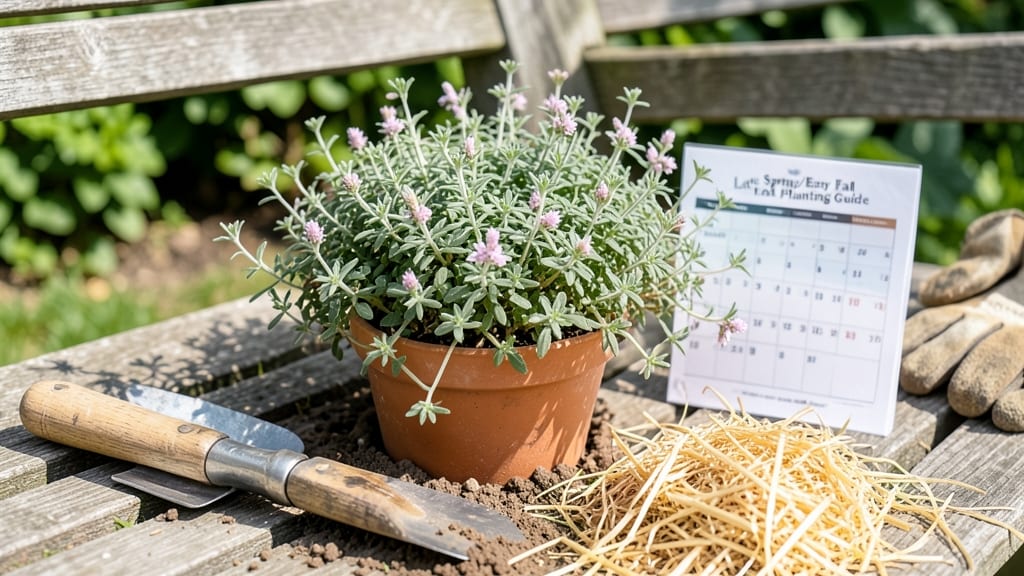
Timing your creeping thyme 🌿 planting in Colorado can mean the difference between fragrant ground cover and a frost-killed disappointment. With USDA zones 5-7 and unpredictable mountain weather, getting those roots established at the right moment is everything.
Most gardeners swear by early spring planting—after that last frost date in March or April—but fall can actually work better in Colorado’s drier climates. The key is understanding how elevation affects frost dates and soil warmth, so you’re not left scrambling when temperatures drop unexpectedly.
In this guide, I’ll break down the exact planting windows for your region, whether you’re in the Front Range or the high country. You’ll learn how to prep your soil, choose the perfect spot, and avoid common mistakes that kill creeping thyme before it even takes hold.
Ready to grow a low-maintenance, drought-resistant carpet of thyme that thrives year after year? Let’s get started with the timing that works for Colorado’s unique growing seasons.
Best planting times for creeping thyme in Colorado by elevation zone
Colorado’s elevation zones dramatically impact when to plant creeping thyme 🌿. At lower elevations like Denver (USDA zone 5), you’ll have a longer growing season, while mountain regions (zone 4) require earlier starts. The key is planting when soil temperatures hit 40°F (4°C) and frost risk drops below 10%.
For Front Range gardeners (Denver, Boulder, Fort Collins), aim for late March to early April in spring or mid-September to early October for fall. These windows align with average last frost dates of April 15 and first frost around October 15.
Higher elevations (6,000+ ft) need adjustments—push spring planting to May and fall to August.
Creeping thyme thrives in well-draining soil with full sun exposure. Colorado’s alkaline soils often need amendments like sand or compost to improve drainage. Test your soil’s pH (ideal range: 6.0-7.0) before planting, as thyme struggles in heavy, compacted soils common in mountain regions.
Here’s how elevation affects your planting timeline:
| Elevation Zone | USDA Zone | Spring Planting Window | Fall Planting Window | Soil Temp Threshold |
|---|---|---|---|---|
| Front Range (Denver, Boulder) | 5-6 | Late March–Early April | Mid-September–Early October | 40°F (4°C) |
| Foothills (6,000–7,500 ft) | 4-5 | May (after frost risk) | August (6 weeks before frost) | 45°F (7°C) |
| Mountain Regions (7,500+ ft) | 4 | June (soil must warm) | July (short window) | 50°F (10°C) |
Colorado’s microclimates can shift frost dates by weeks. Check your local CoCoRaHS station or Colorado Climate Center for real-time data. For example, Grand Junction (zone 6) can plant in February, while Aspen (zone 4) waits until June.
If planting in fall, prioritize regions with dry climates like the Western Slope. Moisture retention is critical—thyme roots rot in soggy soil. Mulch with gravel or straw to prevent winter moisture buildup. In spring, avoid planting until soil is workable (not muddy) to prevent root damage.
Pro tip: Use black plastic mulch in early spring to warm soil faster. Remove it 2 weeks before planting to avoid overheating roots. This trick adds 1-2 weeks to your planting window in cooler zones like Fort Collins.
For container gardening, plant anytime soil temps are stable (above 40°F). Containers warm faster than ground soil, giving you a 2-week head start in early spring or a 3-week extension in fall.
Always harden off nursery plants for 7-10 days before transplanting. Colorado’s dry winds and temperature swings stress young thyme. Acclimate plants gradually to outdoor conditions to boost survival rates.
Spring vs. fall planting: which works better for Colorado climates?
Choosing between spring and fall planting for creeping thyme in Colorado depends on your local climate and soil conditions. While spring planting (March-April) aligns with Colorado’s natural growing season, fall (September-October) often yields better survival rates in dry regions like the Western Slope.
The key difference? Moisture retention in fall and weed competition in spring.
Spring planting gives thyme a longer growing season to establish roots before winter. However, Colorado’s unpredictable late frosts (especially in zones 4-5) can damage young plants.
Fall planting, on the other hand, allows roots to settle without summer heat stress, and thyme’s drought tolerance makes it ideal for Colorado’s dry autumns.
Here’s how each season stacks up for Colorado gardeners:
Spring Planting
- ✅ Longer growth before winter
- ✅ Easier weed control (weeds germinate later)
- ✅ Warmer soil speeds root establishment
Fall Planting
- ✅ Lower water needs (cooler temps reduce evaporation)
- ✅ Fewer pests (aphids, spider mites decline in fall)
- ✅ Established roots before winter dormancy
Cons
- ❌ Late frost risk (especially in zones 4-5)
- ❌ Competition with weeds (spring weeds germinate early)
- ❌ Drier soil in early spring (may need irrigation)
Cons
- ❌ Shorter growing window before frost
- ❌ Moisture retention challenges (thyme hates soggy soil)
- ❌ Limited time to correct planting mistakes
For Front Range gardeners (Denver, Boulder), spring planting in late March-April works best because the growing season is longer. However, if you’re in drier climates like Grand Junction or Pueblo, fall planting in September-October reduces watering needs and avoids summer heat stress.
My top recommendation for Colorado? Plant in fall if you’re in zones 4-5 (mountain regions) and in spring for zones 6-7 (Front Range). The exception? If you’re using container gardening, spring planting gives you the most flexibility to adjust soil conditions and protect plants from frost.
One critical tip: If planting in fall, choose a south-facing slope to maximize winter sunlight. This extra warmth can extend your thyme’s growing season by 2-3 weeks in early spring. Just avoid low-lying areas where cold air pools—thyme won’t survive prolonged freezing.
For container growers, fall planting is easier because you can move pots to a protected location (like a garage or shed) if frost threatens. This flexibility makes fall my preferred method for urban Colorado gardens where space is limited.