
Plants
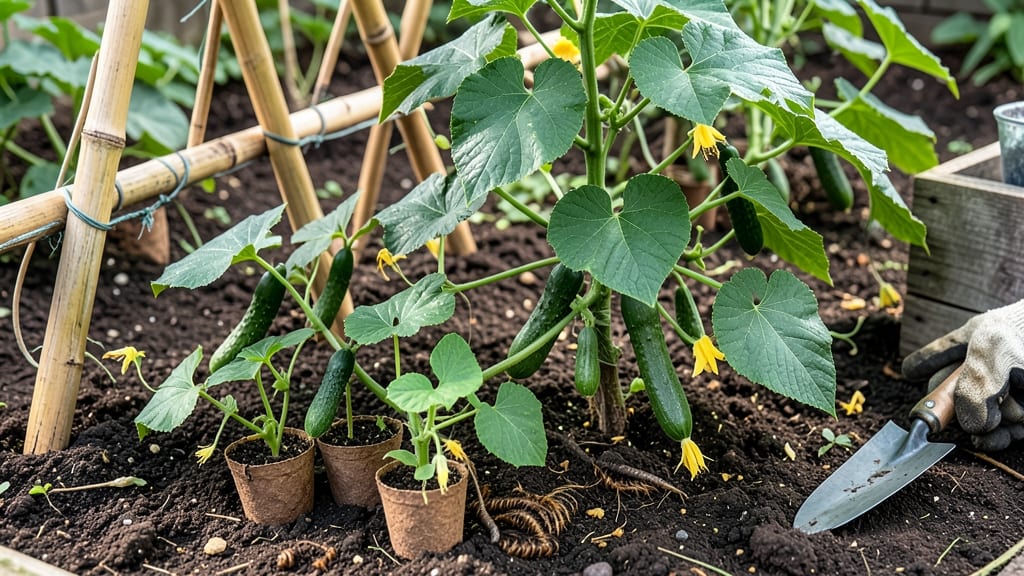
If you’ve ever wondered when to plant cucumbers in Mississippi—or why your neighbors’ vines are thriving while yours bolt to seed before yielding a single fruit—timing is the missing puzzle piece.
Planting cucumbers in Mississippi isn’t just about sticking seeds in the dirt; it’s about syncing with the state’s 215 frost-free days, soil temperatures that hit 60°F+, and regional quirks like the Delta’s brutal summer heat or the Gulf Coast’s lingering warmth.
Mississippi’s climate gives gardeners a longer-than-average window to grow cucumbers—from mid-March in the south to late July for fall plantings—but getting the dates wrong can mean the difference between a bumper crop and a sad, wilted vine.
Whether you’re in USDA Zone 8a or pushing the limits in cooler northern counties, I’ll break down the exact planting windows, soil prep tricks, and even how to cheat the heat for a second harvest.
You’ll discover how to adjust for Mississippi’s microclimates—like using black plastic mulch to warm soil faster in the Delta or timing fall plantings to avoid early frost in the hills.
Plus, I’ll share the top heat-tolerant varieties that thrive when others fail, so you can keep picking cucumbers well into November.
Ready to turn your garden into a cucumber powerhouse? Let’s dive into the county-specific dates and pro tips that’ll have your vines producing until the first frost—no guesswork, just results.
Mississippi county planting zones: best dates by region for cucumber success
Mississippi’s three distinct climate regions—Delta, Central, and Coastal—each demand different cucumber planting strategies. The USDA hardiness zones 7a-8b across the state mean frost dates vary by 3-4 weeks, so timing is critical.
For example, North Mississippi counties like Panola and Tate face later last-frost dates (March 25-April 5) compared to Gulf Coast areas like Harrison and Jackson (February 15-March 10).
Cucumbers thrive when soil temperatures hit at least 60°F, which typically occurs 2-4 weeks after your region’s last frost. In North Mississippi, this means waiting until mid-April, while South Mississippi gardeners can start as early as late February.
Direct seeding is best for warm-season crops like cucumbers, but transplants can give you a 2-week head start if you harden them properly.
Here’s how Mississippi’s three main regions break down for cucumber planting success:
For fall planting, aim to sow seeds 90-100 days before your region’s first frost. In North Mississippi, this means late July to early August, while South Mississippi can extend planting until mid-August.
Use fast-maturing varieties like ‘Southern Sweet 100’ to ensure harvests before cold weather sets in.
Mississippi State University Extension recommends testing soil pH (6.0-6.8) and adding compost before planting. Organic matter improves drainage, which is critical in clay-heavy Delta soils or sandy Gulf Coast areas.
Amend with aged compost or well-rotted manure 2-3 weeks before sowing to give microbes time to break it down.
If you’re in a high-heat zone like Yazoo City, start seeds indoors 4-6 weeks before your target outdoor date. Transplant seedlings outdoors after hardening them for 7-10 days under shade cloth. This method helps beat the heat and gives vines a head start before summer’s intensity peaks.
Pro tip: Mark your calendar for Mississippi’s average last frost dates—but always check the Mississippi Weather and Climate Center for weekly updates. A late frost can wipe out young seedlings in minutes, so don’t rush planting.
Patience pays off with bigger, healthier cucumbers and a longer harvest season.
For gardeners in flood-prone areas like Tunica or Greenville, choose raised beds or mounds to improve drainage. Elevate soil 6-12 inches above ground level and mix in sand or perlite to prevent waterlogging, which can cause root rot and stunted growth.
How to adjust cucumber planting dates for Mississippi’s microclimates
Mississippi’s diverse landscapes—from the steamy Delta to the coastal breezes of the Gulf—mean your cucumber planting dates should shift based on your exact location. Urban gardens in Jackson face different risks than rural fields in Tunica, where late frosts can linger. I’ll show you how to tweak your schedule for heat pockets, flood-prone zones, and urban heat islands to protect your crop. For areas like Yazoo City, where summer temperatures soar above 95°F, start seedlings indoors 4-6 weeks before your target outdoor date. Use shade cloth to prevent heat stress once plants hit the garden. In flood-prone regions like Tunica, elevate beds or plant on mounds to avoid waterlogged roots—delay planting until after May 15 when soil temperatures stabilize above 65°F. Urban gardeners in North Mississippi (e.g., Oxford) should plant 2 weeks later than rural areas due to slower soil warming. Use black plastic mulch to raise soil temps by 5-10°F faster. If you’re in the Gulf Coast region (e.g., Biloxi), you can push fall plantings into late August for a harvest before the first frost, but monitor hurricane forecasts—secure trellises early!- Start seedlings indoors by March 1 for outdoor transplanting April 15.
- Use 50% shade cloth during 100°F+ days to prevent wilting.
- Plant bush varieties (e.g., ‘Bush Champion’) to reduce heat stress.
- Delay planting until after May 15 when soil temps hit 65°F+.
- Elevate beds or use raised containers to avoid waterlogging.
- Choose disease-resistant varieties like ‘Southern Sweet 100’.
- Plant 2 weeks later than rural areas (e.g., April 30 instead of April 15).
- Use black plastic mulch to warm soil 5-10°F faster.
- Water deeply at dawn to combat evaporation.
If frost is forecasted after your planting date, cover seedlings with frost cloth or a clear plastic tunnel. Remove covers by 10 AM to prevent overheating.