
Plants
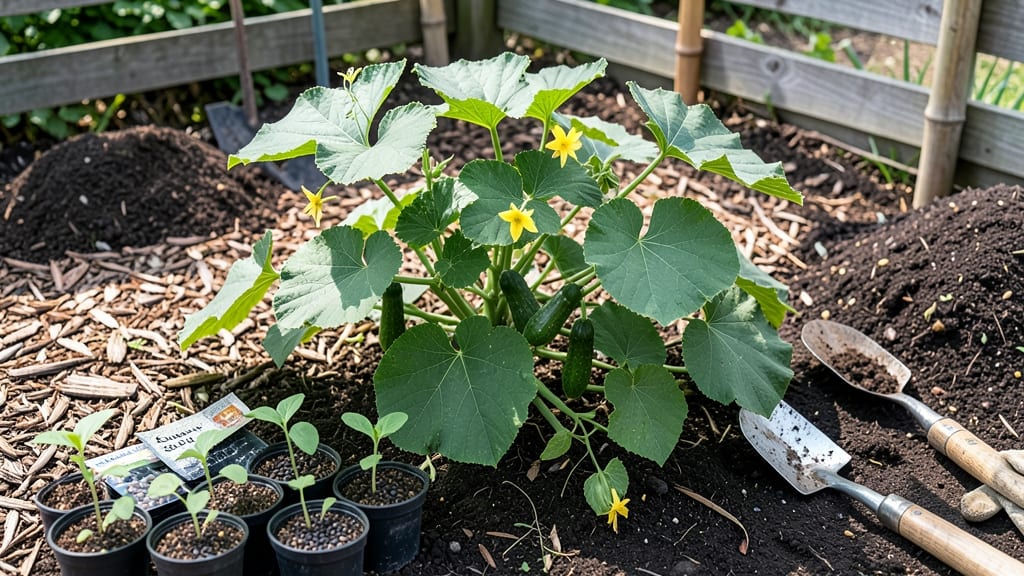
Timing your cucumber planting in North Carolina could mean the difference between a thriving 🥒 harvest and disappointed vines. With frost dates shifting from the mountains to the coast, getting the window right is everything—especially when warm soil temperatures are critical for germination.
I’ve watched too many gardeners rush their cucumbers into cold ground, only to see their seeds rot or seedlings wilt. The key is knowing your county’s last frost date and waiting until the soil hits at least 60°F—that’s when these heat-loving plants finally take off.
Whether you’re in Raleigh’s Piedmont or Asheville’s high country, the perfect moment arrives just as spring’s chill gives way to summer’s warmth.
But here’s the twist: early varieties can go in as soon as late April in the Coastal Plain, while mountain gardeners might wait until early June.
I’ll break down exactly when to plant—plus how to stretch your season with row covers or choose heat-tolerant varieties that won’t bolt in NC’s unpredictable weather.
Ready to grow cucumbers that actually produce? Let’s dive into the frost-free deadlines, soil prep secrets, and variety picks that’ll turn your garden into a 🥒 powerhouse this season.
North Carolina cucumber planting dates by heat zone and last frost dates
North Carolina's diverse climate—from the Coastal Plain to the Mountains—means last frost dates can vary by 6+ weeks. Cucumbers (Cucumis sativus) thrive when soil reaches 60°F+, so timing your plantings to these heat zones is critical.
Below, I’ve broken down the ideal planting windows for NC’s USDA Zones 5-8, using data from NC State Extension.
For Coastal Plain counties (e.g., Wilmington, Fayetteville), zone 8a-8b, your last frost typically falls between March 15–April 15. This means you can direct-sow seeds as early as mid-April or transplant seedlings by late March if using row covers for frost protection.
In the Piedmont (e.g., Raleigh, Greensboro), zone 7a-7bApril 1–April 15. Aim to plant cucumbers after April 15, once soil warms to 65°F+. For early varieties, start seeds indoors 3–4 weeks before your last frost date.
The Mountains (e.g., Asheville, Boone, zone 6a-7a) have later frosts, often May 1–May 15. Wait until after May 15 to plant, as cold soil slows germination. If you’re eager for an early harvest, use black plastic mulch to warm the soil faster.
Here’s a quick reference for soil temperature and planting readiness across NC’s regions:
For direct sowing, cucumbers germinate best in 70–90°F soil. In cooler zones like the Mountains, consider starter plants from nurseries to skip the slow germination phase. Pro tip: Use a soil thermometer to confirm readiness—cold soil delays growth and increases disease risk.
If you’re in a transition zone (e.g., Charlotte, Durham), err on the side of planting later. A few extra weeks of warm soil pays off with healthier vines and fewer pests.
I’ve had the best success in these areas by waiting until May 1, even if it means a slightly later harvest.
For fall harvests, plant heat-tolerant varieties like 'Southern Sweet 100' in late July (Coastal Plain) or early August (Piedmont). These cucumbers mature quickly (50–60 days) and thrive in warm fall temperatures before the first frost hits.
Always check your local county extension office for microclimate adjustments—some years, a late frost can push your planting window back by 2+ weeks. For example, Asheville saw a May frost in 2020, so gardeners there delayed plantings until June 1 that year.
Ready to plant? Grab your garden journal and mark these dates—consistency is key to a reliable cucumber harvest in NC’s unpredictable climate. 🥒
How to adjust planting timing for early vs. late varieties in NC
North Carolina’s varied climate means you can grow cucumbers in two distinct seasons—spring and fall—if you choose the right varieties. Early varieties like 'Straight Eight' thrive when planted 2-3 weeks before your last frost date, while late-season varieties such as 'Marketmore 76' can handle summer heat and even extend into fall harvests in warmer counties like Wake or Johnston.
For spring planting, start seeds indoors 3-4 weeks before your last frost date, then transplant seedlings when soil reaches 60°F+.
In cooler mountain regions like Asheville (Zone 7), this might mean waiting until mid-April, while coastal areas like Wilmington (Zone 8) can start as early as mid-March. Use row covers to protect tender seedlings from late frosts.
If you’re aiming for a fall harvest, focus on heat-tolerant varieties like 'Lemon Cucumber' or 'Suyo Long'. Plant these 60-70 days before your first frost date—typically late July to early August for most of NC. This timing ensures cucumbers mature before cooler weather sets in.
Early vs. Late Varieties: NC Planting Guide
| Variety Type | Best Planting Time | Days to Harvest | NC Regions Suited |
|---|---|---|---|
| Early Varieties | 2-3 weeks before last frost | 50-60 days | Piedmont, Coastal Plain |
| Late Varieties | 60-70 days before first frost | 65-75 days | Mountains, Piedmont |
| Heat-Tolerant | Late June to July | 70-80 days | Coastal Plain, Sandhills |
*Use row covers for early starts in cooler zones.
Bush cucumbers, like 'Bush Champion', are ideal for small gardens or containers and can be planted slightly later than vining types.
They mature faster (50-55 days) and thrive in warmer soil, making them perfect for late spring or early summer plantings in NC’s Zone 7 and 8 areas.
For succession planting, sow new seeds every 2 weeks after your initial planting. This ensures a continuous harvest and maximizes your garden space. In humid Coastal Plain regions, prioritize disease-resistant varieties like 'Diva' or 'Sweet Success' to avoid powdery mildew.
Pro tip: If you’re in a transitional zone like the Piedmont, test soil temperature with a soil thermometer—cucumbers won’t germinate well below 60°F. Wait for consistent warmth to avoid stunted growth.