
Plants
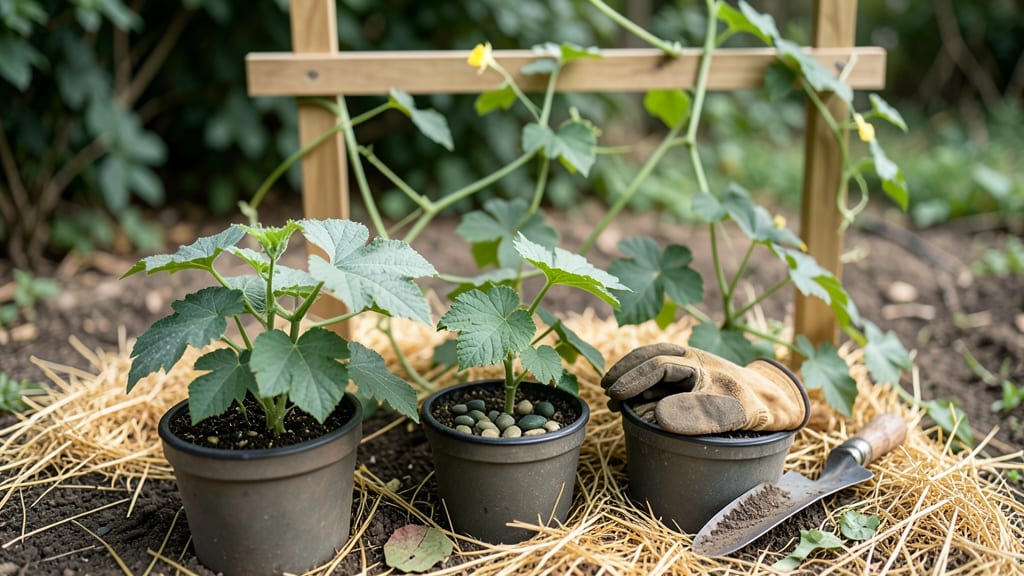
Planting cucumbers 🥒 in Zone 6 at the wrong time means either frost-nuked seedlings or a summer harvest that never arrives. The key to success lies in waiting for that sweet spot between the last frost and scorching summer heat—typically mid-to-late May when soil temperatures hit 60°F or warmer.
If you rush it, those tender 🥒 sprouts will wilt overnight. But timing it right ensures vines take off fast, giving you crisp, homegrown cucumbers by July. I’ve learned the hard way that patience here pays off—no one wants to wait until August for their first harvest!
For beginners, this means checking your local frost dates (usually mid-April in Zone 6) and adding 2-3 weeks of buffer time. Experienced gardeners know to monitor soil warmth with a thermometer or even the back of your hand—if it’s lukewarm, it’s ready.
Once you’ve nailed the window, we’ll cover how to extend your season with row covers or succession planting—because why stop at one harvest when you can have two? Let’s get those cucumbers growing like they’re racing toward your salad bowl.
Zone 6 cucumber planting timeline: frost dates & soil temperature rules
Cucumbers thrive in Zone 6 when planted after the last frost date, but timing varies by northern vs. southern regions. In most of Zone 6, the last frost date falls between mid-April and late May, but soil warmth matters more than air temperature.
Your cucumbers need soil that's consistently 60°F or warmer—cold soil stunts growth and delays harvests.
For northern Zone 6 (e.g., Chicago, Detroit), aim for late May planting when soil warms up. In southern Zone 6 (e.g., Atlanta, Nashville), you can start as early as mid-April, but always confirm with your local frost-free date.
Use a soil thermometer to test—it’s the most accurate way to know when it’s safe to plant.
Here’s the key: Heat-loving varieties like ‘Straight Eight’ or ‘Marketmore 76’ need warm soil, while cooler-tolerant types like ‘Northern Pickling’ can handle slightly cooler conditions. If you’re unsure, opt for bush varieties—they mature faster and tolerate cooler soil better.
🌱
| Zone 6 Region | Last Frost Date | Ideal Planting Window | Soil Temp Threshold |
|---|---|---|---|
| Northern Zone 6 (6a) | Mid-to-late May | Late May–early June | 60°F+ (use black plastic mulch) |
| Southern Zone 6 (6b) | Mid-April–early May | Mid-April–late May | 55°F+ (sooner for cool varieties) |
| All Zone 6 | N/A (varies yearly) | After last frost + soil test | 60°F+ (critical for germination) |
🌡️ Pro Tip: Use a soil thermometer—wait until readings hit 60°F+ for 3+ days.
If you’re transplanting seedlings instead of direct-sowing, start them indoors 4–6 weeks before your last frost date. Seedlings need warmth and light to thrive—place them near a south-facing window or under grow lights for 12–14 hours daily. Harden them off for 7–10 days before transplanting after the frost risk passes.
For fall harvests, try succession planting in early July—this gives cucumbers enough time to mature before the first frost in October. Choose fast-maturing varieties like ‘Bush Champion’ (ready in 50 days) to maximize your yield.
Black plastic mulch is a game-changer in Zone 6. It warms soil 5–10°F faster than bare ground, letting you plant 2–3 weeks earlier. Just lay it down 1–2 weeks before planting and cut small holes for seeds or seedlings. This trick extends your growing season and boosts early yields.
💧
Don’t fall for the myth that cucumbers can handle cool soil. Even if air temperatures are warm, cold soil (below 55°F) causes seeds to rot or seedlings to wilt.
Test your soil with a thermometer—if it’s cooler than 60°F, wait a few more days. Patience now means bigger harvests later.
5 Signs your Zone 6 soil is ready for cucumber seeds (and 3 mistakes to avoid)
Cucumbers thrive when planted in warm, well-prepared soil—but rushing the process can lead to stunted growth or disease. In Zone 6, soil temperature is your best indicator of readiness. Aim for 60°F+ at least 6 inches deep, which typically aligns with late April to May after the last frost.
Test with a soil thermometer or the elbow test: press your arm into the soil for 10 seconds—if it feels warm (not hot), your cucumbers are ready!
Another key sign is soil moisture consistency. Well-draining soil that stays lightly damp (like a wrung-out sponge) prevents rot while keeping roots hydrated. If your soil feels dry or compacted, amend it with compost or aged manure 1-2 weeks before planting. This boosts fertility without overwhelming tender seedlings.
🌱
| Sign | What to Look For | Action |
|---|---|---|
| Soil Temperature | 60°F+ at 6" depth | Use black plastic mulch to warm soil faster |
| Moisture Level | Lightly damp (not soggy) | Add compost if dry or clay-heavy |
| Weed Activity | Weeds sprouting actively | Clear weeds to reduce competition |
| Seedling Viability | Seeds sprout in 7-10 days | Direct-sow after last frost |
| Pest Activity | No slugs/snails present | Set traps or use diatomaceous earth |
Avoid these 3 common mistakes that sabotage cucumber growth in Zone 6: planting too early (before soil warms), overcrowding seeds (keep 12-24 inches apart), or skipping mulch (which conserves moisture and deters weeds).
If you’re transplanting seedlings, harden them off for 7-10 days by gradually exposing them to outdoor conditions during the day.
For direct sowing, plant seeds ½ inch deep in hills (3 seeds per mound, 3 feet apart). This method speeds up germination and reduces transplant shock. If your season is short, opt for bush varieties like ‘Bush Champion’—they mature faster and produce in tighter spaces.
🌿
Finally, watch for yellowing leaves, which may signal overwatering or nutrient deficiency. Adjust care by watering deeply but less frequently (1-2 inches per week) and side-dressing with compost mid-season. With these checks in place, your cucumbers will thrive from seed to harvest in 50-70 days!