
Plants
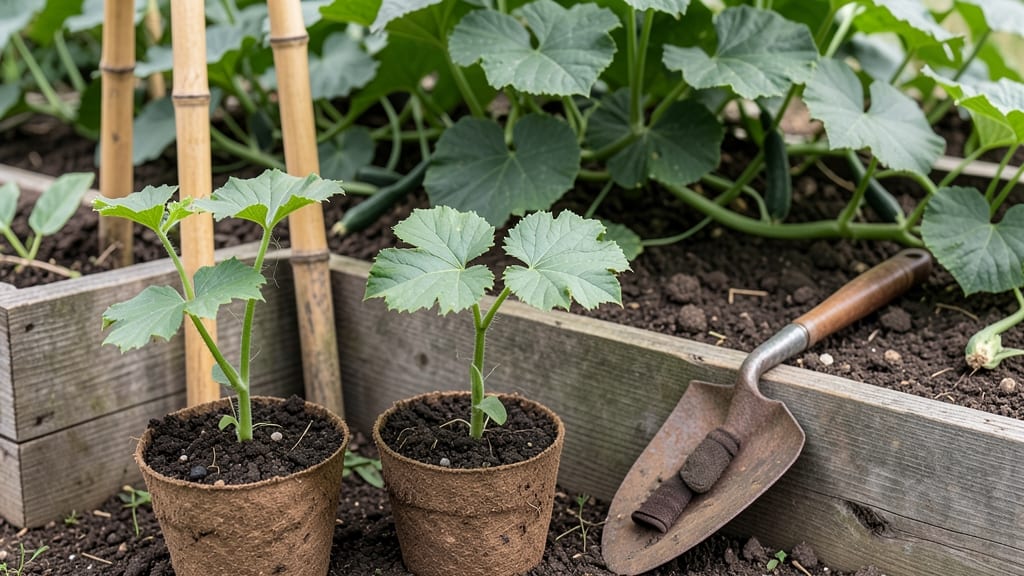
Planting cucumbers in Zone 7b at the wrong time can mean the difference between a bountiful harvest and watching your vines wither in the heat.
The key isn't just about avoiding frost—it's about syncing your planting with soil warmth and heat tolerance, especially when aiming for that late-season goldmine of crisp, homegrown 🥒.
Most gardeners in Zone 7b reach for their seeds between mid-April and mid-May, but that’s just the start. If you’re eyeing a fall harvest, you’ll want to shift your timing to July or August, when the soil finally warms up enough to support those heat-loving varieties.
The trick? Paying attention to soil temperature—cucumbers need at least 60°F to thrive—and knowing which varieties can handle Zone 7b’s late-summer swelter.
I’ve learned the hard way that rushing cucumbers into cold soil or planting too late can leave you with bitter fruit or no fruit at all.
But with the right prep—like black plastic mulch to speed up soil warming and heat-tolerant picks like 'Straight Eight'—you can stretch your harvest well into October.
Let’s break down exactly when to plant, what to look for in your soil, and how to pick the perfect variety for your Zone 7b garden.
Whether you’re a first-time grower or a seasoned pro, getting the timing right is half the battle.
By the end of this guide, you’ll know not just when to plant, but how to set your cucumbers up for success—so you’re feasting on fresh 🥒 long after your neighbors’ gardens have gone quiet.
Optimal planting windows for cucumbers in Zone 7B (with frost & heat tolerance guidelines)
In Zone 7B, cucumbers thrive when planted after the last frost date (typically around April 15) and before summer’s intense heat peaks. The ideal window spans April 15 to May 15 for spring harvests or July 1 to August 1 for fall production.
This timing ensures vines establish roots before 90°F+ temperatures stress young plants.
Cucumbers need soil temperatures above 60°F to germinate properly. Use a soil thermometer to confirm readiness—cold soil delays sprouting and weakens seedlings. In Zone 7B’s microclimates, urban areas may warm faster than rural spots, so adjust planting dates accordingly.
Direct sowing is preferred over transplanting to avoid root shock. Plant seeds ½ inch deep in hills (3 seeds per mound) with 3–4 feet between rows. For late-season planting, opt for heat-tolerant varieties like 'Straight Eight' or 'Marketmore' to extend harvests into October.
| Stage | Action | Notes |
|---|---|---|
| Pre-Planting | Test soil pH (6.0–6.8) | Amend with compost if needed |
| Spring Planting | Sow seeds after April 15 | Use black plastic mulch to warm soil |
| Summer Heat | Provide afternoon shade | Water deeply at soil level |
| Fall Planting | Sow July 1–August 1 | Choose parthenocarpic varieties |
| Harvest Window | June–August (spring) or Sept–Oct (fall) | Pick every 2–3 days for continuous yield |
For early planting, use row covers to protect seedlings from late frosts. Remove covers once vines reach 6 inches tall to prevent overheating. In Zone 7B’s shorter growing seasons, prioritize fast-maturing varieties (e.g., 'Bush Champion') to maximize harvests before first frost (around November 15).
Adjust planting dates based on your local microclimate. Urban gardens may experience heat islands, delaying spring planting by 1–2 weeks. Conversely, elevated areas cool faster, allowing earlier starts. Monitor 7-day forecasts for heatwaves—delay planting if 90°F+ temps are predicted for 5+ days.
Soil preparation is critical. Work in 2–3 inches of compost and 1 cup of 5-10-10 fertilizer per 10 sq ft before planting. Cucumbers are heavy feeders, so side-dress with compost tea every 4–6 weeks to sustain growth. Mulch with straw or grass clippings to retain moisture and suppress weeds.
If you miss the spring window, don’t despair—fall planting can yield cucumbers until October. Start seeds indoors 6–8 weeks before July 1 for transplants, or direct-sow outdoors. Use parthenocarpic varieties (like 'Diva') to avoid relying on bee pollination in late summer when pollinators are scarce.
For container gardening, choose bush varieties (e.g., 'Spacemaster') and plant in 5-gallon pots with well-draining mix. Containers warm faster, so plant 1–2 weeks later than ground planting. Water containers daily in summer to prevent wilting.
Pro tip: Trellis cucumbers to improve airflow and reduce disease risk. This also saves space and makes harvesting easier. Use galvanized wire or bamboo stakes and train vines with soft ties. In Zone 7B’s humidity, trellising cuts down on powdery mildew by keeping foliage dry.
Optimal planting windows for cucumbers in Zone 7B (with frost & heat tolerance guidelines)
In Zone 7B, cucumbers thrive when planted after the last frost date—typically around April 15 to May 15. But timing isn’t just about frost; soil temperature matters too.
Cucumbers need warm soil (60°F+) to germinate, so wait until the ground warms up, even if air temperatures are mild. This usually aligns with late April to early May in most of Zone 7B.
For a fall harvest, aim for July 1 to August 1 planting. This second window lets you enjoy cucumbers when summer heat peaks, but choose heat-tolerant varieties to avoid bitter fruit.
Microclimates—like urban areas or south-facing slopes—can shift these dates by 1-2 weeks, so observe your garden’s specific conditions.
Direct sowing is best for cucumbers in Zone 7B. Transplants struggle with root shock, and cucumbers dislike being moved. Plant seeds ½ inch deep, spacing them 12-24 inches apart for vining types or 6-12 inches apart for bush varieties. If frost lingers, use row covers to protect young plants until soil warms.
| Stage | Action | Notes |
|---|---|---|
| Soil Prep | Test pH (6.0-6.8), amend with compost | Use black plastic mulch to warm soil faster |
| Spring Planting | Direct sow after April 15, soil 60°F+ | Choose early varieties (e.g., 'Straight Eight') |
| Fall Planting | Direct sow July 1-August 1 for late harvest | Select heat-tolerant varieties (e.g., 'Lemon Cucumber') |
| Heat Threshold | Avoid planting when temps exceed 90°F | Use shade cloth if summer heat arrives early |
If you’re in a microclimate with later frosts (like higher elevations), delay planting until May 1 or later. Conversely, urban areas with heat islands may need earlier starts—watch for soil warmth, not just air temperature.
For containers, use black pots to absorb heat and extend the growing season by 2-3 weeks.
Monitor weather forecasts for late frosts in May, especially in Zone 7B’s northern edges. A 10-day forecast of stable 50°F+ nights is ideal before planting. If frost threatens, cover plants with frost cloth or row covers until danger passes.
This simple step can save your entire crop from cold damage.
Remember, succession planting every 2 weeks after your initial date ensures a steady harvest. Whether you’re growing for fresh eating or pickling, staggered plantings mean continuous cucumbers from June through October in Zone 7B. The key? Stay ahead of heat and frost—they’re your biggest enemies.