
Plants
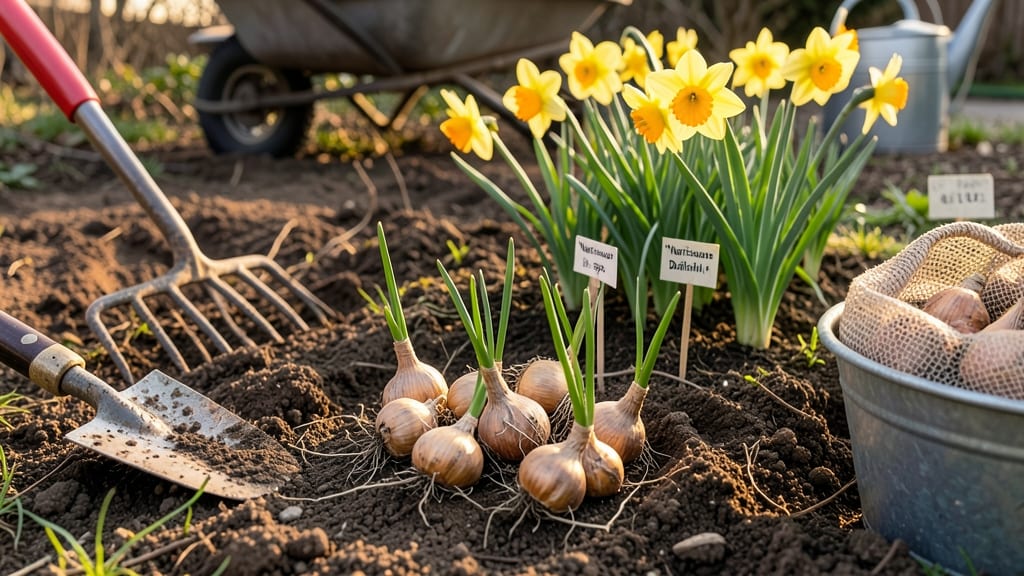
Planting daffodil bulbs in Southern California might seem tricky with its mild winters, but getting the timing right is the key to vibrant blooms that pop in spring. Unlike colder regions, you don’t need to wait for frost—just aim for the cooler months when the ground starts to cool down.
I’ve learned the hard way that planting too early or too late can mean fewer flowers or even no blooms at all. The ideal window is between October and December, when soil temps drop but before winter rains become too heavy.
This gives your 🌼 daffodils the perfect head start.
Southern California’s unique climate—especially in zones 9b-11—means you can plant daffodils almost year-round, but fall is still the best bet. I’ll walk you through the exact steps to prep your soil, choose the right spot, and avoid common mistakes that keep these cheerful blooms from thriving.
Whether you’re a first-time gardener or a seasoned pro, these tips will help you grow daffodils that stand out in your garden. Let’s make sure your bulbs get the care they need for a showstopping spring display!
Best months to plant daffodil bulbs in Southern California (with frost-zone adjustments)
Southern California’s mild winters and rare frost create a near-perfect environment for daffodils, but timing still matters. Unlike northern climates, you don’t need to rush—just plant when soil temps dip below 60°F (15°C), signaling bulbs to root before spring growth.
This usually lands in late October through December, but your exact window depends on your microclimate.
Coastal areas like San Diego and Santa Barbara can plant as late as January, thanks to ocean moderation. Inland zones (e.g., Los Angeles Basin or Riverside) should aim for November to avoid sporadic frost pockets.
Even a light freeze won’t harm established bulbs, but young roots need time to anchor before winter rains arrive.
🌼 Pro Tip: Check your USDA Zone (9b-11)—higher elevations (like Big Bear) may need earlier planting (October) to compensate for cooler nights.
Rainfall is another critical factor. Southern California’s winter rains can saturate soil, leading to bulb rot if planted too late. Aim to finish by mid-December in most areas to avoid soggy conditions.
If you miss the window, January is still viable—just amend soil with sand or grit to improve drainage.
🌱 Soil Prep Check: Use a moisture meter or dig 6 inches deep—soil should feel cool but not frozen. If it’s still warm, wait 2–3 weeks.
Daffodils thrive with 6–8 hours of sunlight daily, but in hot inland areas, afternoon shade helps prevent leaf scorch. Coastal gardens can handle full sun year-round. Avoid low-lying spots where cold air pools—daffodils hate sitting in frost pockets, even briefly.
💧 Watering Tip: After planting, give bulbs a deep watering to settle soil around roots. Then, reduce watering until January—overwatering in fall can encourage fungal growth.
For urban gardeners with limited space, container planting works beautifully. Use pots with drainage holes and a mix of 50% potting soil and 50% perlite to mimic well-draining garden beds. Place containers near south-facing walls to maximize sunlight exposure.
✂️ Post-Planting Care: Once shoots emerge in late winter, apply a balanced fertilizer (5-10-10) to encourage robust blooms. Remove faded flowers (deadheading) to redirect energy to bulb storage for next year.
Best months to plant daffodil bulbs in Southern California (with frost-zone adjustments)
Southern California’s mild winters (USDA zones 9b-11) mean you can plant daffodil bulbs later than northern gardeners—but timing still matters for vibrant spring blooms.
Unlike frost-prone regions, SoCal’s 300+ frost-free days let you plant daffodils anytime from October through December, with November being the ideal window for most areas.
Coastal regions like Malibu or San Diego can even plant into early January, while inland desert areas (e.g., Palm Springs) should plant by late November to avoid rare cold snaps.
For coastal SoCal (e.g., Santa Barbara, Ventura), aim for late October to mid-November—this gives bulbs time to root before winter rains. Inland areas like Los Angeles or Riverside can plant until early December, but avoid planting after December 15 to prevent bulb rot from heavy winter rains.
The key is planting when soil temps drop to 60-65°F, signaling bulbs to root while still allowing time for spring growth.
🌼 Southern California Daffodil Planting Timeline
| Region | Best Planting Window | Soil Temp Goal | Key Consideration |
|---|---|---|---|
| Coastal (e.g., San Diego, Santa Barbara) | Late Oct - Mid-Nov | 60-65°F | Avoid late rains; plant after first downpours |
| Inland (e.g., LA, Riverside) | Early Nov - Early Dec | 55-60°F | Watch for rare frost after Dec 15 |
| Desert (e.g., Palm Springs, Joshua Tree) | Late Oct - Late Nov | 50-55°F | Plant early to avoid cold snaps |
If you miss the ideal window, don’t panic! Daffodil bulbs are hardy and can tolerate January planting in coastal areas, though blooms may arrive slightly later.
The critical factor isn’t the calendar date but soil conditions: bulbs need 6-8 weeks of cool soil (below 65°F) to root before spring growth begins. Use a soil thermometer to check—plant when temps consistently stay below 65°F for 10+ days.
Pro tip: Adjust for microclimates. Urban areas like Downtown LA (heat island effect) may need slightly earlier planting, while coastal bluffs (e.g., Malibu) can wait until December.
Always plant 4-6 weeks before your area’s average first frost date—though in SoCal, frost is rare, so focus on soil temp over calendar dates. For high-altitude areas (e.g., Big Bear Lake), plant by October 15 to avoid frost.
After planting, mulch heavily (3-4 inches) with straw or wood chips to insulate bulbs from temperature swings and retain moisture. This is especially critical in clay-heavy soils (common in Orange County) where water pools around bulbs.
In sandy soils (e.g., San Diego), add compost to help retain moisture during dry spells. Avoid mulching with fresh grass clippings, which can mat down and suffocate emerging shoots.
Remember: Daffodils thrive on patience. While they’ll bloom in their first year, second-year plants produce 2-3x more flowers if given consistent care.
By planting in November and protecting bulbs from gopher damage (use wire mesh in high-risk areas), you’ll enjoy vibrant blooms from March through May—long after most SoCal gardens have faded. 🌼