
Plants
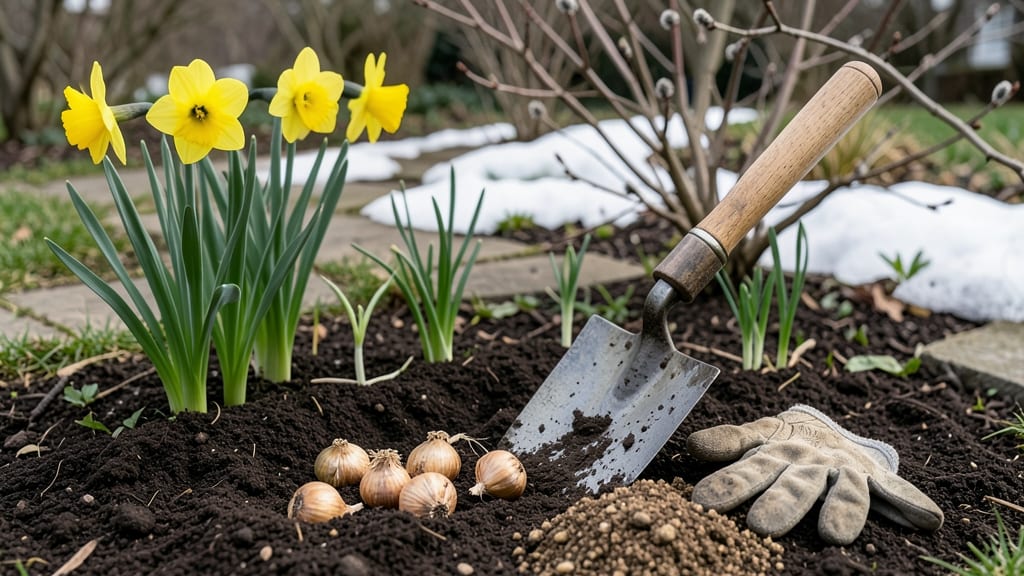
Timing your daffodil 🌼 planting in Colorado could mean the difference between a stunning spring display and a failed investment—because those bulbs need a 6-8 week window of cool soil before the ground freezes.
If you plant too early, they might sprout and get nipped by frost; too late, and they’ll miss the chill period they need to bloom.
Colorado’s elevation zones throw another curveball into the mix. What works in Denver’s Zone 5 might not apply to Aspen’s higher altitudes, where frost can arrive weeks earlier.
I’ll break down the exact planting windows for your specific area—so you can avoid the most common mistakes and get those bulbs in the ground at the perfect moment.
You’ll also discover how to adjust for Colorado’s unpredictable fall weather, from early freezes to late warmth spells. Whether you’re a first-time gardener or a seasoned pro, these tips will help you plant with confidence—no more guessing games about when to dig in those daffodil bulbs.
Let’s get those 🌼 blooms off to the right start with a foolproof timeline tailored to your corner of Colorado. Ready to turn your yard into a springtime showcase? Let’s dive in.
Colorado daffodil planting deadlines by elevation Zone (with frost risk maps)
Colorado’s elevation zones can shift daffodil planting windows by 4-6 weeks—what works in Denver may fail in Aspen. The key is understanding your last frost date and soil temperature trends.
Most Colorado gardeners aim to plant 6-8 weeks before the ground freezes, but high-altitude areas need earlier action to avoid winter kill.
For Front Range cities like Denver and Boulder (USDA Zones 5-6), your planting window runs from mid-September to early November. In mountain regions (7,000+ ft), start as early as late August—soil freezes faster at higher elevations.
The Western Slope (e.g., Grand Junction) has a slightly later window due to warmer microclimates.
Here’s how to align your planting with Colorado’s frost risk zones:
| Zone | Avg. First Frost | Ideal Planting Window | Soil Temp Goal |
|---|---|---|---|
| Front Range (Denver/Boulder) | Oct 15–Nov 1 | Mid-Sept to Oct 15 | 50–60°F |
| Mountain Regions (Aspen/Steamboat) | Sept 20–Oct 5 | Late Aug to Sept 20 | 45–55°F |
| Western Slope (Grand Junction) | Nov 1–Nov 15 | Late Sept to Nov 1 | 55–65°F |
| High Altitude (7,000+ ft) | Sept 1–Sept 15 | Late July to Aug 31 | 40–50°F |
⚠️ Pro Tip: Use a soil thermometer to confirm temps—bulbs need 40–50°F soil to root before winter.
If you miss the fall window, spring planting is possible but risky—daffodils need 6–8 weeks of fall chill to bloom. For emergency spring planting, use pre-chilled bulbs or opt for early-blooming varieties like ‘February Gold’ that tolerate shorter chill periods.
Colorado’s microclimates can create 10°F temperature swings just miles apart. Check your local CoCoRaHS weather station for hyper-local frost data. Urban areas (like Denver) often stay 5–10°F warmer than rural spots due to the heat island effect, delaying frost by 1–2 weeks.
For container gardening in Colorado, plant daffodils 2–4 weeks earlier than in-ground bulbs—pots cool faster and are more vulnerable to frost. Use black plastic containers to absorb heat and extend your planting window by 7–10 days.
Always plant daffodils 6 inches deep and 6 inches apart for optimal airflow. In sandy soils (common in Western Slope), add compost to retain moisture; in clay soils (Front Range), amend with sand to prevent waterlogging.
After planting, apply a 2–3 inch layer of mulch (straw or shredded leaves) to insulate bulbs. In Zone 5 areas, this can push your planting window 10 days later by delaying frost penetration.
Watch for early freezes in October—if temps drop below 32°F before bulbs root, they’ll rot. Use row covers or burlap wraps for newly planted bulbs in high-risk zones like the San Luis Valley.
🌼
How to adjust planting for Colorado’s unpredictable fall weather patterns
Colorado’s fall weather can be as unpredictable as a mountain storm—one day it’s warm enough to wear shorts, and the next, you’re shoveling snow. For daffodil bulbs, this means soil temperatures can fluctuate wildly, making timing tricky.
If you plant too early, those bulbs might sprout before the ground freezes, only to get killed by an early frost. Too late, and they won’t get the 6-8 weeks of chill they need to bloom properly next spring.
The key is understanding your local microclimate. Urban areas like Denver often stay warmer longer, while high-altitude spots like Estes Park or Leadville can see frost as early as September 15th.
Even within the same city, neighborhoods can vary by weeks. I’ll show you how to read the signs and adjust your planting schedule accordingly.
First, check your soil temperature with a simple soil thermometer—aim for 50-60°F (10-15°C) at a depth of 4-6 inches. If your soil is still warm, hold off on planting.
For areas above 7,000 feet, like the Rocky Mountain National Park region, you might need to plant as early as late August to avoid frost. In lower elevations, like the Western Slope, you can often wait until mid-October.
🌱 Pro Tip: Use a mulch blanket of straw or shredded leaves to insulate bulbs once planted. This adds a 5-10°F buffer against early freezes, giving you a little more flexibility with timing. Just make sure to leave the mulch loose so water can still penetrate the soil.
3-Step Risk Assessment for Colorado Gardeners
- 🌡️ Check soil temps with a thermometer—plant when it’s consistently 50-60°F at 4-6 inches deep.
- ⏰ Count back 6-8 weeks from your area’s average first frost date (use the table below for your zone).
- 🌬️ Monitor weather forecasts for extended warm spells—if temps rise above 70°F, bulbs may sprout prematurely.
If you’re in a transition zone (like the Front Range foothills), consider planting in phases. Start with a few bulbs in early September, then add more in October if the weather cooperates. This spreads out your risk and ensures you’ll have blooms regardless of when frost hits.
For high-altitude gardens, like those in Zone 4 or 5, prioritize cold-hardy varieties like ‘Ice Follies’ or ‘Thunderbolt’—they’ll handle the chill better than delicate hybrids.
Finally, keep an eye on the moon phase if you’re planting in late fall. Some gardeners swear by planting bulbs during a waning moon to encourage deeper root growth before winter.
While science isn’t definitive, it’s a low-risk trick worth trying if you’re planting near the frost deadline. Just remember: timing beats tradition when it comes to daffodils in Colorado.
🌿 With these adjustments, you’ll beat Colorado’s unpredictable fall weather—and wake up to a garden bursting with daffodil blooms next spring.